
Electric ducted fan (EDF) RC jet sizes typically range from 64mm to 90mm, with that number representing the inner diameter of the fan unit rather than the fuselage length. A larger fan unit generates more thrust and handles wind better but increases all-up weight, demanding refined piloting skills. Matching fan size to your current flight experience and field dimensions is essential for long-term success.
What EDF Size Means on an RC Jet
The fan diameter measured in millimeters defines an EDF jet's size class, not its wingspan or nose-to-tail length. A 64mm jet houses a compact 64mm impeller, whereas a 90mm airframe accommodates a much larger rotor that displaces significantly more air volume to produce higher static thrust.
Fan Diameter and Power Demand
A larger fan diameter requires a higher-kv or higher-torque brushless motor paired with a heavy-duty electronic speed controller (ESC). As fan dimensions increase, overall electronic component specifications scale up accordingly. The thrust-to-weight ratio must be calculated carefully, as bigger fans must propel significantly heavier composite or EPO foam structures.
Battery, Weight, and Airframe Size
Fan diameter, flying weight, and battery configurations scale simultaneously across any comprehensive RC EDF jet lineup. Most 64mm models fly on 4S LiPo batteries, while 70mm, 80mm, and 90mm jets generally require 6S or even 8S packs to deliver sufficient voltage and flight duration without over-stressing the power system.
Why Bigger Does Not Always Mean Easier
While larger EDF jets track smoother through turbulence due to higher inertia, they feature elevated stall speeds and minimal glide ratios. The primary challenge lies in executing controlled takeoffs and landings, where higher approach speeds and narrow flare margins demand precise airspeed management.
64mm EDF Jets Are Compact but Quick
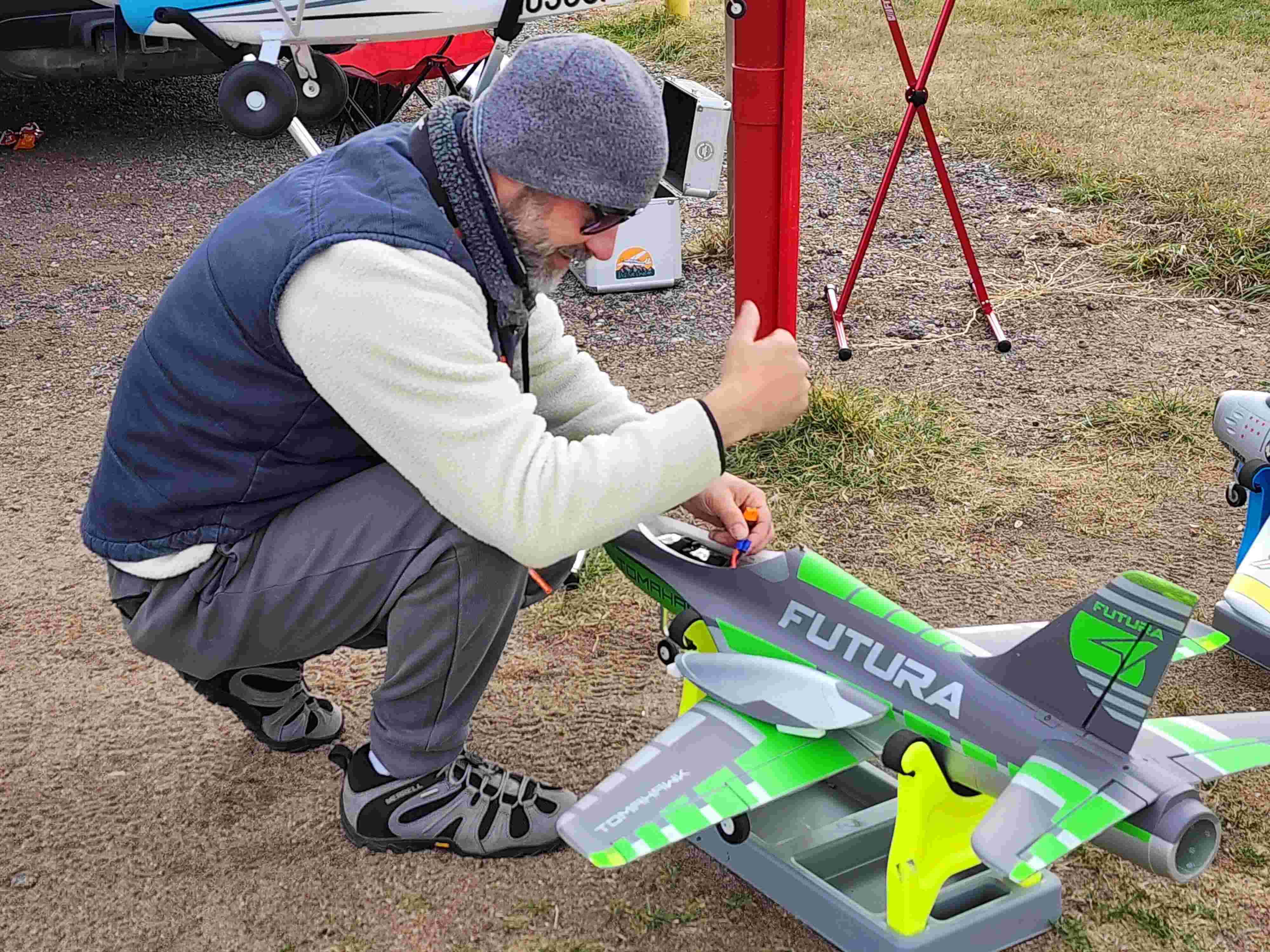
A 64mm EDF jet represents the most portable and economical entry point into turbine-style flight. Its compact footprint enables easy transport without compromising high-speed performance.
Easy Transport and Lower Battery Cost
Most 64mm jets utilize common 4S 2200mAh to 2600mAh batteries, significantly reducing replacement costs compared to multi-cell high-capacity packs. The airframe fits fully assembled into standard car trunks for quick field trips.
Visual Speed and Wind Sensitivity
Due to its small profile, a 64mm jet appears exceptionally fast in flight and requires constant visual tracking. This smaller surface area makes the aircraft more susceptible to crosswind turbulence than heavier platforms.
Best for Pilots with Sport Plane Experience
The 64mm class serves as an ideal intermediate step for pilots transitioning from high-wing trainers or park flyers. Its combination of agile handling and low operating cost makes it a practical gateway platform before stepping up to higher-voltage aircraft.
70mm EDF Jets Offer a Practical First Jet Step
A 70mm jet strikes an optimal balance between visual presence, flight stability, and transport convenience, making it the most recommended first jet for confident intermediate pilots.
Balanced Size and High Visibility
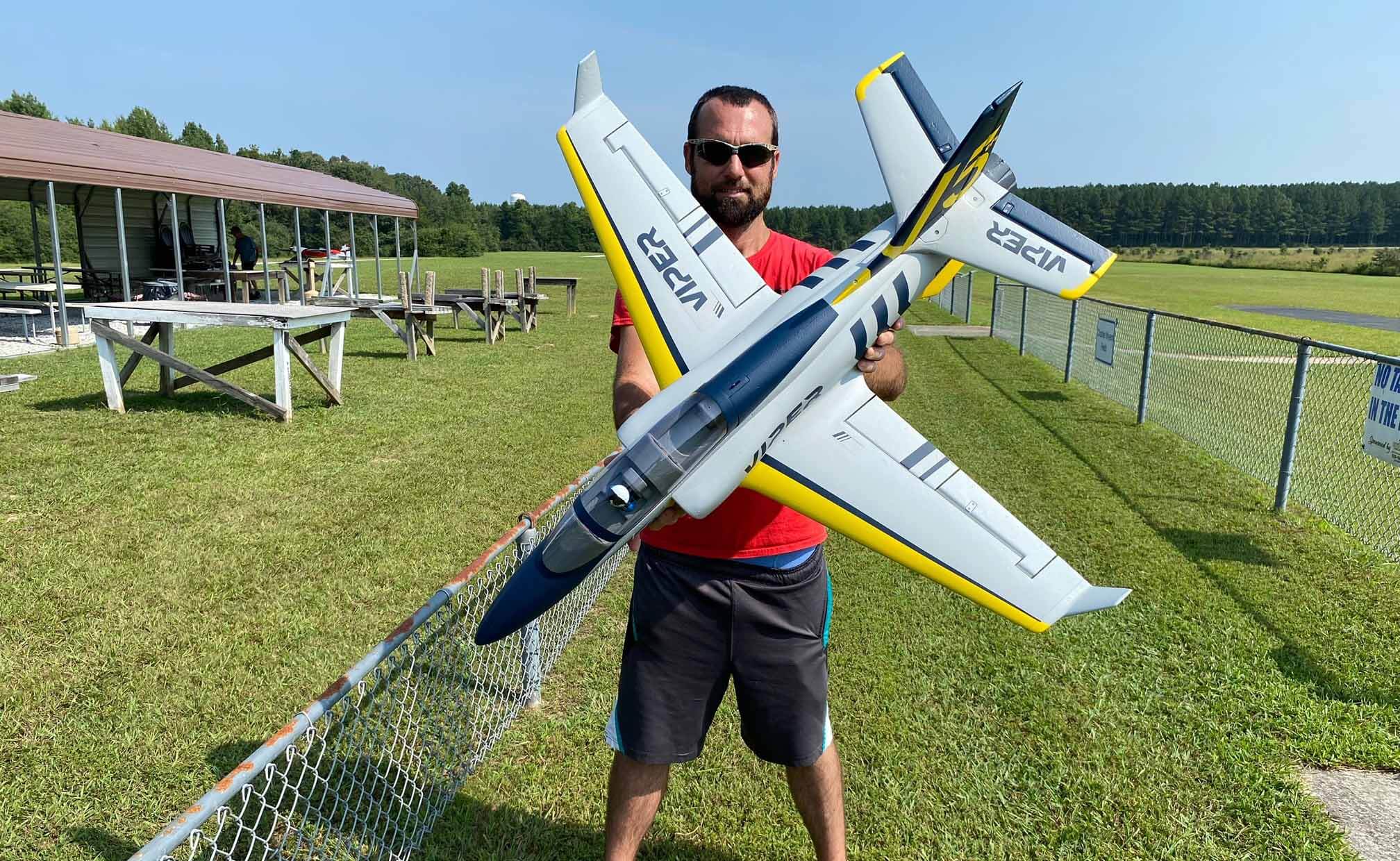
The 70mm wingspan maintains crisp visual orientation during high-speed passes and wide pattern turns. This clear silhouette helps pilots judge approach angles with greater confidence during final descent.
Manageable Power for EDF Progression
The FMS 70mm Viper V2 PNP 15th Anniversary Edition exemplifies this balanced category. Powered by a 12-blade fan, an 80A ESC, and a 3060 brushless inrunner on a 6S 3300mAh battery, it includes CNC shock-absorbing metal landing gear engineered to cushion firm runway touchdowns.
Field and Runway Requirements
Even forgiving 70mm sport jets require dedicated runway length for stable rollouts. Pilots refining their approach technique benefit from mastering smooth descents using a landing skills guide on stable trainer aircraft before advancing.
80mm EDF Jets Need More Space and Planning
Moving up to an 80mm EDF jet introduces true scale performance, heavier wing loading, and higher approach speeds that require established piloting discipline.
Stronger Air Presence and Higher Mass
With flying weights averaging around 3,000 grams, 80mm jets cut through windy conditions effortlessly. However, this increased mass elevates landing inertia, making reinforced suspension landing gear essential.
Clean Approaches and Throttle Discipline
Higher wing loading prevents floaty landings, requiring pilots to maintain active throttle management all the way down to the runway threshold to avoid premature stalls.
Intermediate-to-Advanced Requirements
Due to higher operating speeds and runway demands, 80mm models are designated for upper-intermediate to advanced hobbyists with proven low-wing flight competency.
90mm EDF Jets Are for Advanced Pilots and Larger Fields
A flagship 90mm EDF jet delivers maximum scale realism, turbine-like acoustics, and extreme speed for experienced pilots flying at spacious club fields.
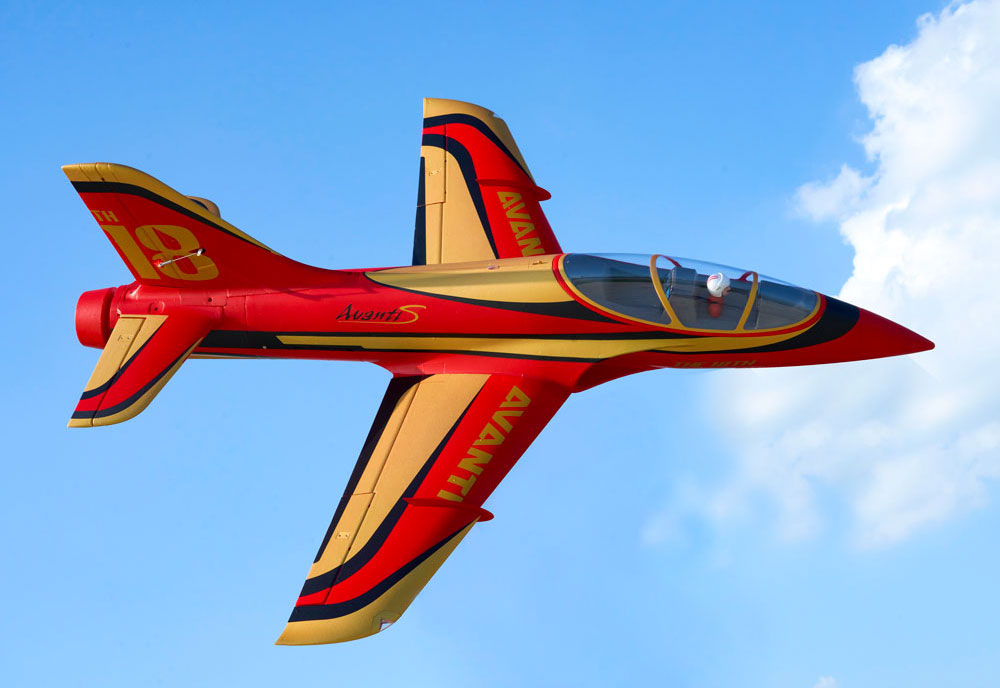
Extended Takeoff and Landing Rollout
Due to substantial wing loading and high touchdown velocities, 90mm aircraft demand long paved or closely mown grass runways with clear approach corridors.
High-Voltage Power Systems
Most 90mm setups operate on large 6S (5000mAh–6000mAh) or 8S LiPo configurations, requiring heavy-duty smart charging stations and strict battery maintenance protocols.
Prerequisites for Flying 90mm Airframes
Pilots should have extensive stick time on high-speed sport models and smaller EDF platforms before commanding a 90mm jet.
Compare 64mm, 70mm, 80mm, and 90mm EDF Jets
The comparative matrix below outlines the practical distinctions across the primary EDF size categories.
| Fan Size | Flight Dynamics & Handling | Runway & Space Demands | Battery Setup & Costs |
|---|---|---|---|
| 64mm | Nimble and responsive; sensitive to strong wind gusts | Compact park or standard sports field | 4S LiPo (Economical) |
| 70mm | Exceptional tracking stability and visual orientation | Medium paved runway or smooth short grass | 6S LiPo (Moderate) |
| 80mm | Heavy momentum; highly stable high-speed tracking | Long club runway with unobstructed clearways | High-capacity 6S LiPo (Higher investment) |
| 90mm | Maximum top speed and turbine-like sound presence | Full-size club airfield with paved strip | 6S to 8S LiPo (Premium category) |
Speed and Handling Dynamics
Flight performance shifts fundamentally as fan diameter expands. Aerodynamic drag and wing loading change how airframes respond to bank angles and throttle inputs.
Field Safety and Operating Boundaries
High-speed jet operations necessitate adherence to established flight corridors. The Academy of Model Aeronautics outlines strict safety-line guidelines to protect pilots and spectators at sanctioned flying sites.
Flight Times and Battery Management
Because high-output ducted fans draw sustained high currents, flight times generally range from three to five minutes. Investing in premium high-discharge batteries ensures consistent voltage under peak amp draws.
How to Choose the Right EDF Size for Your Experience
Select your ideal EDF model by evaluating your current landing consistency, runway availability, and battery budget.
Assess Your Landing Precision
If you occasionally bounce landings on propeller aircraft, start with a 64mm or 70mm model. Consistent flare control is the primary indicator of readiness for larger platforms.
Evaluate Your Flying Field
Confined parks dictate compact 64mm jets. If your home field features a paved runway with open boundaries, a 70mm or 80mm platform will thrive in that environment.
Calculate Total Operating Budget
Factor in the cost of spare battery packs, high-output chargers, and field support equipment before choosing high-voltage airframes.
Key checklist before ordering:
- Landing skill level: Proven flared touchdowns on low-wing sport planes
- Field infrastructure: Sufficient runway length and clear obstacle boundaries
- Battery readiness: Appropriate chargers and power supplies for 4S, 6S, or 8S systems
Pick an EDF Size You Can Fly and Land Consistently
The best EDF jet is one that matches your reflexes and flying site parameters. Master smooth landings on a manageable platform before stepping up to higher size classes. Browse the complete FMS RC EDF jet catalog to discover precision-engineered models from 64mm to 90mm designed for every progression stage.
FAQs About EDF Jet Size Selection
Can a 64mm EDF jet handle windy conditions?
A 64mm jet can fly in light breezes, but its low mass makes it prone to wind buffeting. Larger 70mm and 80mm jets penetrate moderate winds with significantly greater stability.
Is a 90mm EDF jet suitable as a first jet?
No. Due to its elevated speed, weight, and critical landing flare timing, a 90mm jet is strictly intended for pilots with prior high-performance jet experience.
Do larger EDF jets always fly faster than smaller ones?
Not necessarily. Top speed depends on the motor kv, blade count, ducting efficiency, and airframe aerodynamics. A streamlined 70mm jet can easily match or exceed the airspeed of a heavier scale 80mm model.
What battery discharge C-rating is recommended for EDF jets?
Ducted fans draw high continuous current, so batteries with a true 45C to 70C continuous discharge rating are recommended to prevent excessive voltage sag.
Can I use my existing charging equipment when upgrading to larger jets?
Moving from 4S (64mm) to 6S or 8S (70mm–90mm) systems usually requires higher-wattage multi-chemistry chargers and matched connector plugs (such as XT90 or EC5).