
While a purpose-built high-wing trainer is typically more forgiving for a beginner than a responsive low-wing sport model, true manageability ultimately stems from the entire airframe and its configuration. Your initial choice should feature a documented beginner skill level, docile control responses, favorable wing loading, sufficient dihedral, and reliable stabilization.
Although high-wing layouts dominate this category, wing placement alone never dictates a plane's true progression tier. You can transition to a low-wing sport model as your piloting confidence grows, provided you weigh its complete design, manufacturer recommendations, and your local flying space.
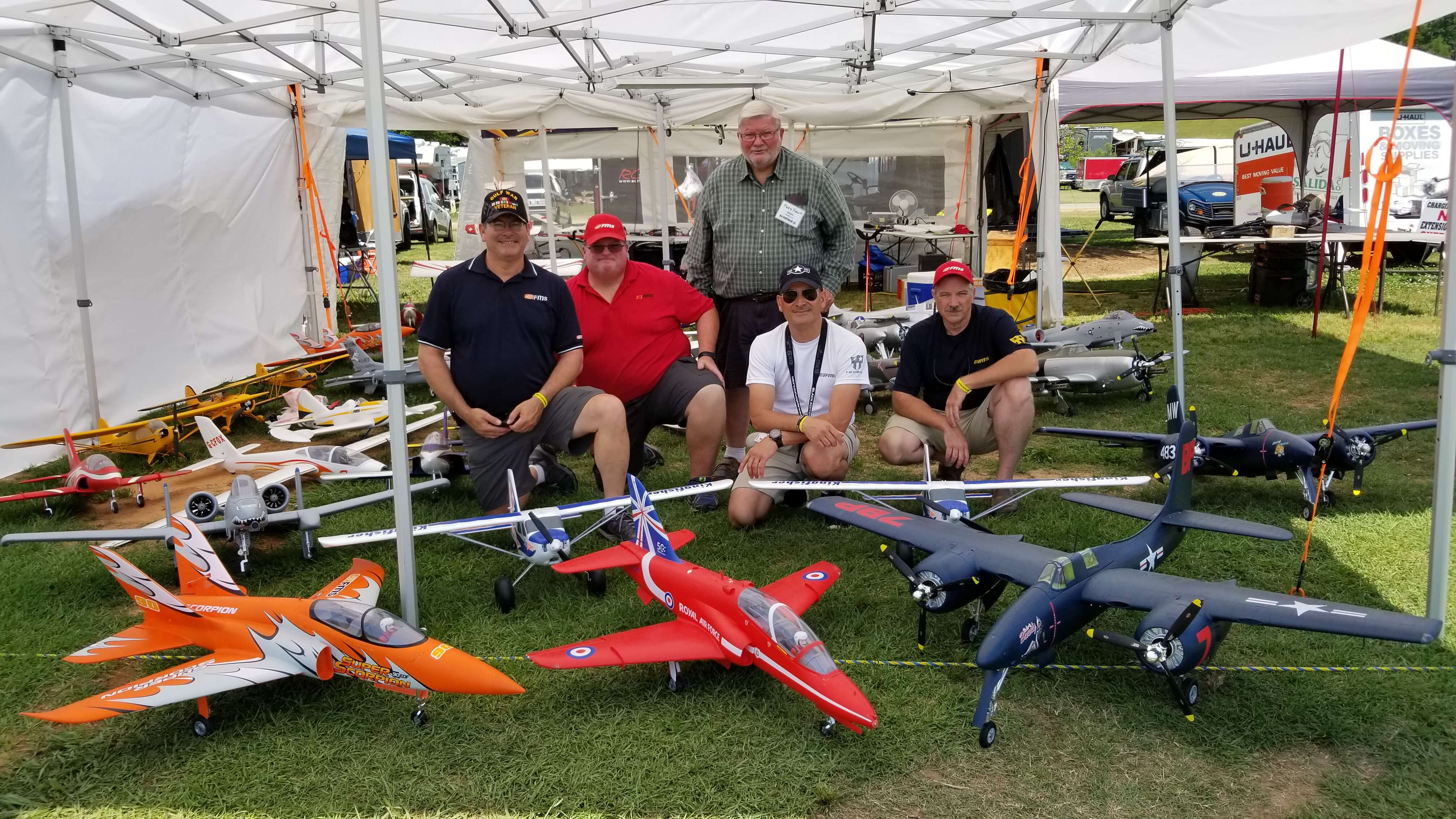
Which Wing Type Is Easier to Learn On?
For most first-time pilots, choose a suitable high-wing trainer before moving to a more active low-wing airplane. A returning pilot should base the decision on current practice with orientation, circuits, takeoffs, and landings rather than assuming past experience transfers automatically. The AMA's guidance on choosing a trainer supports that starting point.
High-wing trainer configurations often reduce the correction workload during early practice. Generous dihedral, moderate control response, suitable wing loading, a center of gravity within the manufacturer's recommended range, and a trainer-oriented airfoil can make an RC airplane easier to manage. A high-wing position contributes to the overall design, but it does not guarantee self-leveling behavior. These are general design tendencies, not absolute guarantees that every high-wing aircraft will self-level.
A low wing becomes the reasonable alternative when you can maintain orientation, make basic corrections, and land with consistent control, and when your goal is more than the calmest possible learning experience. That might mean sport circuits, precision practice, or a planned progression toward aerobatics. Before buying, use the individual model's stated skill level and setup to determine whether it is genuinely a trainer, a sport airplane, or an aerobatic design.
If you are still building basic confidence, start your search with beginner RC planes, then compare each model's documented design rather than choosing solely by its silhouette.
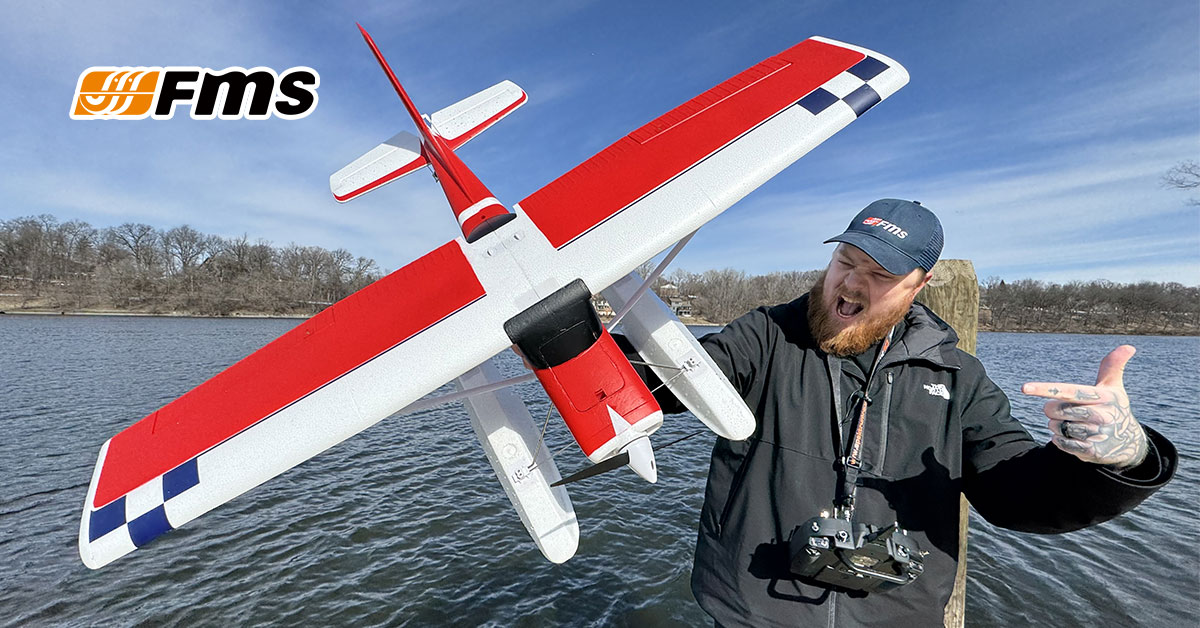
How Stability Affects Your First Flights
High-wing and low-wing layouts create distinct control impressions. Dihedral angle, airfoil profile, control surface setup, trim, center of gravity, wing loading, and the aircraft's intended purpose all affect how much correction a pilot feels during flight. Trainer-oriented designs often combine a high-wing layout, positive dihedral, moderate throw rates, and light wing loading to provide predictable handling during early practice.
| Handling Factor | High-Wing Tendency | Low-Wing Tendency |
|---|---|---|
| Learning Workload | Often more forgiving for basic practice when designed as a true trainer | Demands more active correction, depending on the complete design |
| Roll & Correction Feel | Calmer and less demanding during initial turns | More direct and responsive on sport-oriented airframes |
| Recovery Tendency | Trainer geometry naturally tends toward wings-level recovery | Self-recovery depends heavily on airframe geometry and stabilization setup |
| Typical Flight Character | Optimized for stable learning and controlled traffic patterns | Suited for dynamic sport flying or precision maneuvers |
Use the comparison table as a qualitative guideline rather than a rigid rule. A low-wing trainer can be easier to fly than an aggressive high-wing scale warbird, and an aerobatic high-wing model may prove too responsive for a novice. The complete airframe matters far more than wing location alone.
For a deeper explanation of airfoils and related aerodynamic variables, read this comprehensive RC plane wing design guide. It is the model's documented configuration, not the wing position in isolation, that should set your expectations regarding flight stability.
When Low-Wing Planes Become the Better Choice
A low-wing RC plane fits better when your basic flight control is dependable, your flying area offers ample clearance, and your primary goal favors active handling over maximum forgiveness. Low-wing configuration is a progression milestone, not an automatic warning of an uncontrollable or overly complex aircraft.
Sport Flying
Sport flying favors a low-wing airplane when you want crisper rolls, deliberate turns, and a less floaty response. This choice makes sense once you can comfortably maintain orientation and manage a basic flight pattern under changing wind conditions. A low-wing sport aircraft serves as an ideal progression platform, provided the manufacturer's stated skill level aligns with your capabilities.
Pilots returning to RC flying after an extended break should treat current consistency as the baseline. If takeoffs, turns, and landings feel rusty, a dedicated trainer provides a faster, less stressful restart than jumping directly into a responsive low-wing model.
Precision
Precision aerobatics and scale practice reward an airframe that tracks cleanly through maneuvers without requiring constant over-correction. Low-wing designs excel here when pilot skill and aircraft specifications align. Rather than relying solely on the category label, verify the manufacturer's control throw recommendations, airfoil profile, and center of gravity specifications before choosing an intermediate model.
Aerobatics
While a low-wing layout often suggests aerobatic capabilities, it does not guarantee them on its own. Aerobatic performance depends on power-to-weight ratio, control surface authority, structural rigidity, and CG placement. If your primary flying goal includes inverted flight, clean rolls, or loops, select an airframe explicitly built and documented for aerobatics.
How Flying Field Size Influences Your Decision
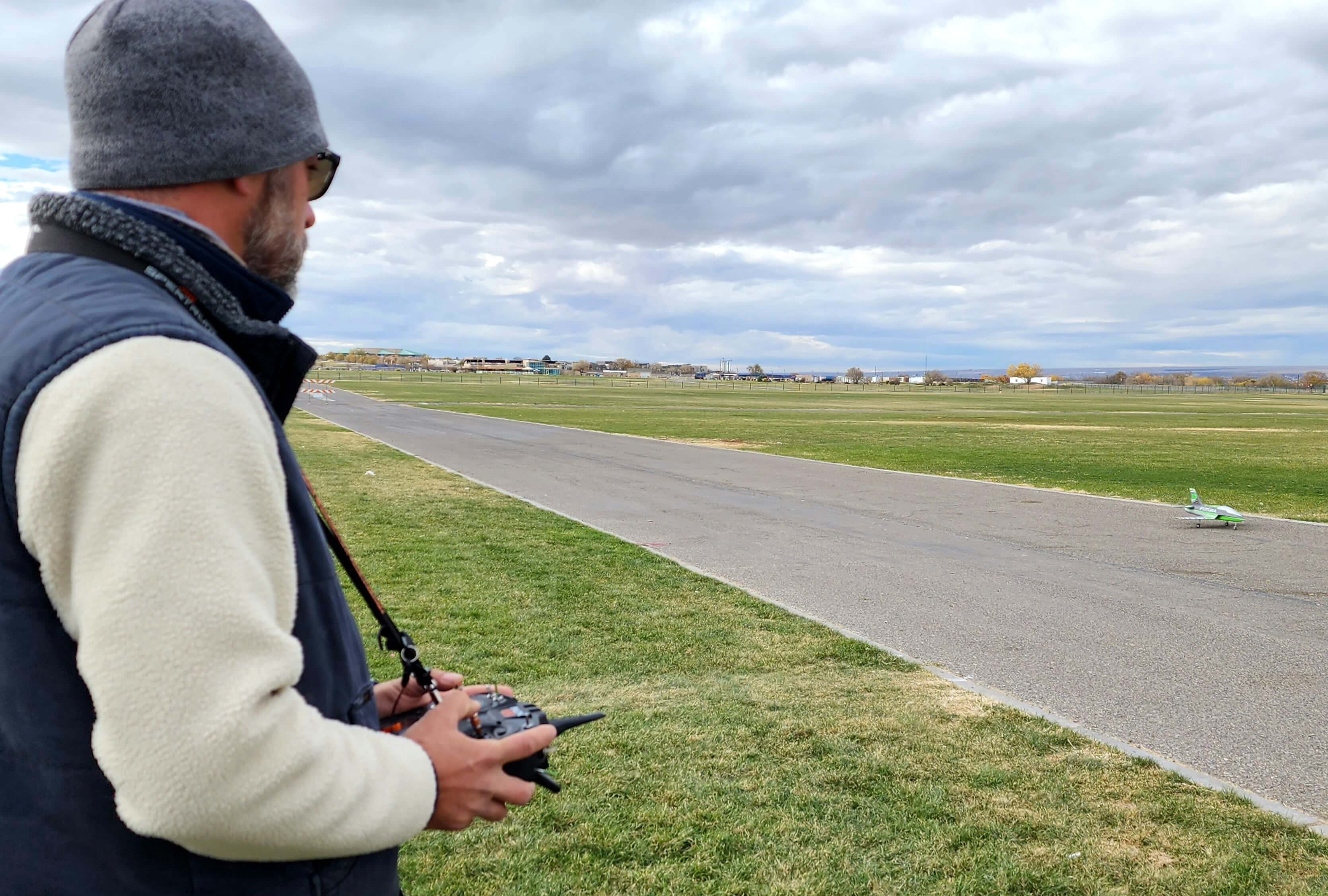
Choose an aircraft that stays comfortably within your line of sight and boundaries while giving you ample room to recover from orientation mistakes. Constrained or obstacle-dense spaces increase the need for forgiving handling and low stall speeds, while wide-open fields allow greater margin for high-speed sport models.
| Flying Field Condition | Recommended Configuration | Key Factors to Verify |
|---|---|---|
| Smaller Practice Area | Manageable high-wing trainer with low stall speed | Model dimensions, landing rollout, stall characteristics, and obstacle clearance |
| Large Open Field | High-wing or low-wing, depending on pilot skill level | Wind resistance, battery flight duration, and visual tracking at distance |
| Obstacle-Constrained Site | High-stability airframe with reliable gyro stabilization | Trees, spectator proximity, local park regulations, and airspace boundaries |
A spacious field benefits a progressing pilot, but it cannot compensate for an excessively twitchy or overpowered model. Likewise, a compact park flyer is not automatically appropriate for every neighborhood green space. Evaluate your pilot skill and site limitations as connected factors.
Always verify site rules before flying. Ensure the property owner permits radio-controlled models, inspect local airspace boundaries, and review FAA recreational flier guidelines when operating within controlled airspace. Site safety checks must always take precedence over aircraft type or stabilization features.
Common Buying Mistakes Beginners Make
The most dependable way to avoid a costly purchase mistake is to compare a model's published specifications against your actual flying skills and field size. Watch out for these three frequent missteps:
Choosing by Appearance
A sleek scale silhouette or aggressive military paint scheme can make a model look appealing, but appearance does not equal flyability. Camber, dihedral, control horn placement, and wing loading dictate actual flight dynamics. Treat wing position as a visual indicator, not a complete performance spec.
Buying Too Much Speed
Prioritize slow-speed stability and gentle stall characteristics before seeking speed. If orientation recovery and consistent flared landings are not second nature, a high-speed sport model will compound small mistakes rapidly. A stable trainer platform ensures steady skill progression without frequent repair downtime.
Skipping Trainers
While an experienced pilot returning to the hobby may adapt quickly, skipping the trainer phase entirely often leads to early crashes. Base your purchase on current stick feel and reflex sharpness, rather than past memories. If product documentation does not clearly state the target skill tier, do not assume the airframe is beginner-friendly.
Which Wing Type Matches Your Flying Goals?
Match the wing configuration to your immediate flying objectives, rather than an aspirational aesthetic. For initial learning and building stick muscle memory, choose a dedicated high-wing trainer. For sport aerobatics, inverted practice, and faster roll rates, transition to a low-wing model once your fundamentals are solid.
Choose the Right Wing for Your Next RC Plane
Before selecting your next high-wing or low-wing aircraft, complete these four checks in order:
- Verify the documented skill level. Select a proven trainer like the FMS 1220mm Ranger high-wing trainer when learning or rebuilding foundational flight control. If a model is designated for intermediate or advanced pilots, respect that threshold.
- Verify your intended flying style. Determine whether your focus is relaxed flight patterns, sport circuits, precision aerobatics, or high-speed passes. Match your primary goal to the model's wing profile, power system, and control surface design.
- Verify space and field constraints. Cross-reference the aircraft's stall speed and wingspan with your flying venue's perimeter, tree lines, and safety zones.
- Avoid appearance-driven choices. Do not buy solely based on scale aesthetics or speed ratings. When in doubt, pick the model that minimizes pilot workload and maximizes forgiveness.
Clarify your flying field dimensions, experience level, and flight goals before ordering. For detailed step-by-step training guidance, consult our RC flying skills guide.
A dedicated high-wing trainer remains the safest, most effective starting platform for any beginner. A low-wing aircraft is the natural next step once takeoff, orientation management, and touchdown are completely second nature. Always base your purchasing decision on documented airframe specifications rather than visual styling.
FAQs About RC Plane Wing Choice
Is a high-wing RC plane easier for a beginner?
Yes, provided it is designed with trainer geometry, moderate control throws, and a self-righting dihedral angle. Wing placement alone is not enough; verify the model's official skill rating and control configuration before buying.
Are low-wing RC planes harder to fly?
Generally, yes. Low-wing models feature a lower center of mass relative to the lift vector, making them more agile and responsive to roll inputs while requiring active pilot leveling. They are best suited for pilots who have mastered basic flight orientation.
What is the best RC plane for beginners?
The best starter aircraft is a durable, high-wing electric trainer equipped with manageable control throws, tricycle landing gear, and optional gyro assistance that matches your local flying field size.
Can I fly a low-wing plane if I am returning to the hobby?
Yes, if your orientation and landing reflexes are sharp. If you feel hesitant, spending a few sessions on a stable high-wing trainer or a flight simulator will ensure a smooth, risk-free transition back into the hobby.
Does a larger field make either wing type a better choice?
A larger field provides a safer recovery envelope for both wing types, but it does not make an advanced sport aircraft suitable for a novice. Match the model to your skill level first, and always comply with local airspace rules and landowner permissions.