
If your rc car constantly drifts off-center, you are likely dealing with a basic steering or suspension issue. This common problem affects both hobby-grade remote control cars and entry-level models, often caused by simple mechanical misalignment or setting errors. By systematically checking your steering trim, tires, and suspension components, you can usually restore straight-line performance without needing expensive repairs. This guide provides a straightforward troubleshooting path to help you get your vehicle back on track.
Why Does My RC Car Pull To One Side?
When an electric rc car refuses to travel in a straight line, it is typically signaling a discrepancy between the intended steering input and the actual mechanical output. The car’s path is determined by a combination of electronic settings, mechanical alignment, and physical damage.
Understanding the cause requires a methodical approach. Usually, the issue stems from one of three areas: the electronic trim settings on your transmitter, mechanical components like bent steering links, or debris interfering with the drivetrain. By identifying the root cause, you can stop wasting time with temporary fixes and solve the problem permanently.
Check Your Steering Trim First
Before disassembling any parts, always verify your transmitter settings. This is the most common reason for steering drift in radio controlled cars.
Understand Steering Trim
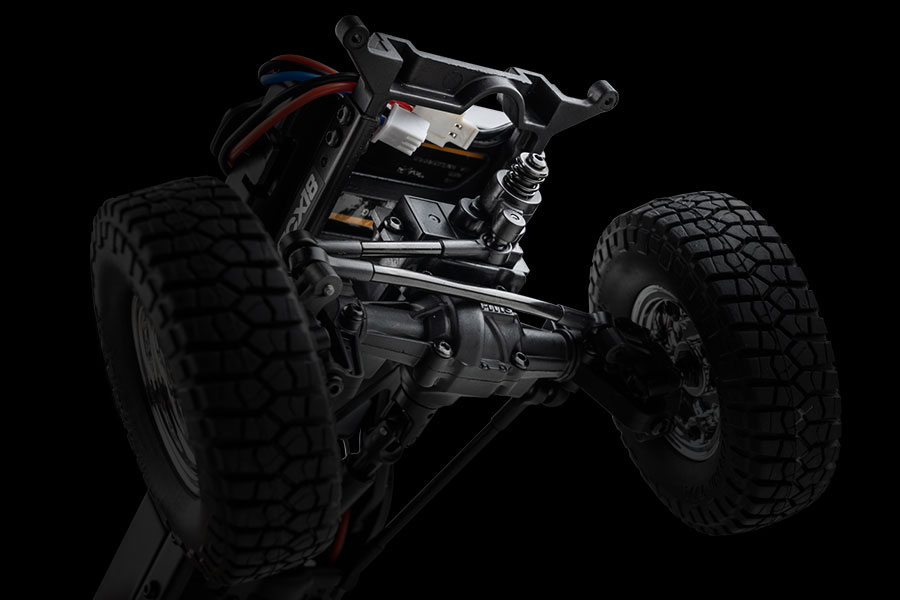
The steering trim knob or digital button on your transmitter allows you to calibrate the "neutral" position of the steering servo. If the trim is slightly off, the servo will hold the wheels at a minor angle, causing the car to veer left or right even when the steering wheel is centered.
How to Reset Trim
- Place the car on a stand so the wheels are off the ground.
- Turn on the transmitter and the vehicle.
- Ensure the steering wheel on your transmitter is in the neutral position.
- Adjust the steering trim knob until the wheels are perfectly parallel to the chassis.
- Drive the car on a flat surface to verify if the drift is resolved.
Inspect Tires And Wheels
Sometimes, the issue is not in the steering system at all, but rather in the contact points between the road and the vehicle. If you are running an off road rc car, uneven tire wear or debris is a common culprit.
Identify Physical Obstructions
Inspect each wheel to ensure there is no grass, hair, or tape wrapped around the axles. Small amounts of debris can cause significant rolling resistance on one side, which forces the car to pull away from that side.
Evaluate Tire Conditions
If one tire has significantly more tread than the other, the car will pull toward the side with more grip.
In many rc car truck models, the foam inserts inside the tires can shift. If one tire feels softer or "flatter" than the others, replace or adjust the foam to ensure even performance.
Look At Suspension Arms And Steering Links
Mechanical damage is a frequent occurrence after a hard impact, especially with a high-speed electric rc car. If a steering link or suspension arm is bent, the geometry of the wheels will be permanently altered.
Assess the Steering Turnbuckles
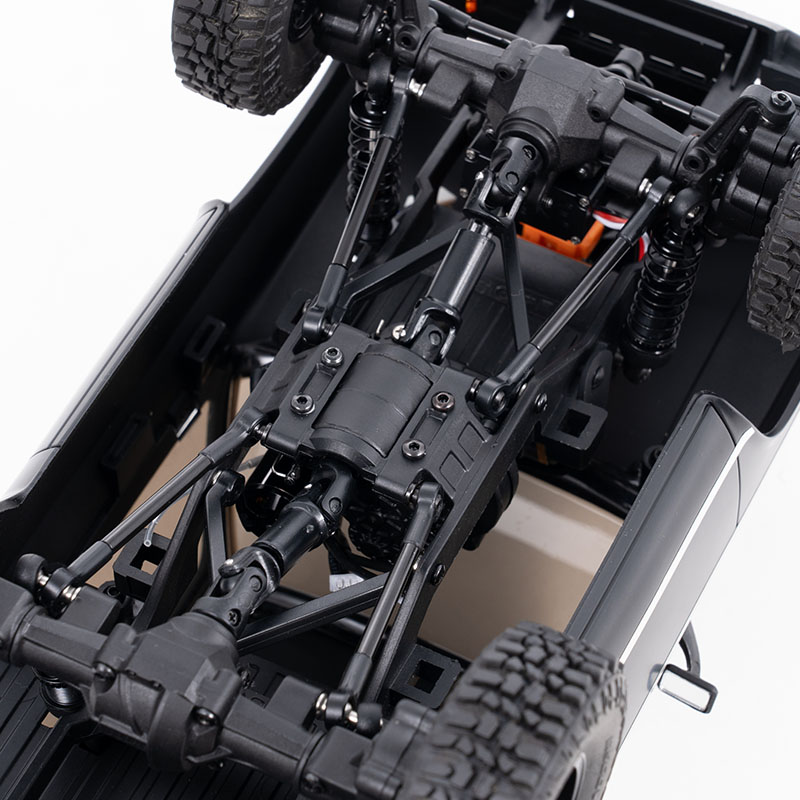
Check the turnbuckles (the rods that connect the servo saver to the wheels). If one is bent or the ends are loose, the wheel will not track straight. Use a ruler or digital calipers to ensure that both the left and right sides have the exact same length.
Inspect Suspension Arms and Caster Blocks
- Bent Hinge Pins: If a hinge pin is bent, the suspension arm will not move freely, affecting the vehicle's tracking.
- Caster and Camber: Verify that both sides have identical camber settings. If one side has more negative camber than the other, the car will naturally pull in that direction.
Test The Servo And Servo Saver
The servo is the muscle of your remote control cars, and the servo saver is the protective mechanism that prevents internal gear damage during crashes. Both can cause steering issues.
The servo saver is designed to absorb shock. If the spring inside is too loose or clogged with dirt, it may not return to center correctly. Try to wiggle the wheels by hand; if there is excessive "slop" or if the servo saver spring is stuck, it will prevent the wheels from returning to the neutral position.
If the servo gears are stripped or if the internal potentiometer is worn, the servo might struggle to hold a position. If you hear a grinding noise when the car is centered, it is likely time to replace the servo to regain precise steering control.
Check Drivetrain Resistance
If the car tracks straight while coasting but pulls when accelerating, the issue is often in the drivetrain of your rc car truck.
- Bearing Seizure: Spin each wheel by hand. If one wheel stops much faster than the others, the wheel bearing is likely seized or dirty.
- Differential Issues: If your off road rc car has a limited-slip or locked differential, ensure both sides are functioning equally. A faulty differential that provides more power to one wheel will cause the car to veer significantly under acceleration.
Fix Pulling Step By Step
If you are still unsure where the problem lies, follow this logical order to isolate the issue:
- Re-center: Perform a full reset of the steering trim on your transmitter.
- Clean: Remove all wheels and clean the axles, hubs, and bearings.
- Align: Check steering links with a measuring tool to ensure left/right symmetry.
- Test: Lift the car and observe if the wheels move freely. If one binds, focus your repair on that specific wheel or suspension arm.
- Verify: Drive at low speeds on a flat surface to confirm the alignment is accurate before moving to high-speed testing.
Conclusion
A car pulling to one side is rarely a sign of total system failure. By starting with the electronic trim, checking for debris, and inspecting the alignment of your steering links, you can pinpoint the issue quickly. Whether you are using a rugged off road rc car or a high-performance electric rc car, maintaining your suspension geometry and keeping the drivetrain free of resistance will ensure your vehicle drives straight and performs at its best every time you hit the track.
FAQs
Why Does My RC Car Not Drive Straight?
This is usually caused by an improperly adjusted steering trim, bent steering links, or debris creating drag on one side of the drivetrain. Start by recalibrating your trim.
How Do I Adjust Steering Trim On An RC Car?
Locate the steering trim knob on your transmitter. While the car is on a stand, adjust the knob until the wheels point straight forward, then fine-tune it during a slow test drive.
Can Bad Tires Make An RC Car Pull Left Or Right?
Yes. If one tire is worn down, has a different diameter, or has a loose foam insert, it will create uneven traction, causing the car to drift toward the side with more grip.
Why Does My RC Car Turn More One Way Than the Other?
This is typically caused by uneven steering link length or a servo saver that is not centered. Check your turnbuckle lengths and ensure your servo horn is mounted at a 90-degree angle.
Should I Replace The Servo If My RC Car Pulls To One Side?
Only if you have ruled out mechanical alignment and trim issues. If the servo cannot hold a center position or makes grinding noises, it may be time for a replacement.