
EDF RC jets are noticeably harder to fly than trainer aircraft due to higher takeoff speeds, rapid control responses, and narrow landing windows. While not out of reach for a dedicated beginner, new pilots achieve a far safer learning curve by mastering fundamental flight mechanics on a trainer first.
Why Do EDF Jets Feel Difficult for New Pilots?
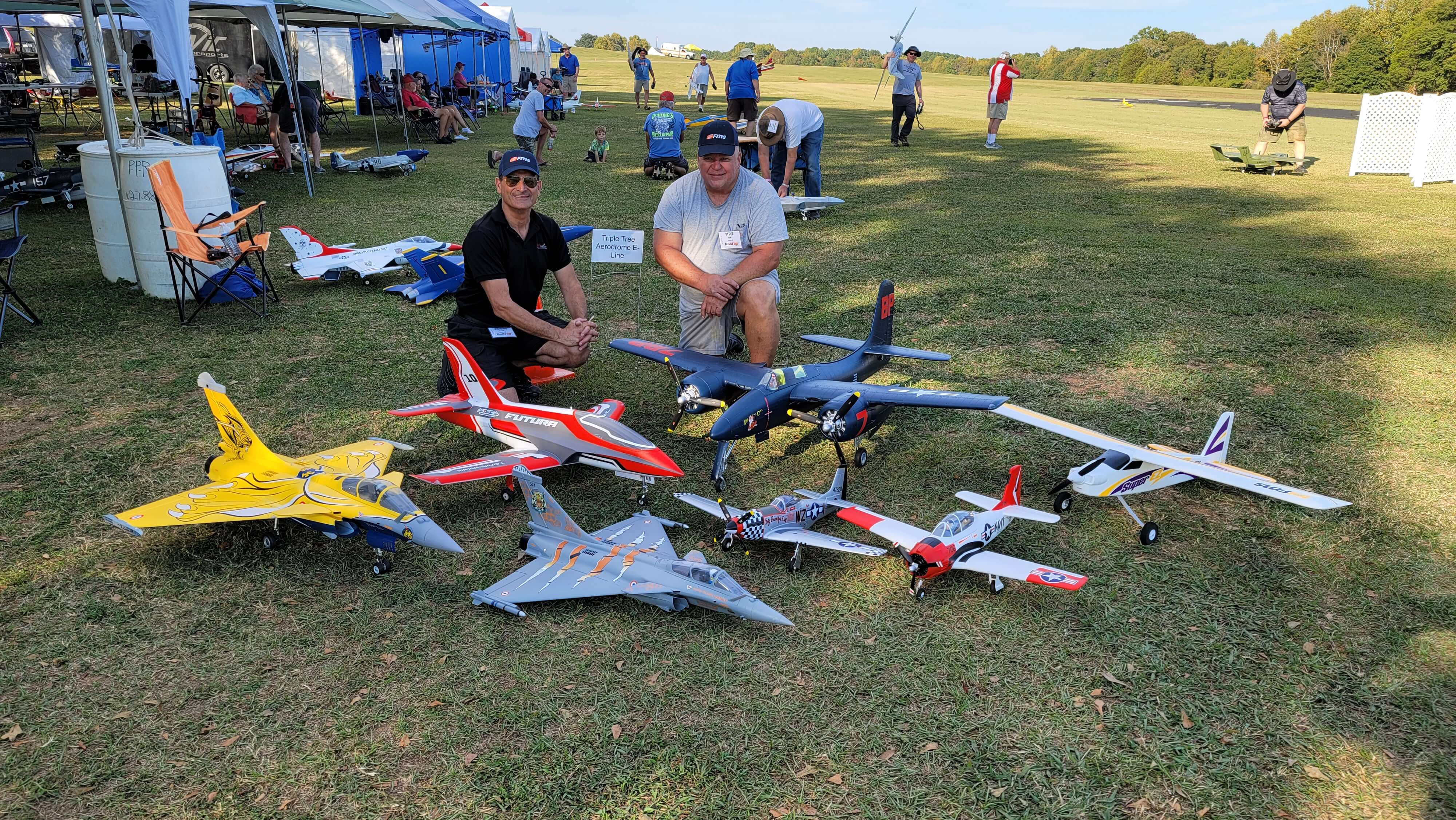
Electric ducted fan models combine high airspeed, sensitive control dynamics, and minimal margin for error into every flight. Unlike high-lift trainers that allow time to think between stick inputs, an EDF jet demands real-time instinct.
Takeoff speed is the first challenge pilots encounter. An EDF unit requires high forward velocity to generate wing lift, leading to extended takeoff rolls and rapid climbouts. This high velocity leaves little room to correct heading drift before the aircraft is far downfield.
Control sensitivity increases dramatically with flight speed. Minor transmitter stick deflections create immediate, aggressive attitude changes. An input that feels subtle on a slow trainer can easily induce pilot-induced oscillations (PIO) or severe overcorrection on an EDF jet.
The landing window is equally demanding. Higher approach speeds compress the time available to establish a steady glide slope, manage flare angle, and touch down smoothly without stalling or bouncing the airframe.
How Much Flying Experience Should You Have First?
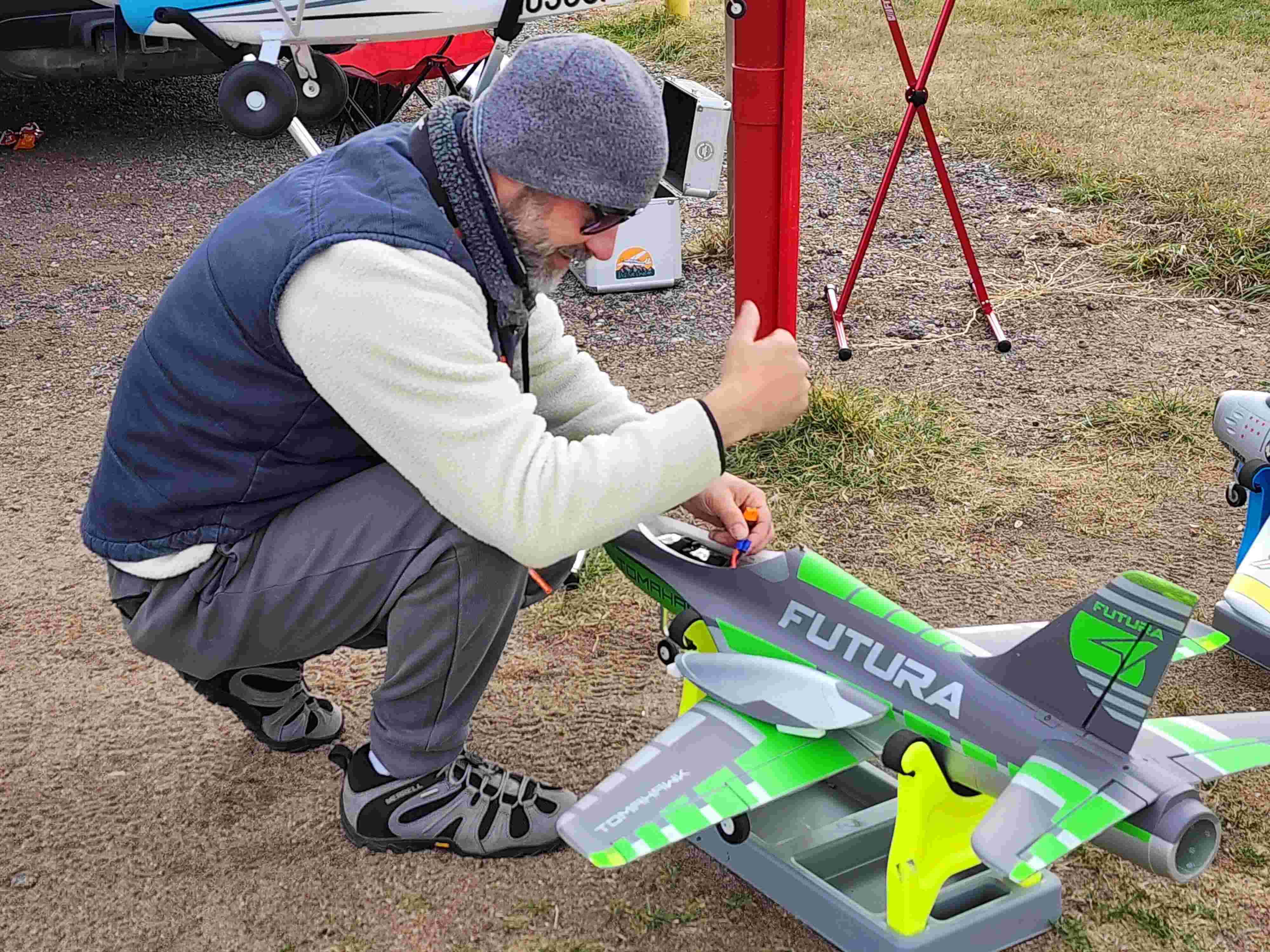
Most pilots benefit from mastering a basic trainer aircraft before stepping up to ducted fan jets. True readiness is defined by repeatable, controlled landings rather than a single successful flight.
Core competency means executing complete traffic patterns—including coordinated turns, climbs, and descents—without hesitation. Maintaining spatial orientation during bank angles and inverted transitions is essential before adding jet speeds.
Consistent runway approaches serve as the ultimate benchmark. A pilot must consistently touch down on the runway centerline without stalling or forcing late go-around recoveries.
Wind compensation skills are non-negotiable. Managing crosswind drift and turbulence on a forgiving airframe prevents catastrophic errors during high-speed EDF approaches.
What Kind of Flying Field Do EDF Jets Need?
EDF models require substantially longer and wider flight lines than typical park flyers due to extended rollout requirements.
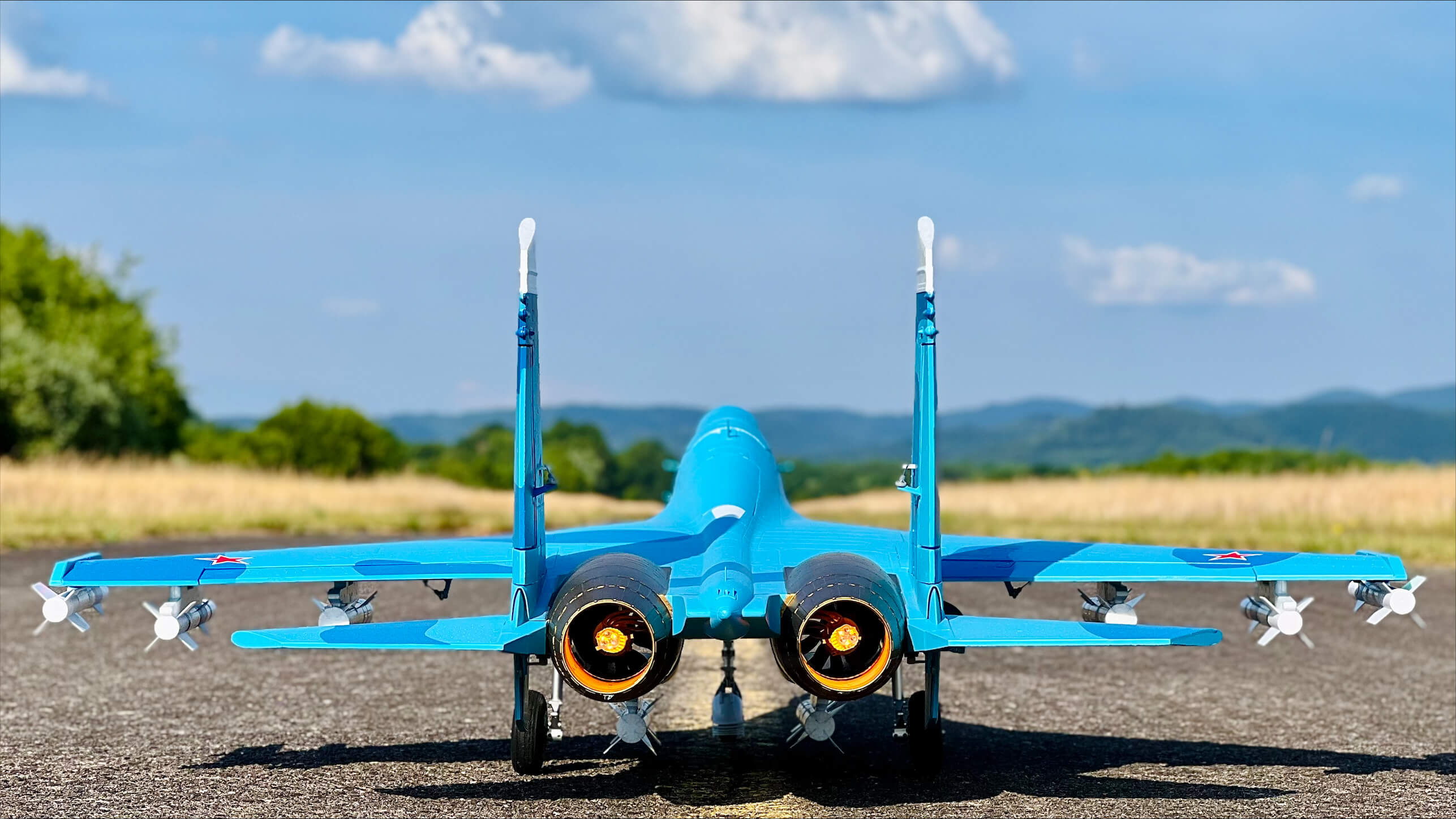
Runway length is crucial. Extended takeoff runs and flatter descent angles require sufficient paved or smooth grass surface to safely abort takeoffs or roll out post-touchdown.
Surrounding airspace ensures safe flight envelopes. According to the Academy of Model Aeronautics, chartered flying sites enforce strict safety boundaries separating pilot stations and spectators from the active flight path. High-speed jets require ample clear airspace to respect these safety perimeters without abrupt, high-load turns.
Surface quality directly impacts landing gear longevity. Rough terrain increases drag on small jet wheels, raising the risk of nose-gear collapse. Flying at dedicated club facilities allows pilots to choose an established club field optimized for high-performance models.
Should an EDF Jet Be Your Second RC Airplane?
For most hobbyists, transitioning to an EDF jet works better as a second airplane after basic muscle memory is solidified on a prop-driven platform.
Trainers absorb hard landings and offer gentle stall characteristics. Moving directly to a high-speed jet eliminates this safety net, turning minor orientation mistakes into severe crashes.
Progressing to a jet relies on pilot reaction time rather than total months in the hobby. Once stall recovery and smooth throttling become second nature, the transition feels natural.
What Is the Best Training Path Before Flying EDF Jets?
A structured progression begins with simulator practice, advances to high-wing trainers and intermediate sport models, and culminates in entry-level EDF jets.
- RC flight simulator sessions to build stick memory and orientation reflex
- High-wing trainer flights for pitch stability and baseline circuit practice
- Low-wing sport plane flights to adjust to faster roll rates and neutral stability
- First entry-level EDF jet once spot landings and airspeed management are consistent
High-wing trainers provide natural self-leveling stability. Stepping up to a sport plane bridges the gap by introducing dynamic control response without the extreme current draw and speed of ducted fans.
When selecting a first jet, design features matter significantly. The 64mm F/A-18 Hornet utilizes a 12-blade 64mm fan, 2840-KV3150 brushless motor, and a 40A ESC equipped with reverse thrust functionality to shorten landing runs on tight runways. Pilots still building confidence can evaluate beginner-friendly trainer planes before stepping into high-thrust platforms.
Are You Ready for Your First EDF Jet?
Readiness requires consistent landing discipline, steady wind management, and a sufficiently large flying facility. Review the complete RC EDF jet lineup to match your current skill level with the right airframe.
Frequently Asked Questions About Flying EDF RC Jets
Can a beginner fly an EDF jet on their first attempt?
A first-time pilot should avoid starting with an EDF jet due to high stall speeds and instantaneous control sensitivity, which create a high probability of an early crash.
How long does it take to get ready for an EDF jet?
Skill acquisition depends on flight frequency and simulator hours. Many pilots transition comfortably after two to four months of regular weekly flight practice on trainer aircraft.
Do EDF jets require bigger batteries than propeller trainers?
Ducted fans draw high continuous current to produce thrust, requiring higher C-rating LiPo packs and strict adherence to recommended battery capacities.
Are EDF jets more expensive to maintain?
Airframe repairs can be more demanding because high-speed impacts cause greater structural and fan rotor damage, though routine brushless electronics maintenance remains comparable to propeller planes.
Can flight simulators replace real trainer flight experience?
Simulators build essential hand-eye coordination and orientation instincts, but physical flights are still necessary to master ground-effect physics, depth perception, and variable local wind conditions.