

Glider pilots dance with imperceptible currents of air, translating what most people can neither see nor sense into prolonged flight. Approaching World Meteorological Day, the moment has arrived to look at this remarkable relationship between glider pilots and the winds they master—a discipline that translates meteorological science into practical aviation wisdom.
What is the Background of World Meteorological Day?
Origins and Purpose
Every March 23rd since 1961, World Meteorological Day commemorates the establishment of the World Meteorological Organization and highlights the vital role weather science plays in our daily lives. While many associate meteorology with routine weather forecasts, for glider pilots, atmospheric understanding is fundamental to flight safety and performance.
Connection to Aviation
The occasion often brings atmospheric scientists and aviation enthusiasts together to share insights connecting theoretical meteorology with practical flight dynamics. For glider pilots, the day honors the foundational science that makes sustained soaring flight possible.
Community Participation
Local soaring and RC flying clubs frequently organize special flights or flight demonstrations to illustrate how deeply intertwined unpowered aviation and atmospheric science truly are.
How Do Gliders and Wind Form an Indissoluble Bond?
1. Principles of Flight
Unlike powered aircraft that rely on engine thrust, gliders rely entirely on natural atmospheric currents to maintain lift. Whether launched via aerotow or a winch system, a glider stays aloft by riding columns and bands of rising air.
Pilots continuously interpret visual atmospheric cues—from developing cloud structures to solar-warmed terrain features—to locate rising air. A skilled pilot works in harmony with gravity, converting potential altitude into distance while searching for the next thermal updraft.
2. Importance of Wind
For glider pilots, the wind is the working medium. Different wind patterns and changing weather conditions create distinct soaring environments:
- Ridge lift generated along windward mountain slopes
- Thermal updrafts rising from solar-heated ground
- Mountain waves forming downwind of elevated ridgelines
Understanding these airflow patterns is the key difference between a brief descent and hours of soaring across open terrain. Pilots learn to detect subtle wind shifts through aircraft control response, cultivating an intuitive sense of microscale atmospheric movements.
3. Meteorological Knowledge for Pilots
A comprehensive piloting foundation requires studying cloud classification, atmospheric stability indices, pressure differentials, and wind formation dynamics. Pilots learn to:
- Identify cumulus cloud bases that signal active thermal lift
- Anticipate severe turbulence and wind shear near convective storms
- Locate smooth, powerful wave lift formations extending downwind of mountain ranges
How Do Gliders Combine with Weather Observation?
Modern gliders frequently carry compact meteorological instrumentation, turning recreational flights into valuable atmospheric data missions. Many pilots record real-time temperature, humidity, and barometric trends to share with meteorological research teams.
This collaboration benefits both disciplines: meteorologists obtain high-resolution boundary layer data from airspace that is difficult to sample with ground stations, while pilots receive high-precision microscale forecasts tailored for soaring routes.
Atmospheric research teams also deploy specialized sensor gliders to monitor mountain lee waves, boundary layer heat exchange, and particulate transport with minimal aerodynamic disruption.
How Do Glider Pilots Experience the Charm of Wind?
1. Types of Wind
Pilots evaluate winds not only by velocity and heading, but also by their distinct structural behavior:
- Anabatic winds: Warm air rising along sun-heated mountain slopes, providing dependable slope lift.
- Katabatic winds: Dense, cold air draining downhill that can create rapid sink rates.
- Gradient winds: Broad air movements driven by regional pressure differentials that establish the macro wind field.
Each condition requires distinct piloting techniques, ranging from wide sweeping turns in ridge lift to tight banking inside turbulent thermal cores.
2. Thermal Flow Experience
Locating the first strong thermal is an unmatched experience in soaring flight. These columns of rising warm air form when solar radiation heats diverse surfaces unevenly, a phenomenon that can produce strong thermal currents during warm weather flying. Tilled soil, paved runways, and exposed rock faces absorb heat faster than surrounding greenery, generating buoyant air parcels that glider pilots track and utilize.
When entering a thermal, one wing lifts, the variometer indicates a positive rate of climb, and the pilot banks into a tight circle to center the core. Strong thermal updrafts can lift an aircraft thousands of feet, dramatically expanding cross-country soaring range.
3. Frontal Airflow
Passing weather fronts represent dynamic boundaries between contrasting air masses, often creating powerful soaring opportunities.
Cold fronts force warmer air upward, creating continuous lines of lift known as convergence zones where pilots can cruise straight for miles without circling. Warm fronts yield broader, gentler lift bands, often sitting below uniform cloud decks.
Experienced aviators analyze surface analysis charts prior to departure, plotting flight paths to capture frontal energy while steering clear of associated downdrafts and convective turbulence.
4. Urban Heat Island Effect and Wavy Airflow
Metropolitan areas alter local microclimates by absorbing and radiating thermal energy differently than rural terrain. On calm, clear days, this urban heat island effect produces dependable lift zones, offering practical advantages for long-range RC glider missions.
However, tall structures can also introduce localized shear and mechanical turbulence, requiring precise low-altitude control when utilizing city-adjacent airspaces.
5. Mountain Breeze and Canyon Flight
Mountain environments host some of the most dynamic soaring conditions. Daytime solar heating initiates upslope valley winds within narrow corridors, allowing gliders to gain altitude steadily along sunlit ridges.
As evening falls, descending katabatic air creates sink conditions, signaling the close of the flight window. For maximum altitude gains, mountain wave flying—where strong winds create standing waves on the leeward side of major ridges—enables pressurized gliders to climb well into the stratosphere.
6. Sea Gliding and Sea Breeze
Coastal soaring presents unique meteorological mechanics. Because land warms significantly faster than open water, rising terrestrial air draws in dense marine air, generating a sharp sea breeze front that produces reliable convergence lift.
This marine boundary frequently triggers a distinct line of cumulus clouds parallel to the shore, forming an aerial lift corridor for glider pilots. Flying along coastal convergence zones requires a firm understanding of onshore wind cycles and localized marine layer behavior.
Glider Product Recommendations
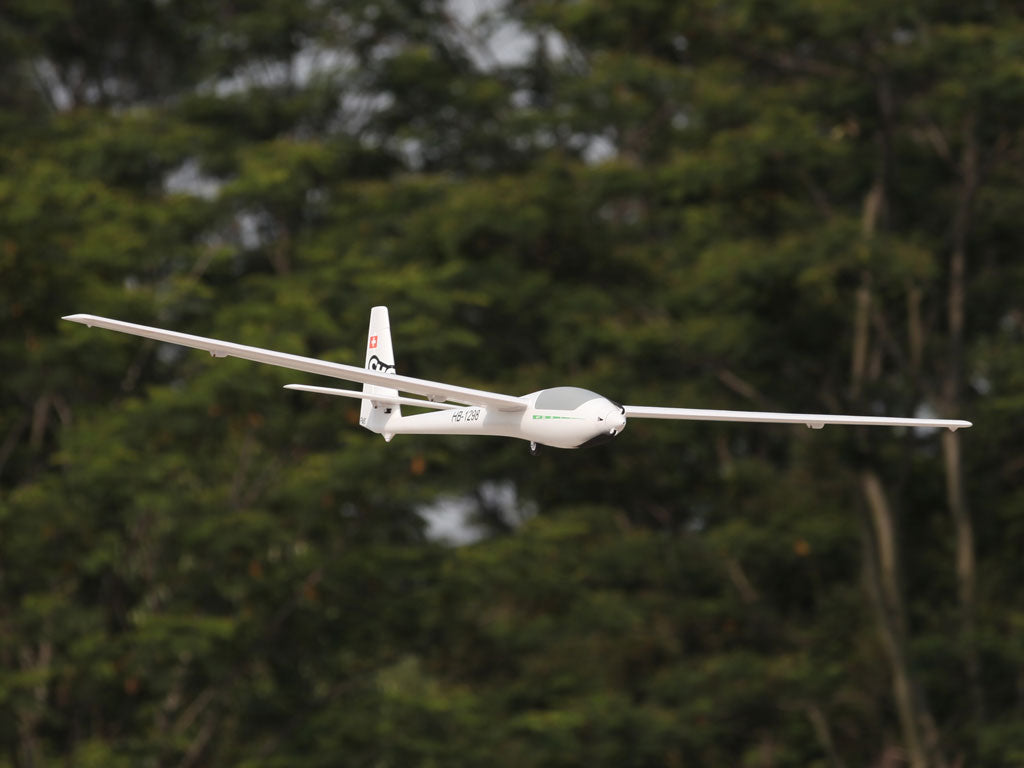
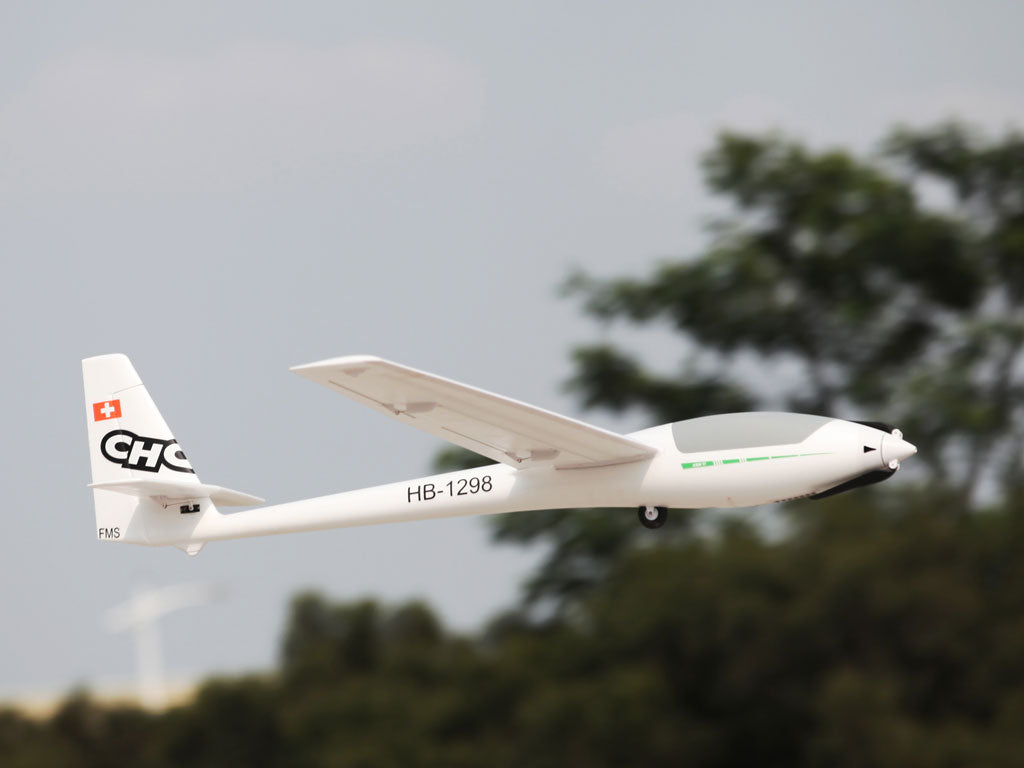
For pilots seeking to explore high-altitude soaring and dynamic wind phenomena, the FMS 2500mm ASW-17 EP Glider is an exceptional choice. Co-developed with world champion pilot Daniel Aeberli, it features quick snap-together assembly and dependable climb power delivered by a Predator 3541-750KV motor. Its rigid carbon fiber spar structure ensures stability during high-speed thermal tracking.
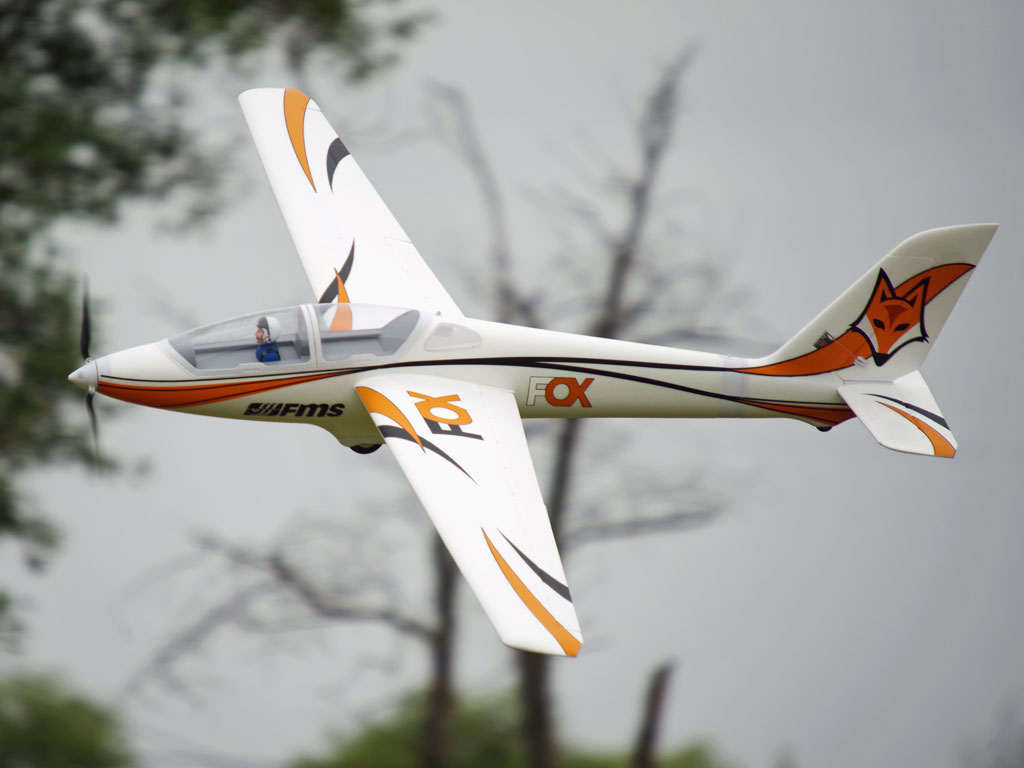
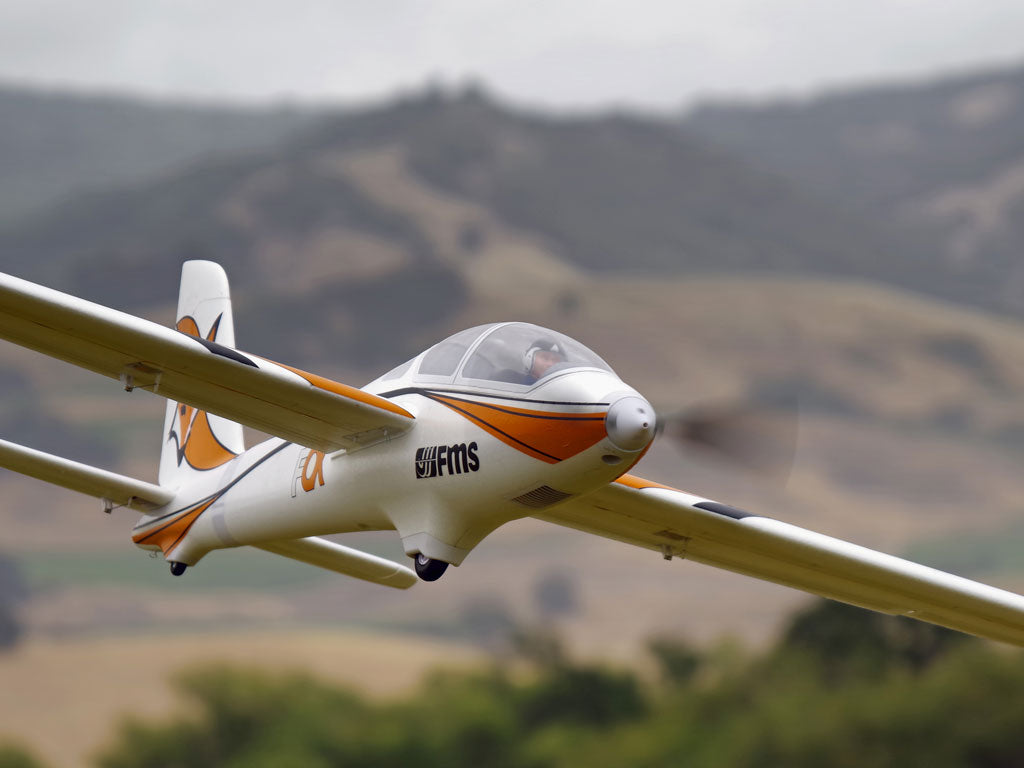
Alternatively, the FMS 2300mm FOX V2 Glider provides agile aerobatic handling and durable EPO foam construction. Equipped with functional flaps and easily detachable wings, it is purpose-built for slope soaring, thermal hunting, and convenient transport.
Fly with a Club on World Meteorological Day
Connect with a local RC plane and glider club or plan a soaring session on World Meteorological Day to observe the intersection of meteorology and aerodynamic flight firsthand.