
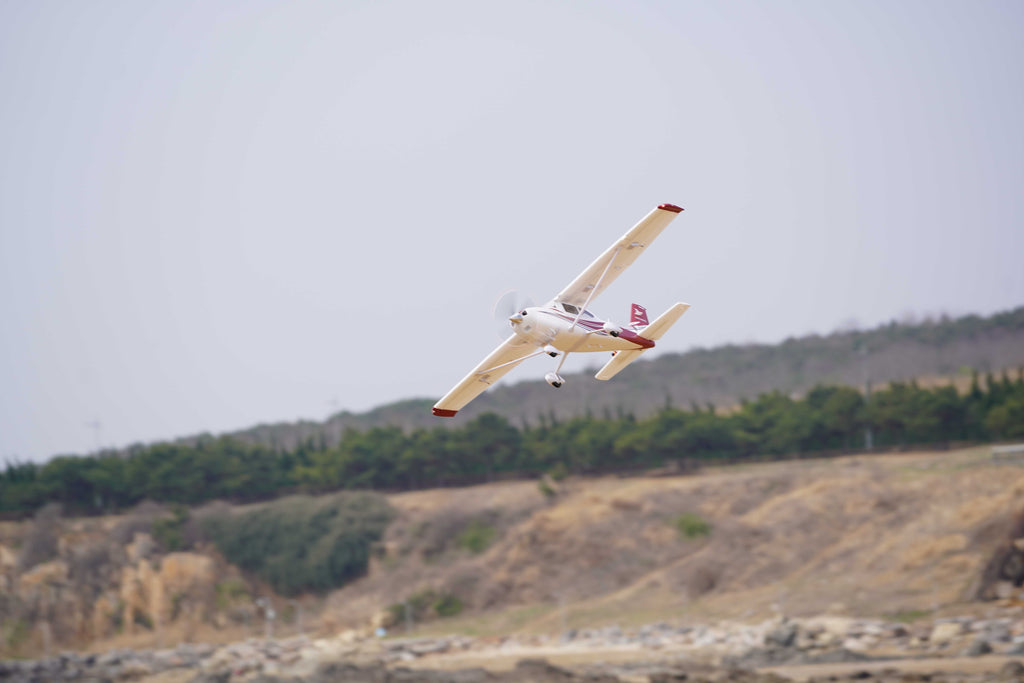
The moment the wheels leave the ground is exhilarating, but for many new pilots, it is also terrifying. The takeoff phase is critical; it is where the transition from ground physics to aerodynamics happens instantly. A shaky hand or a sudden gust of wind can end the flight before it truly begins. However, nervousness often stems from uncertainty. By building a solid pre-flight routine and mastering specific control habits, you can replace anxiety with confidence. This guide explores the essential practices that stabilize your rc flying experience, ensuring every launch leads to a successful flight.
What Pre-Flight Checks Calm RC Flying Nerves Before Takeoff?
Anxiety is often a fear of the unknown. Knowing your aircraft is mechanically sound eliminates half the worry. A rigorous pre-flight checklist is the most effective way to calm your nerves.
1. Control Surface Movement Verification
Before every single flight, move the sticks. Check that the ailerons, elevator, and rudder move in the correct direction. A reversed aileron will flip your RC airplane upside down the moment it lifts off. This simple "high-five" check (stick back, elevator up; stick right, right aileron up) is non-negotiable.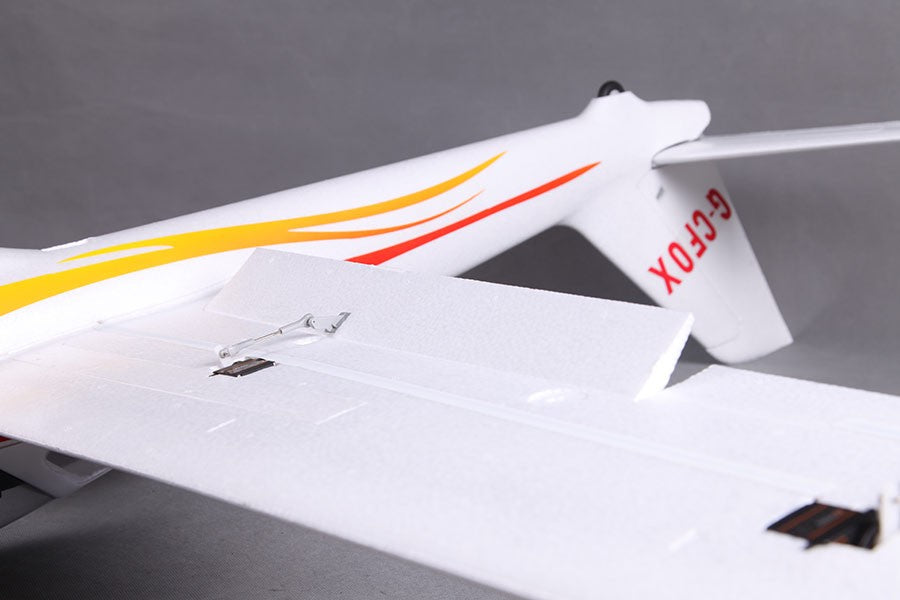
2. Battery And Connection Testing
A loose battery can shift during takeoff, destroying the plane's center of gravity. Ensure the battery is strapped down tight. Also, check the voltage. Taking off with a partially charged battery risks a power cut during the climb-out, which is a dangerous situation for any pilot.
3. Wind Condition Assessment
Look at the windsock or toss some grass in the air. Always take off into the wind. Taking off downwind increases the ground speed required to generate lift, extending your takeoff roll and reducing control responsiveness. Knowing the wind direction helps you plan a straight and stable ascent.
How Should You Handle RC Aircraft Controls During Takeoff?
Once the plane is lined up, your hands take over. The most common error in rc flying is over-controlling. Beginners tend to react too fast and too hard.
Resist the urge to slam the throttle to 100% instantly. This causes a massive torque spike that pulls the nose sharply to the left. Instead, advance the throttle smoothly over 3 to 4 seconds. This gradual increase allows the rc planes to build speed while you gently correct the steering with the rudder.
When the plane is rolling, let it fly itself off the ground. Do not yank the elevator back. As speed builds, the tail will lift (on tail-draggers) or the nose will lighten. Apply a tiny amount of up-elevator only when the plane is ready. Once airborne, keep your stick movements small. Large inputs lead to over-correction, causing the plane to wobble or stall. Smooth, small adjustments are the mark of a skilled pilot.
Which RC Plane Setup Changes Improve Beginner Takeoff Confidence?
Sometimes the plane itself makes the job harder. Adjusting the mechanical setup can make your radio controlled airplane much more forgiving.
Center Of Gravity Adjustment Effects
A nose-heavy plane is stable but sluggish. A tail-heavy plane is twitchy and uncontrollable. For beginners, setting the Center of Gravity (CG) slightly forward of the manual's recommendation can improve stability. This makes the nose naturally want to drop, preventing the deadly "tip stall" during a steep climb.
Control Throw Reduction Benefits
Most r c planes for beginners come with "dual rates." Use the low rate setting for takeoff. This reduces how far the control surfaces move when you push the stick. It desensitizes the plane, meaning if your nervous thumb twitches, the plane won't react violently. This buffer allows you to be less precise while still maintaining control.
Tricycle Versus Tail-Dragger Considerations
If you are struggling, consider the landing gear. Tricycle gear (nose wheel) is inherently more stable on the ground. It steers like a car. Tail-draggers are prone to "ground looping" (spinning around) if you aren't quick with the rudder. Choosing a tricycle gear model for your first rc aircraft hobby experience simplifies the ground handling significantly.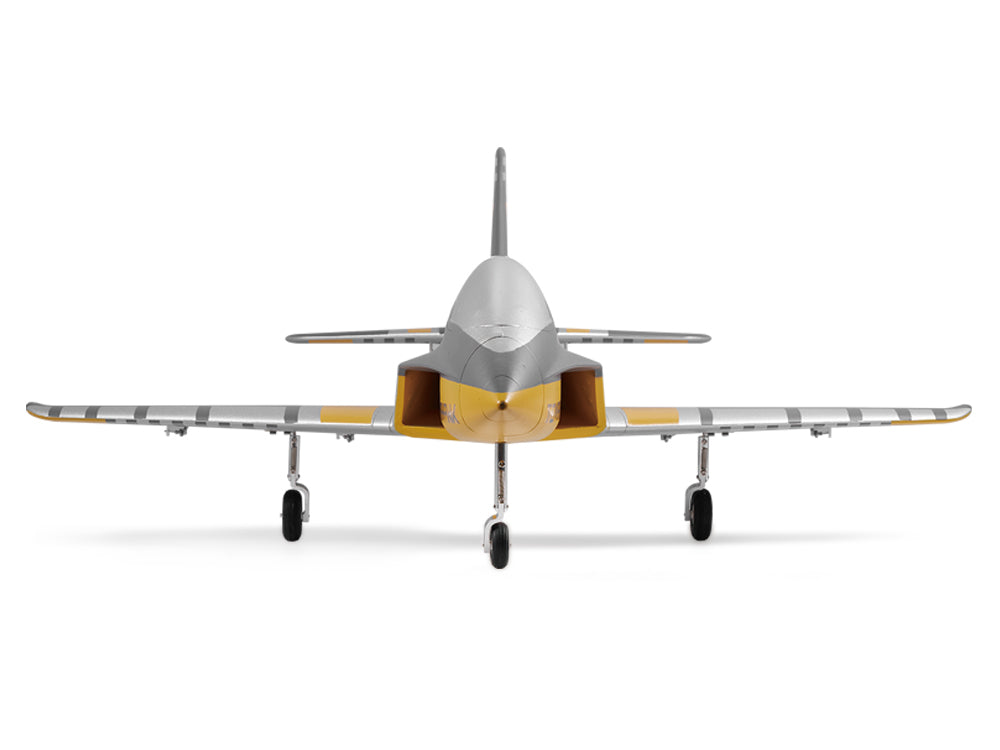
What Mental Approaches Help Radio Controlled Airplane Pilots Stay Calm?
Flying is a mental game. Panic is the enemy of good piloting. Training your brain is just as important as tuning your engine.
Simulation Practice Benefits
Use an RC flight simulator on your computer. Practice takeoffs repeatedly without the risk of crashing your real model. This builds muscle memory for RC flying. When you get to the field, your fingers already know what to do, bypassing the panic response.
Buddy Box Training Value
The "buddy box" system connects two transmitters with a cable. An instructor holds the master controller and can take over instantly if you make a mistake. Knowing you have a safety net removes the fear of crashing, allowing you to relax and focus on learning the correct inputs.
Breathing And Focus Techniques
Take a deep breath before you throttle up. Visualize the RC airplane takeoff path. Focus only on the airplane, blocking out distractions or spectators. Remind yourself that you have done the checks and you are prepared. This mental reset helps lower your heart rate and steadies your hands.
Conclusion
Nervousness at the flight line is normal, but it shouldn't ground you. By implementing thorough pre-flight checks, mastering smooth throttle control, and adjusting your aircraft for stability, you can transform takeoff from a moment of fear into a demonstration of skill. The rc aircraft hobby rewards patience and preparation. Use simulators, find a mentor, and trust your training. With every successful ascent, your confidence will grow, and soon, the sky will feel like home for your radio controlled airplane.
FAQs
Why Do Most RC Planes For Beginners Crash During Takeoff?
Most crashes occur because the pilot pulls up too early. If the plane hasn't reached flying speed, forcing it into the air causes a stall. The wing loses lift, and the plane snaps into the ground. Patience during the roll is crucial.
Should You Hand Launch Or Ground Launch Your First RC Plane?
Hand launching removes the complexity of steering on the ground. For smaller electric models, a firm, level toss into the wind is often safer and easier than trying to taxi on rough grass. Just ensure you throttle up before you throw.
How Fast Should Throttle Increase During RC Flying Takeoff?
Aim for a linear, smooth advance over 3-5 seconds. You want to reach full power just as the wheels leave the ground. This prevents torque roll and gives you time to react to the plane's movement.
Can You Practice Hobby Flying Plane RC Takeoffs Without Actually Flying?
Yes. You can practice "high-speed taxiing." Accelerate the plane until the tail lifts, keep it straight, then throttle down and slow to a stop. Do not take off. This drills the rudder skills needed to keep the plane on the runway centerline.
What Is The Best Time Of Day For Nervous RC Aircraft Pilots?
Early morning or late evening is best. The wind is usually calmest at these times. Flying in zero-wind conditions removes a major variable, making the flying plane rc much more predictable and stable.