
Entering the world of radio-controlled flight as an adult is rewarding, but starting with the correct aircraft makes the difference between lifelong enjoyment and costly crashes. A dedicated trainer RC airplane for adult beginners must deliver self-leveling stability, high visual contrast, durable modular construction, and predictable stall characteristics.
Prioritize gentle handling, accessible replacement parts, and an equipment package that matches your radio setup. Combining flight simulator practice with hands-on trainer flights provides the safest, most cost-effective learning path.
What Adult Beginners Need in a First RC Plane
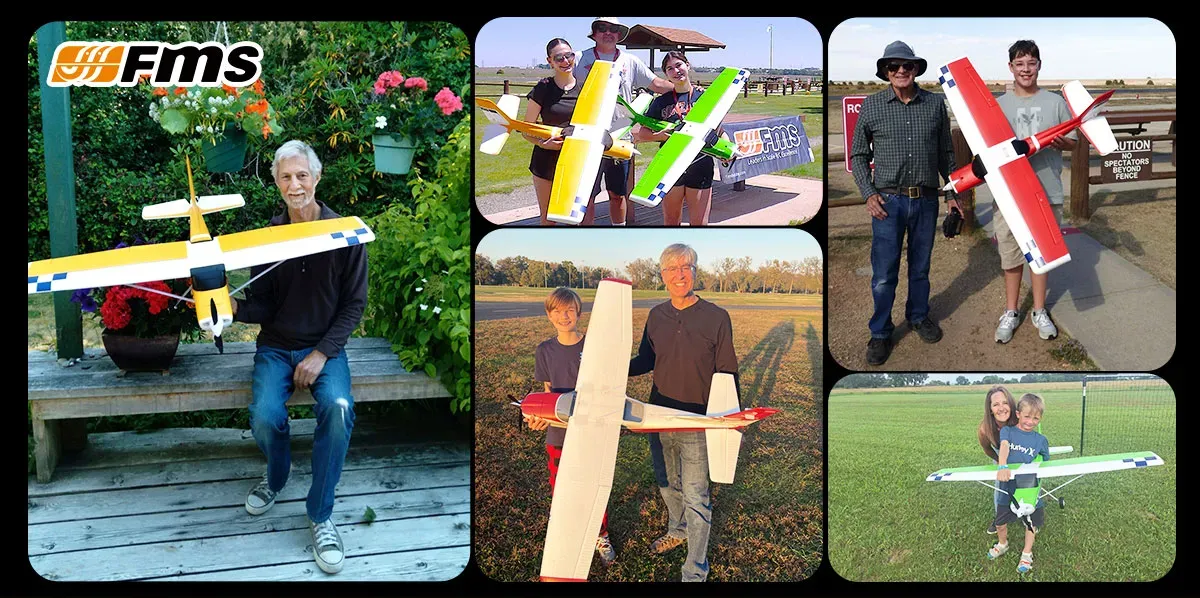
Adult learners benefit most from forgiving aerodynamics and straightforward assembly rather than complex scale detailing or extreme airspeeds. Your initial platform should build muscle memory that easily transfers to advanced sport aircraft.
A high-wing configuration is the industry standard for trainers because the fuselage weight hangs below the wing, providing natural pendulum stability. Incorporating wing dihedral helps the aircraft automatically roll back to level flight when control sticks are centered.
Visual orientation is equally vital. Ultra-micro planes can disappear quickly against tree lines or grey clouds, making a wingspan between 1100mm and 1400mm ideal for maintaining attitude awareness at distance.
Control schemes dictate your long-term progression. While basic three-channel setups handle rudder and elevator, a four-channel airplane introduces independent aileron control, teaching coordinated turns and crosswind corrections from day one.
Package types determine setup complexity. Ready-to-Fly (RTF) packages bundle the pre-assembled airframe, radio transmitter, receiver, flight battery, and USB charger. Conversely, Plug-and-Play (PNP) versions include factory-installed brushless motors, electronic speed controls (ESCs), and servos, requiring pilots to supply their own radio system and batteries.
How Budget Affects Your Initial Setup
Evaluate your total setup investment rather than looking solely at the base model price tag, ensuring all necessary ground-support gear is accounted for.
| Budget Priority | Recommended Configuration | Primary Tradeoff |
|---|---|---|
| Lowest upfront cost | Compact RTF trainer | Reduced wind resistance and limited transmitter expansion |
| Simplified out-of-box setup | Full-size RTF bundle | Bundled radio system cannot easily store multiple model profiles |
| Long-term flexibility | PNP airframe with computer radio | Higher initial investment and manual binding configuration |
| Low-maintenance ownership | Modular airframe with stocked parts | Component replacements still contribute to overall operating cost |
Initial Investment
A complete beginner budget includes the aircraft, transmitter, receiver, LiPo flight packs, a multi-chemistry balance charger, and basic field tools. Sourcing two or three matched LiPo batteries ensures continuous flight rotations without field-charging delays.
Long-Term Operating Costs
Ongoing hobby expenses typically include replacement propellers, nose gear struts, foam-safe CA glue, and field club memberships. Investing in an open-protocol transmitter early lowers the purchase cost of future PNP models.
Spare Parts Availability
Before selecting an airframe, verify that the manufacturer actively stocks critical wear components like motor shafts, cowls, control horns, and wing sets. The FMS RC aircraft parts finder allows pilots to locate factory-matched spares quickly, ensuring minor landing mishaps do not permanently ground your plane.
Match Your Trainer to Your Flying Field
Select your flying site before choosing an airframe. Runway dimensions, turf height, surrounding obstacles, and local wind corridors dictate necessary model size and landing gear style.
Within the United States, ensure all flight operations strictly comply with federal regulations outlined in the FAA recreational flying rules, including operating under a community-based safety code and maintaining constant visual line of sight.
Public Parks
Local municipal parks can accommodate lightweight park flyers when local bylaws permit model aviation and the field provides clear separation from bystanders. Pilots should reference official FAA B4UFLY services to confirm that local airspace is clear of airport control zones or temporary flight restrictions (TFRs).
Club Fields
Joining an established chartered RC flying club offers paved runways, dedicated pit tables, and experienced flight instructors. Remember that all recreational pilots flying in the US must pass the FAA TRUST exam and carry their certificate, accessible via the FAA TRUST testing portal.
Open Rural Spaces
Expansive private land provides ample recovery airspace. Ensure ground vegetation is short enough for rolling takeoffs, or choose an airframe suitable for hand launches. Because open fields encounter sustained gusts, review RC plane wind limits before attempting maiden flights.
Durable Airframe Construction and Impact Resistance
A reliable trainer combines energy-absorbing EPO foam with reinforced landing gear and modular components that simplify field repairs.

EPO Foam Engineering
Modern Expanded Polyolefin (EPO) foam delivers high impact resistance and smooth aerodynamic surfaces. Clean breaks can be quickly repaired using foam-safe medium CA glue or epoxy without warping the airframe structure.
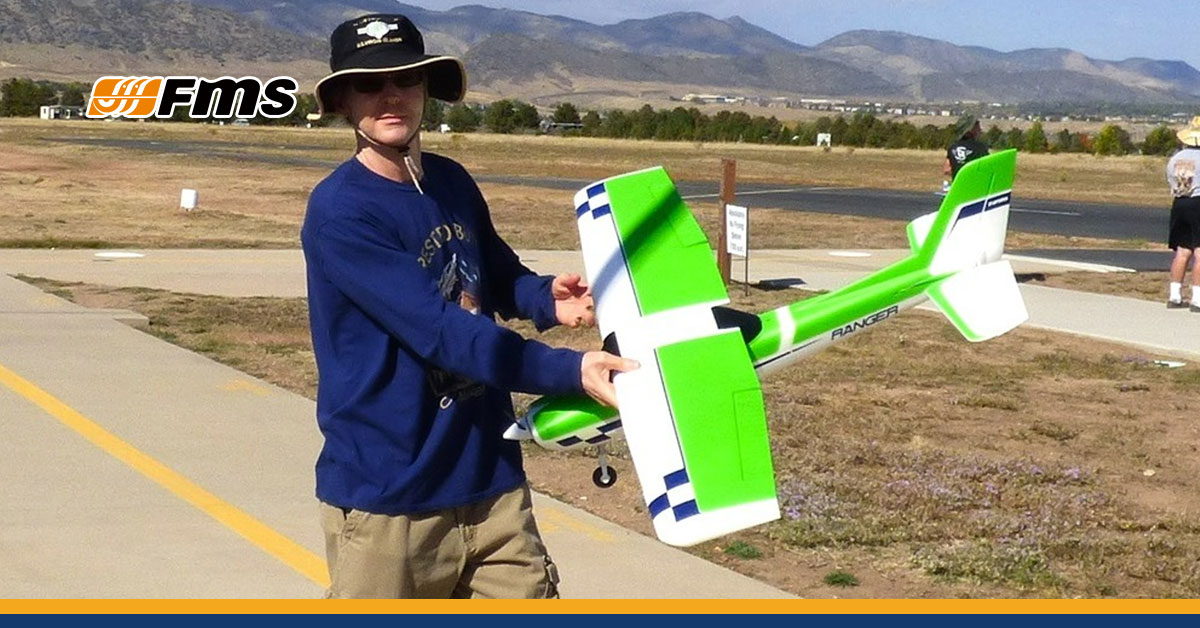
The FMS 1220mm Ranger V2 represents an ideal trainer standard, featuring an impact-resistant EPO airframe, high-wing dihedral geometry, heavy-duty tricycle metal landing gear, and a spring-cushioned nose strut designed to handle rough grass landings.
Pre-Flight Inspection and Repair Rigidity
Inspect all control clevises, pushrods, wing bolts, and propeller balances before every session. Following any repair, always verify that the manufacturer's recommended center of gravity (CG) has not shifted.
Combining Flight Simulators with Physical Trainers
Utilizing a flight simulator accelerates the learning curve by developing muscle memory without risking airframe damage.
Developing Stick Reflexes
Simulators build instinctive stick inputs, particularly when the aircraft is flying toward the pilot and steering controls feel inverted. FMS provides structured beginner flight guidance and resources to help pilots transition smoothly from screen to field.
Multi-Axis Gyro Flight Stabilization
Modern flight controllers reduce beginner workload significantly. The integrated FMS Reflex V3 gyro system provides three flight modes: Stabilized (auto-leveling and bank angle limits), Optimized (wind gust compensation), and Manual (full aerobatic control), allowing pilots to dial back assistance as their skill develops.
Progression Beyond Your First Trainer
Advance to low-wing sport planes or scale models once you can perform consistent rectangular circuits, smooth power-on landings, crosswind crab corrections, and calm go-around decisions without electronic stabilization.
Explore the full range of trainer and progression models in the FMS beginner RC airplane collection to find an airframe matching your skill progression.
Frequently Asked Questions About Adult RC Trainers
Can an adult learn to fly an RC airplane without an instructor?
Yes. By pairing a high-wing trainer equipped with modern gyro stabilization (such as Reflex V3) with flight simulator practice, beginners can learn solo in open fields during calm wind conditions.
Does every trainer RC airplane require FAA registration in the US?
Airframes with an all-up takeoff weight of 250 grams (0.55 lbs) or greater require FAA recreational registration before flying outdoors.
Do beginner trainer planes require Remote ID modules?
Recreational aircraft weighing over 250 grams must utilize broadcast Remote ID unless operated exclusively inside an FAA-Recognized Identification Area (FRIA), as outlined on the FAA Remote ID portal.
How many battery packs should a beginner purchase?
Starting with two or three compatible LiPo packs offers 20 to 30 minutes of total flight time per field session while allowing packs adequate time to cool between charges.
What is the maximum wind speed a beginner trainer can handle?
Beginner flights should be limited to steady breezes under 8 to 10 mph (13–16 km/h). Higher wind speeds create turbulent surface shears that complicate landing glide slopes.