

Hobby-grade RC cars are engineered for precision driving, modular repairability, and long-term ownership, whereas toy RC cars prioritize simple, low-cost entertainment. The ideal choice depends on driving frequency, desired control resolution, and willingness to perform routine mechanical maintenance. While an entry-level toy model suffices for casual living-room play, a hobby-grade platform gives serious enthusiasts room to develop real-world driving technique, tune suspensions, and replace individual worn components.
Hobby-Grade and Toy RC Cars Serve Different Purposes
These two categories fulfill distinctly different user expectations. Toy models make remote-control driving instantly accessible with minimal setup, while hobby-grade RC cars transform driving, tuning, and preventative maintenance into an engaging, long-term hobby.

Toy RC Cars Emphasize Simple Entertainment
Toy RC cars are built for rapid unboxing and casual recreational use. Driving controls are frequently simplified to basic on/off forward, reverse, and full-lock left or right steering inputs. This straightforward layout suits younger children, festive gifts, and casual hobbyists who prefer not to manage battery chemistries, gear mesh tolerances, or suspension geometries.
Minimal financial and technical commitment is the primary advantage of a toy vehicle. Most models are sold as fully integrated packages requiring zero technical assembly or specialized tooling. This makes them sensible introductory choices when evaluating a child's genuine interest before investing in premium equipment.
However, practical limitations surface as soon as a component wears out or breaks. Toy models generally rely on a single molded plastic unibody chassis with hardwired electronics boards, meaning genuine replacement parts are virtually nonexistent. Before purchasing, verify whether the manufacturer offers an exploded parts diagram and standalone drivetrain components, as purchase price alone does not define build grade.
Hobby RC Cars Offer Control and Growth
Hobby-grade vehicles provide authentic proportional throttle and steering. Millimeter-level trigger movements produce smooth, incremental speed changes, and progressive steering wheel inputs yield clean, calculated arcs. This refined control allows drivers to position tires precisely over rock ledges, maintain traction across loose dirt sweepers, and prevent sudden traction loss on throttle application.
A vehicle's underlying modular architecture is equally crucial. Key systems—including the drive motor, electronic speed controller (ESC), radio receiver, high-torque steering servo, oil-filled shocks, and transmission gears—operate as independent, serviceable assemblies. This modular construction ensures that diagnosing electrical issues and swapping mechanical links is standard hobby practice rather than a vehicle-retiring failure.
Getting started in the hobby does not require building from bare screws. Many ready-to-run (RTR) RC cars arrive completely pre-assembled with the multi-channel transmitter factory bound. Buyers should always double-check the packing manifest, as specific models still require separate drive batteries, dedicated balance chargers, or standard AA transmitter cells.
| Decision Factor | Toy RC Car | Hobby-Grade RC Car |
|---|---|---|
| Best Use Case | Casual, low-commitment indoor play | Skill development, trail running, and track racing |
| Control Precision | Often non-proportional (all-or-nothing input) | Fully proportional digital throttle and steering |
| Repair & Parts | Disposal-oriented; lack of spare parts | Full schematic diagrams with modular replacement spares |
| Chassis Layout | Integrated one-piece toy chassis | RTR, factory pre-built rolling chassis, or unbuilt kits |
| Tuning Capability | Fixed suspension, steering, and gearing | Adjustable camber, toe, shock oil, springs, and gearing |
| Cost Over Time | Low initial purchase; discarded upon failure | Moderate initial cost; sustained value via repairs and upgrades |
Build Quality Separates the Two RC Types
True build quality is reflected in engineering design, polymer grade selection, manufacturing tolerances, and long-term serviceability—not simply whether a chassis contains shiny cast metal. A well-designed hobby vehicle uses distinct materials tailored to specific mechanical loads, ensuring high-stress suspension parts flex on impact while drivetrain components stay rigid.
Materials Used in Hobby RC Cars
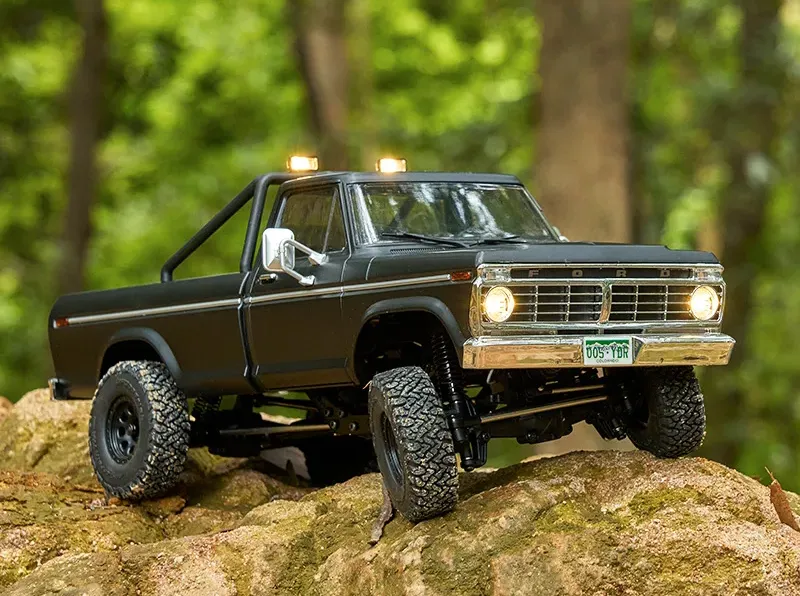
Hobby-grade chassis blend fiber-reinforced composite plastics with precision metal hardware, rubber-sealed ball bearings, steel drive shafts, and aluminum suspension links. Composite plastic is intentional engineering: flexible composite arms absorb high-speed crash energy without permanently bending, whereas hardened steel gears and drive axles deliver maximum shear strength and rotational durability.
Body construction also mirrors vehicle purpose. High-speed stadium trucks and basher buggies utilize flexible, shatter-resistant polycarbonate (Lexan) shells that deform during rollovers and spring back to shape. In contrast, scale trail crawlers utilize injection-molded ABS hard bodies complete with opening doors, clear windows, and realistic light buckets for authentic scale realism.
Never rely solely on promotional buzzwords like "full metal upgrade." Instead, review the manufacturer's exploded schematics, official user manuals, and genuine replacement parts directories. These documents prove whether the transmission contains proper ball bearings, whether the shocks feature serviceable O-ring seals, and whether suspension hinge pins are sold separately.
Durability Matters for Frequent Driving
Durability becomes paramount when running vehicles across challenging outdoor surfaces. Repeated high-speed runs generate persistent mechanical wear: tires abrade, spur gears accumulate silica dust, hinge pin screws loosen under vibration, and suspension arms absorb harsh shock loads. A serviceable, modular chassis allows the driver to swap out a single worn spur gear or rod end before it damages neighboring components.
Environmental conditions determine operating longevity just as much as chassis materials. A technical rock crawler walking slowly along forest roots experiences high torque loads, while an off-road basher jumping dirt mounds absorbs severe shock spikes. Water resistance also has strict technical boundaries: splash-resistant electronics can manage damp grass, but they will fail if submerged under water. Always clean away trail grit and dry all steel hardware thoroughly after wet runs.
Before purchasing, confirm the ongoing availability of common wear items like steering knuckles, suspension arms, and drive cups. A vehicle designed for easy mechanical repair provides significantly greater lifetime value, provided genuine spare parts remain stocked and accessible.
Performance Differences Appear During Real Driving
The gap between toy and hobby performance is defined by dynamic chassis response and predictability rather than exaggerated box-art top speeds. High-resolution radio protocols, tuned suspension rebound, tire rubber compounds, and proper weight distribution combine to create responsive handling.
Motors and Electronics Shape the Experience
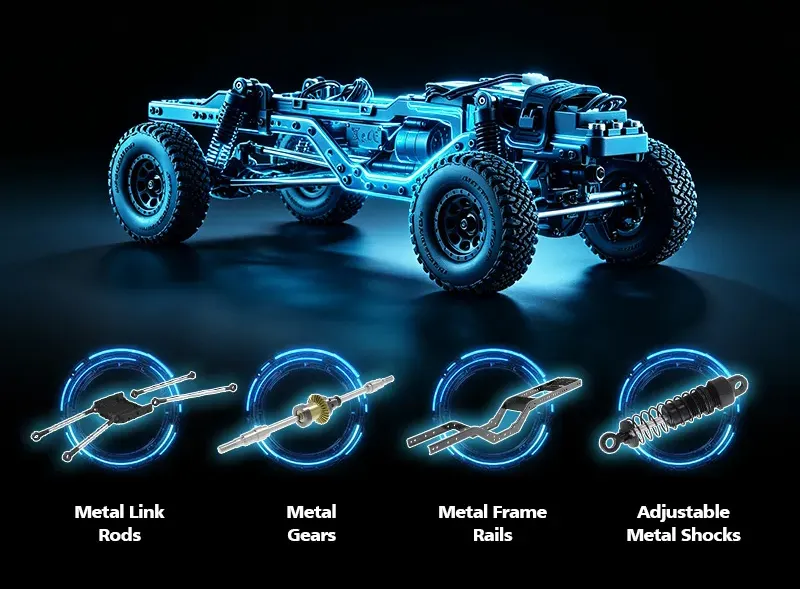
Toy vehicles typically utilize an all-in-one printed circuit board that combines the receiver, speed controller, and steering motor drive to lower manufacturing costs. Hobby vehicles generally separate these core components, allowing users to swap a damaged steering servo or upgrade an ESC without replacing the entire radio system.
Brushed electric motors are widely utilized in scale crawlers and entry-level trucks, offering smooth low-RPM throttle control, straightforward wiring, and cost-effective torque. Modern brushless motor systems deliver exceptional electrical efficiency, higher top speeds, and extended motor life by eliminating mechanical brushes. However, raw horsepower alone does not define a hobby model, and excessive speed often overwhelms a new driver's reaction time.
Battery safety and proper chemistry management are essential aspects of hobby-grade ownership. Always charge packs using an approved balance charger, monitor charging cycles actively, and safely isolate any battery that becomes damaged, dented, or swollen. The U.S. Consumer Product Safety Commission highlights critical high-energy battery fire hazards, emphasizing that end-of-life or damaged battery cells must never be discarded in regular household trash or municipal curbside recycling bins. Reference the U.S. EPA used lithium-ion battery guidance to handle tape-insulated battery terminals and locate certified drop-off hazardous waste facilities.
Suspension and Steering Feel More Responsive
A dedicated steering servo with an integrated servo saver returns the front wheels to dead center instantly after a corner. Modern hobby radio transmitters offer fine-tuning dials such as digital steering trim and dual-rate adjustments, allowing drivers to reduce high-speed steering sensitivity and eliminate tracking drift right from the driver's stand.
Functional suspension keeps all four tire contact patches glued to uneven ground during sharp directional changes. Independent double-wishbone suspension lets each wheel track ruts without unsettling the opposite tire, whereas multi-link solid portal axles excel on scale rock crawlers requiring extreme articulation. Threaded, oil-filled aluminum shock absorbers provide countless suspension tuning adjustments to match varying surfaces.
Always align your vehicle platform with your local terrain. A dedicated RC rock crawler prioritizes low-speed crawl ratios, high ground clearance, and ultra-sticky tread. On-road touring cars require low ride heights and sticky slick tires, whereas an off-road truck strikes the perfect balance between high-speed ground clearance and rough-terrain stability. The best RC vehicles for beginners are those sized appropriately for your regular driving venue rather than simply the fastest option on paper.
Maintenance and Upgrades Change Long-Term Ownership
Preventative maintenance and modular upgrades represent the fundamental difference in the RC ownership experience. Owning a hobby-grade model involves regular chassis inspections, cleaning, minor linkage repairs, and setup changes that extend operational lifespan by years.
Replacement Parts Extend Vehicle Life
A brief pre-drive and post-drive checklist keeps small issues from escalating. Verify that wheels spin freely without grit binding, that steering linkages cycle smoothly without slop, that wheel hex nuts are tight, and that battery pack casings are intact. Clear grass cuttings and coarse gravel away from drive shafts and outdrives after every run.
When an unexpected trail break happens, cross-reference the failed part against the user manual's exploded diagram. Models within the same vehicle line often share visual similarities across different chassis revisions or drive types. Match the part number exactly in the manufacturer's parts directory. Stocking high-wear items such as spare wheel hex pins, spur gears, and tie-rod ends minimizes unexpected downtime at the track.
Proper battery care requires equal discipline. Always charge packs on fire-resistant surfaces, disconnect plugs immediately after driving, and store packs in fire-resistant bags at correct storage voltages. According to the EPA used household battery guidance, users should always identify battery chemistries and contact original equipment manufacturers for disposal protocols when dealing with compromised cells.
Beginner Upgrades Should Solve Real Problems
The most effective initial upgrade for a beginner is seat time on the stock setup. Run the stock platform through several battery cycles to pinpoint real mechanical limitations before buying aftermarket components. Blindly bolting heavy metal parts onto a light chassis shifts the center of gravity, introduces unwanted drivetrain stress, and can degrade overall handling.
Meaningful early upgrades focus on specific performance bottlenecks: surface-matched tire compounds, high-torque digital metal-gear steering servos, or heavier shock damping oil. When a vehicle regularly bottoms out on rough tracks, tuning spring rates or shock oil weight resolves the issue quickly without expensive aftermarket spending.
The FMS platform architecture provides an excellent benchmark for beginner-friendly modular design. The FMS 1:18 FSC18 Ford Bronco RTR EB is engineered with both brushed and brushless motor configurations. Its factory layout features full-time four-wheel drive, four-wheel independent suspension, front and rear anti-roll bars, a quick-release scale body, and an extensive catalog of factory spare parts. A new enthusiast can master throttle discipline with the brushed RTR version, knowing that full schematic parts support is available for future repairs or brushless conversions.
Choose the RC Car That Matches Your Goals
Choose your RC car around where you will drive and how much time you want to spend maintaining it. Toy RC cars are well suited for casual entertainment with zero repair obligations. Conversely, investing in hobby-grade RC cars makes long-term sense when proportional control, component repairability, and mechanical tuning match your goals. Before checking out, make sure the model fits your driving space, includes fully proportional electronics, and has a transparent spare parts catalog. Discover the complete range of FMS RC cars and trucks and compare versatile ready-to-run RC models to kick off your driving journey.
FAQs About Hobby-Grade RC Cars and Toy RC Cars
Q1. Are Hobby-Grade RC Cars Suitable for Children?
Yes, provided the vehicle's speed and weight match the child's age, fine-motor coordination, and adult supervision level. Many hobby transmitters feature throttle-limiting switches (such as 50% or 75% power modes), allowing younger drivers to learn throttle control safely in confined spaces.
Q2. Does RTR Mean Everything Is Included?
Not always. While RTR vehicles arrive fully assembled with the motor, ESC, servo, and receiver installed, some packages require you to provide AA transmitter batteries, a dedicated LiPo or NiMH drive battery, or a compatible balance charger. Always verify the "Needed to Complete" checklist on the official product page.
Q3. Can a Toy RC Car Be Upgraded?
Rarely without extensive fabrication. Toy models utilize integrated circuit boards and non-standard gearboxes that cannot accept standard hobby servos, separate ESCs, or modular gear sets. Upgrading an inexpensive toy typically costs more in custom modifications than buying a dedicated, repairable hobby-grade chassis.
Q4. How Much Workspace Does RC Maintenance Require?
A simple, well-lit tabletop with a magnetic parts tray and basic metric hex drivers is all you need for 1/10-scale and mini RC platforms. Keeping your workspace organized prevents small screws and axle pins from getting misplaced during chassis cleaning.
Q5. Should a Beginner Choose Brushed or Brushless Power?
For technical rock crawlers and younger drivers, a brushed motor system offers smooth low-speed control, predictable acceleration, and great affordability. Brushless systems are recommended when top speed, track racing efficiency, and low motor maintenance are the primary requirements.