Thinking about getting into RC cars, or looking to level up your current collection? It is a fantastic hobby! However, beginners are immediately confronted with unfamiliar terms like 1/10 scale, 1/18 scale, and 1/5 scale. Choosing the right scale is critical because it directly dictates driving dynamics, terrain compatibility, top speed, durability, and total investment cost.
This guide breaks down the core differences between small-scale and large-scale RC cars so you can choose the ideal platform for your driving style and space.
What Do Those RC Car Scale Numbers Mean?
RC car scale numbers are fractions representing the model's size relative to a full-size vehicle. For instance, a 1/10 scale car is approximately one-tenth the size of the actual truck or car it replicates. The general rule is straightforward: the smaller the denominator number after the slash, the larger the RC model physically is.
Hobbyists generally categorize scales into two primary groups:
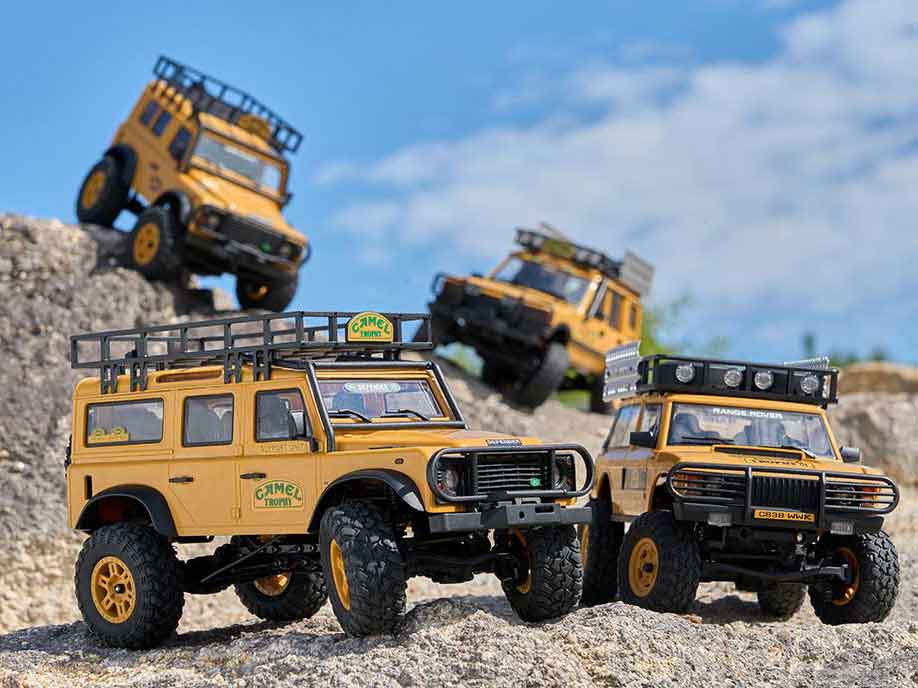
- Small-Scale Models: Typically includes 1/18, 1/24, and micro 1/28 scales. These compact vehicles feature highly detailed scale bodies, exemplified by the FMS Hobby FCX18 Land Cruiser and palm-sized FCX24 micro crawlers.
- Large-Scale Models: Broadly encompasses popular 1/10 platforms, high-powered 1/8 racing buggies, and massive 1/5 gas or electric basher rigs.
Small-Scale RC Cars Provide Compact Powerhouses
Small-scale RC cars offer tremendous fun in a portable package and serve as an accessible entry point into the hobby. They provide exceptional value, with many high-quality ready-to-run (RTR) models priced under $200. Their small footprint makes them ideal for indoor driving—you can navigate living rooms, finish basement crawl courses, or construct custom obstacle tracks on a tabletop when weather conditions prevent outdoor bashing.
Because of their low overall weight, micro models exhibit remarkable agility on smooth surfaces like hardwood, tile, and packed asphalt. However, compact proportions involve engineering trade-offs. Top speeds are typically modest, maxing out around 15–25 mph for micro trail models, which may feel underwhelming if you prioritize blistering straight-line speed. Additionally, miniature ground clearance means tall grass, thick gravel, and deep mud can easily stall small chassis.
- Durability Factors: Lightweight composite suspension components require thoughtful handling and are not designed for extreme skate-park jumps or high-impact collisions.
- Upgrade Scope: While aftermarket brass weights, custom wheels, and high-clearance links are widely available, major motor and electronic swaps are more physically constrained compared to 1/10 platforms.
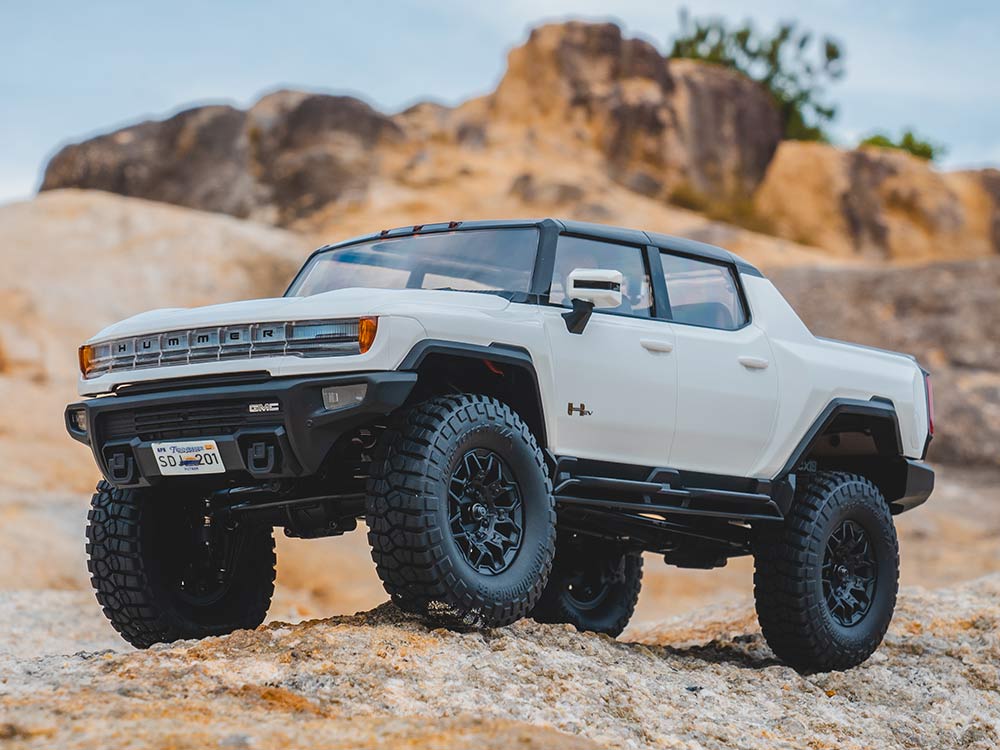
Large-Scale RC Cars Give Dominating Performance
Stepping up in size delivers substantial gains in speed, terrain capability, and overall track presence, catering to drivers who demand high-intensity bashing and racing.
Pros of Large-Scale Models
- High Speed and Raw Output: Large models, specifically 1/10 and 1/8 scale platforms equipped with high-efficiency brushless motor systems, easily exceed 50 mph out of the box, with high-voltage setups pushing 70+ mph.
- Rugged Durability: Constructed with heavy-duty aluminum chassis plates, steel drive cups, and large-bore oil shocks, large rigs withstand punishing jumps, off-road cartwheels, and rough bashing sessions.
- Extensive Customization: Larger scales feature unmatched aftermarket support. Drivers enjoy vast opportunities for upgrades, including programmable ESCs, high-torque servos, tuned sway bars, and custom belted tires.
Cons of Large-Scale Models
- Higher Financial Investment: Quality 1/10 and 1/8 models typically start between $300 and $600, while giant 1/5 scales exceed $1,000. Multi-cell high-discharge LiPo batteries and balance chargers also add to initial overhead.
- Space Requirements: High-speed rigs require large spaces like local parks, dedicated dirt tracks, or empty parking lots to safely stretch their legs.
- Steeper Learning Curve: The immense speed and heavy momentum of large RC cars demand fast reaction times and careful throttle management to prevent costly crashes.
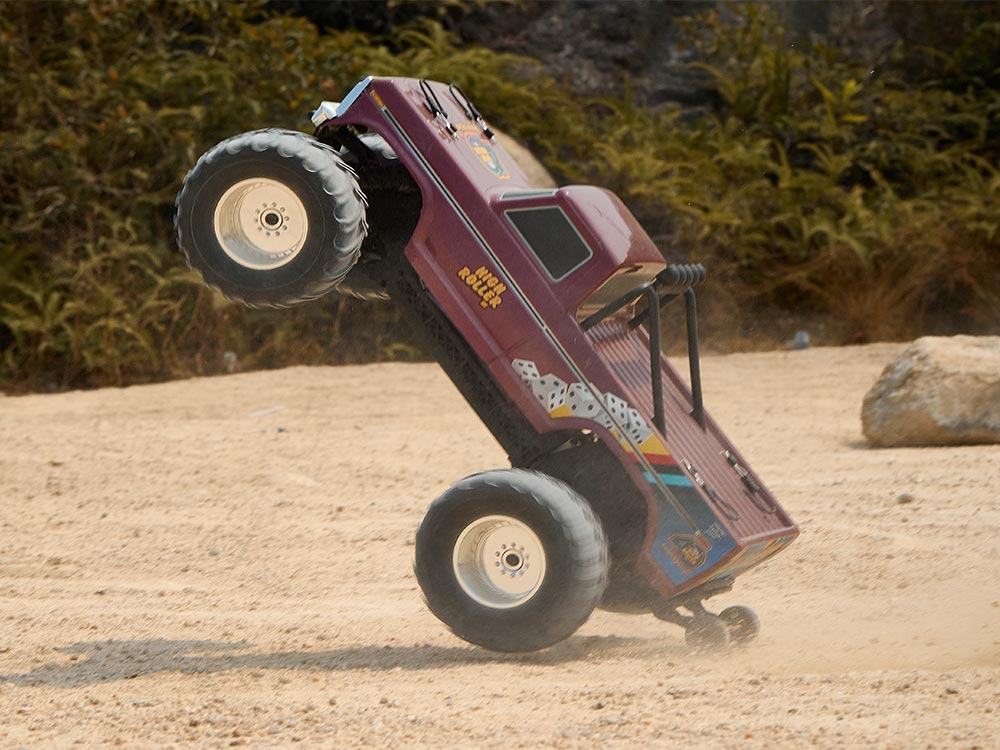
Small vs Large Scale RC Cars: Speed, Terrain, and Control
When comparing platforms directly, size heavily influences where and how you can drive. In raw velocity, large brushless models dominate open spaces with blistering top speeds. Small-scale crawlers, conversely, prioritize low-speed modulation, crawl ratios, and technical line choices over top-end pace.
Terrain versatility is another major differentiator. Small-scale models such as 1/18 scale RC cars excel indoors, on smooth driveways, and on engineered rock garden courses, but they struggle in uncut grass and loose dirt. Large-scale models leverage wide wheelbases, substantial tire carcass volumes, and plush suspension setups to easily roll over thick grass, gravel pits, sand dunes, and rutted trails.
Handling and control also present distinct appeals. Compact mini cars feature tight turning radiuses, making them deeply engaging for technical indoor circuits. Larger models possess substantial physical inertia, providing high-speed directional stability and predictable aerial leveling across big jump transitions.
Small vs Large Scale RC Cars: Match Scale to Your Needs
The ideal vehicle scale depends on your living environment and intended use. Compact platforms such as the FMS FCX18 series and FCX24 series are ideal for beginners, indoor hobbyists, and trail enthusiasts who want convenient, grab-and-go fun. Their lower operating speeds reduce crash risk while teaching essential throttle discipline.
Conversely, large-scale models cater to enthusiasts focused on sanctioned competition and outdoor bashing. Formal off-road racing sanctioning bodies, such as ROAR competitive racing rules, center their championship divisions around 1/10 and 1/8 classes. If your goal involves sending massive airs off dirt berms, tackling rugged forest trails, or fine-tuning suspension geometry, a 1/10 scale platform provides the durability and tuning versatility you need.
Choose the Right RC Cars: Key Things to Consider
Before purchasing your next rig, evaluate these core factors:
- Available Budget: Small-scale ready-to-run kits generally range from $80 to $200. High-performance 1/10 and 1/8 ready-to-run basher packages start around $350, with extra allowances needed for dedicated LiPo balance chargers and spare parts.
- Running Space: Assess where you will realistically drive most often. If your primary space is a living room, garage, or small suburban yard, small-scale models offer maximum utility. If you have access to open fields, BMX tracks, or local clubs, large scale is the natural fit.
- Driving Experience: Starting with a durable, precision-geared micro crawler like an FMS 1/18 crawler builds control confidence before operating high-speed 4S/6S brushless bashers.
- Primary Objective: Clarify your goal—whether it is relaxed indoor obstacle crawling, scale trail exploration, hardcore all-terrain bashing, or organized club racing.
There is no universally superior scale—only the scale that fits your lifestyle. Whether you prioritize the compact agility of small-scale micro crawlers or the commanding power of large-scale bashers, selecting the right size ensures long-term enjoyment in the RC hobby.