

Crashing is an inevitable part of the learning curve in this hobby. Fortunately, modern technology has given us EPO (Expanded Polyolefin) foam. This material is incredibly resilient, forgiving, and easy to repair. Unlike balsa wood, which shatters into splinters, foam often breaks cleanly or just compresses. Knowing what to expect when gravity wins—and how to fix it—can save you hundreds of dollars and keep you in the air. This guide breaks down the most common failure points, the simple repair techniques every pilot should know, and the realistic costs of maintaining your rc plane.
What Parts Break First On EPO Foam RC Planes?
Understanding where planes break allows you to reinforce them before a crash or check them quickly after one. The impact energy usually travels through the airframe to specific weak points.
Wing Root Stress Points
The most common break occurs where the wing meets the fuselage. In a hard landing or a cartwheel, the leverage of the long wing snaps the foam at the root. You might see a clean break or stress fractures (wrinkles) in the foam skin. These wrinkles indicate that the internal structure is weakened, even if the wing is still attached.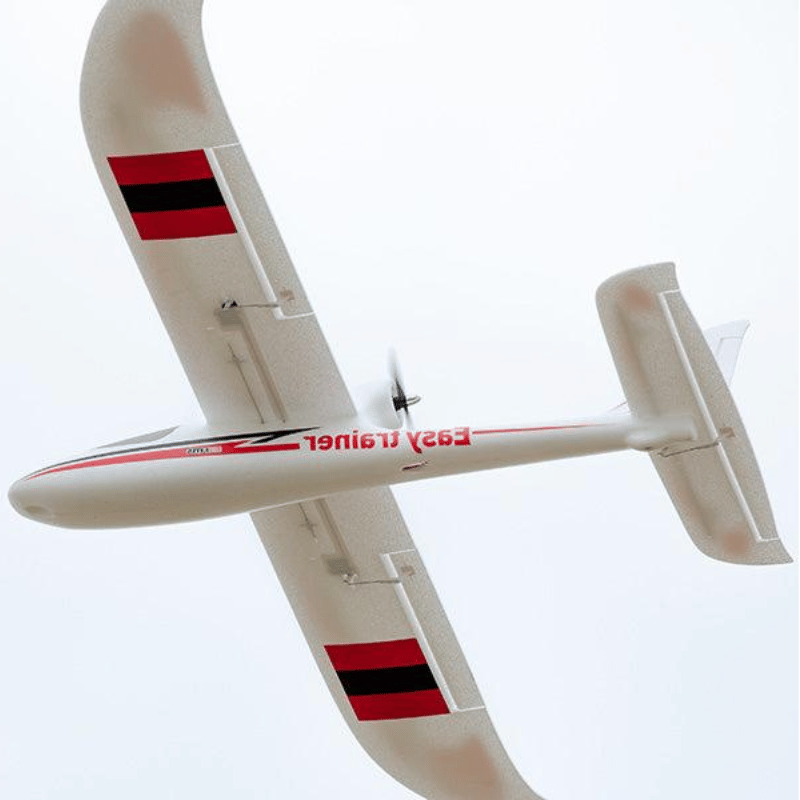
Landing Gear Mounting Areas
Landing gear mounts are notoriously fragile on rc planes. They are usually plastic plates glued into the foam. A rough landing rips the entire plate out, taking a chunk of foam with it. This is often the first repair a new pilot will perform.
Nose And Propeller Impact Zones
The nose takes the brunt of most crashes. On a nose-first impact, the foam compresses like an accordion. This can misalign the motor mount, causing vibration. The propeller shaft often bends, and the propeller itself is the most frequently replaced consumable part on any radio-controlled airplane.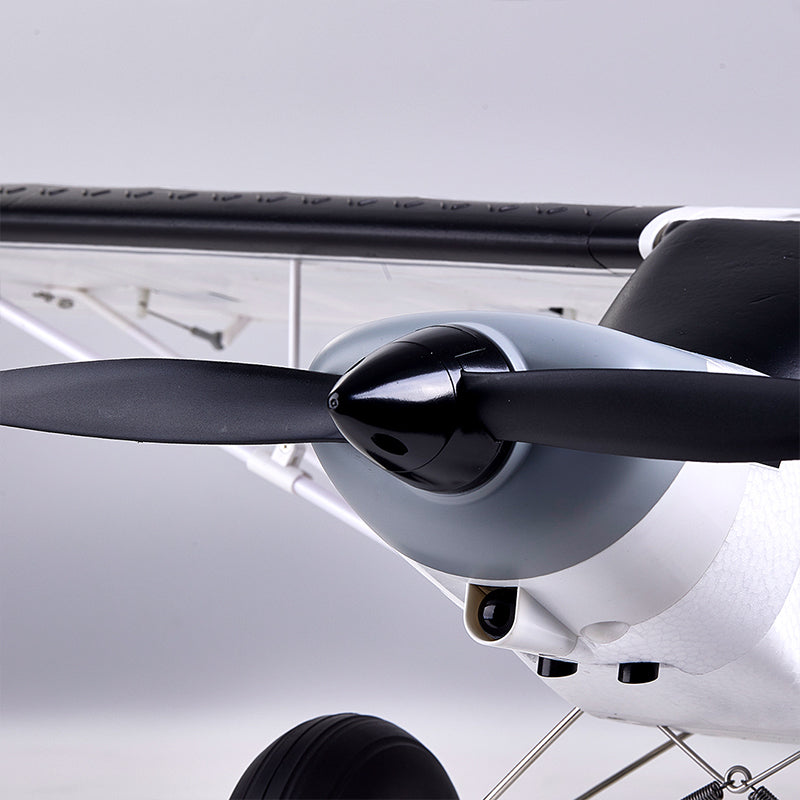
Tail Section Vulnerability
The tail is lighter and thinner than the rest of the plane. During transport or a "hanger rash" incident (bumping it into a doorframe), the horizontal or vertical stabilizers can snap. In the air, flutter caused by high speed can also tear a tail surface off if the hinges are weak.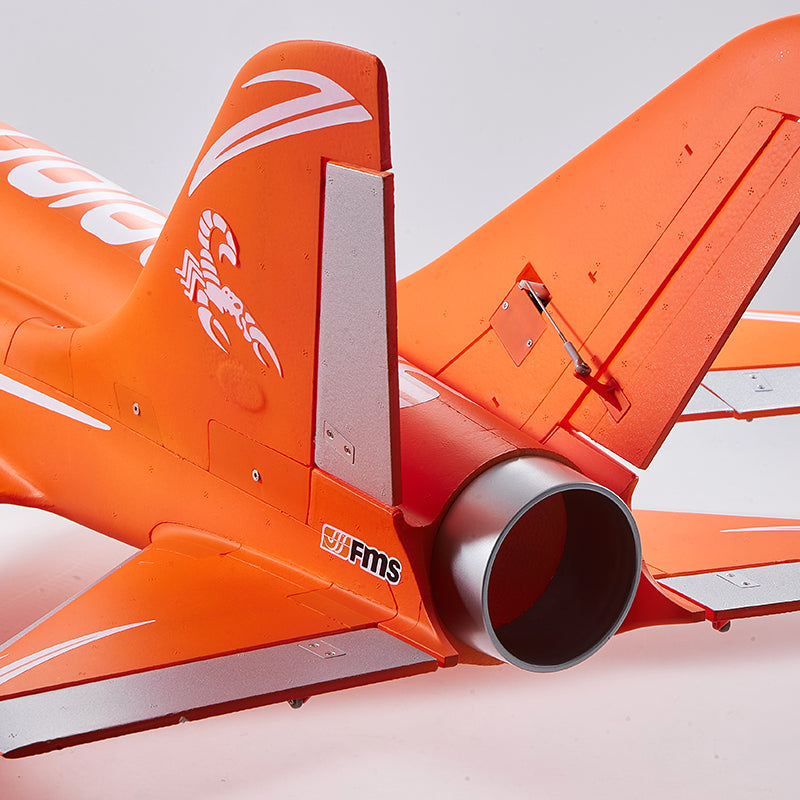
How Do You Fix Common EPO Foam Damage?
Repairing EPO foam is surprisingly simple. You do not need a workshop full of tools. A few basic adhesives and household items are sufficient for 90% of repairs.
CA Glue Bonding Techniques
Cyanoacrylate (CA) glue, also known as super glue, is the gold standard for rc flying repairs. For EPO foam, you can use regular CA, but "foam-safe" CA is safer if you are unsure of the material. Apply a medium-thick CA to one side of the break and spray a "kicker" (accelerator) on the other. Press the parts together for 10 seconds, and the bond is often stronger than the original foam.
Hot Glue Quick Repair Solutions
Low-temp hot glue is excellent for field repairs because it remains slightly flexible. It fills gaps well, making it perfect for reattaching landing gear plates where foam chunks are missing. However, it is heavy, so use it sparingly on tail sections to avoid messing up the center of gravity.
Toothpick And Skewer Internal Supports
Glue alone works for surface cracks, but structural breaks need reinforcement. Insert wooden toothpicks or bamboo skewers into the foam across the break line before gluing. These act like rebar in concrete, adding immense strength to repaired wings or fuselages. This technique is essential for RC planes for beginners that see frequent abuse.
What Does It Cost To Repair Starter Planes?
One of the biggest advantages of foam aircraft is the low cost of ownership. You can crash, fix, and fly again for pennies compared to balsa or composite models.
Basic Repair Kit Investment
A complete repair kit costs about $15 to $20. This includes a bottle of thick CA glue, a bottle of kicker spray, and a roll of clear packing tape or hinge tape. This kit will last for dozens of repairs.
Replacement Part Pricing
Sometimes a part is too smashed to fix. A replacement wing set for a typical best starter rc plane costs between $20 and $40. A new fuselage might cost $30 to $50. Propellers are cheap, usually around $3 to $5 each.
DIY Versus Pre-Made Component Costs
DIY repairs are virtually free if you have the glue. Buying pre-made replacement parts adds up. If you break the same wing three times, learning to glue it costs $0.50 in materials, whereas replacing it three times costs $90. Financially, learning to repair is the smartest move for any hobbyist.
Which Repairs Should Beginners Learn First?
You do not need to be a master modeler. Focus on mastering three specific repairs that will cover the majority of your early mishaps.
Simple Wing Break Fixes
Learn to glue a snapped wing back together using the toothpick method. Ensure the alignment is perfect before the glue sets. If the wing is crooked, the rc plane will never fly straight again.
Landing Gear Reattachment
Since beginners bounce landings often, learning to glue landing gear plates back in is vital. Use hot glue or epoxy for this, as it fills the voids left by the ripped-out foam better than CA glue.
Control Surface Hinge Repairs
Foam hinges eventually tear. Learn to create a "tape hinge." Apply a strip of clear packing tape along the top and bottom of the control surface gap. This creates a flexible, indestructible hinge that often works better than the factory foam hinge.
Conclusion
EPO foam has revolutionized the hobby by making durability affordable. It turns a catastrophic crash into a five-minute repair job. By understanding the weak points of your aircraft and keeping a simple repair kit handy, you remove the fear of crashing. This confidence allows you to push your skills further and enjoy the thrill of rc flying without worrying about your wallet. Glue it, tape it, and get back into the sky—your plane can take it.
FAQs
Is EPO Foam Better Than Balsa For Beginner RC Planes?
Yes. EPO absorbs impact energy and bounces back, whereas balsa wood crunches and shatters. EPO is easier to glue back together at the field, allowing you to get back in the air minutes after a crash.
Can You Fly An RC Plane With Repaired Wings Safely?
Absolutely. A properly glued wing with internal reinforcements (spars or skewers) is often stronger than the original piece. Just ensure the weight of the glue doesn't unbalance the plane laterally.
How Many Crashes Can A Typical EPO Radio-Controlled Airplane Survive?
There is no hard limit. As long as the electronics work and the airframe is straight, it can fly. Many pilots have "Frankenstein" planes that are more glue than foam but still fly perfectly well.
What Is The Most Expensive Part To Replace On RC Planes?
The electronics are usually the most expensive components. A receiver or a high-quality motor can cost more than the foam airframe itself. Protect these parts by ensuring they are securely mounted and shielded from direct impact.
Should You Buy Spare Parts Before Flying Your Best Starter RC Plane?
It is wise to buy at least two extra propellers and a tube of glue when you buy your plane. You will break a prop; it is just a matter of when. Having one on hand saves you from waiting for shipping.