

One of the first questions I always get when people see me at the field with one of my birds is, "Wow, that looks cool! Is that an expensive hobby?" It's a fair question, and the honest answer is… it depends. Like many passions, you can dip your toes in or dive headfirst into the deep end. Let's break down what it really costs to get your wings in the RC world.
How to Define "Expensive"
First off, "expensive" is pretty subjective, right? What one person considers a significant investment, another might see as pocket change. Compared to collecting stamps, yes, RC planes can be more expensive. Compared to owning a full-scale aircraft or a high-performance sports car, it's practically a bargain!
The key thing to understand is that the cost of RC flying isn't a single, fixed number. It’s a spectrum, and you have a lot of control over where you land on that spectrum, especially when you're starting out. We're talking about a hobby that can range from a couple of hundred dollars to get airborne to tens of thousands for the truly dedicated (and well-funded) enthusiasts.
Get Your Wings: The Initial Setup Costs
To get started, you’ll need a few key components. This is where your initial main investment will be.
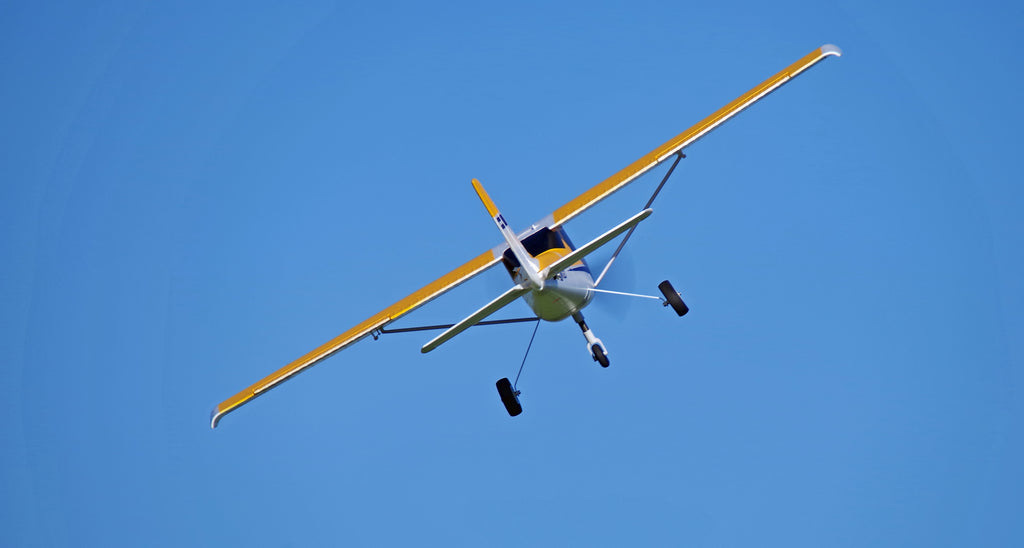
- The Plane Itself: This is the biggest variable. You can find beginner-friendly, durable foam electric trainers (often called "foamies") for anywhere from $100 to $300. These often come as "Ready-to-Fly" (RTF) packages that include almost everything you need. More advanced balsa wood kits or larger scale models will cost significantly more.
- The Transmitter (Radio Controller): A decent entry-level transmitter might be included in an RTF package, or you might buy one separately for $60 to $200. More sophisticated transmitters with more channels and programming features can run from $300 to well over $1000.
- Batteries and Charger (for electric planes): LiPo batteries for electric planes typically cost 20−100+ each, depending on size and capacity. You'll want at least two or three. A good quality charger can range from $40 to $150.
- Fuel and Support Equipment (for glow/gas planes): If you opt for an internal combustion engine, you'll need fuel (around 20−40 gallons), a glow starter, and potentially an electric starter.
So, for a basic electric setup, you could realistically be looking at around 200−500 to get everything you need for your first flights.
Keeping It Airborne: Ongoing Expenses
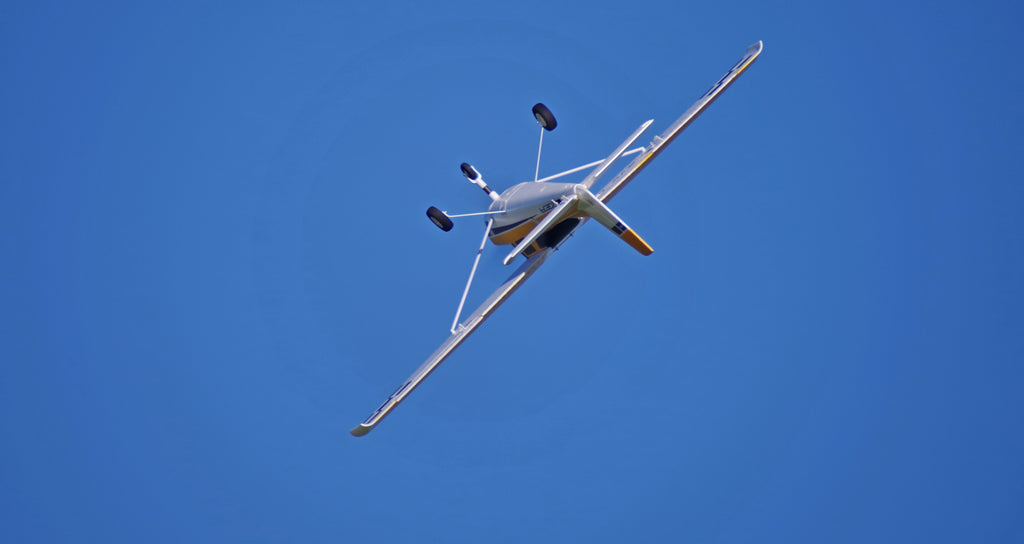
Once you have your initial gear, there are ongoing costs to consider. These aren't usually gigantic per flight, but they add up over time. For electric flyers, the biggest ongoing cost is electricity for battery charging, which is pretty minimal. You will also likely need to replace batteries at some point over time as they age and lose effectiveness.
For glow or gas engine airplane pilots, fuel is an ongoing expense. A gallon of glow fuel might well last you through several flights, depending on the size of your engine and how frequently you fly. There are spark plugs, after-run oil, and normal engine maintenance, too.
And, of course, crashes do happen, especially when you're in learn-at-breakneck-speed mode. So, it's a good idea to budget for spare parts like propellers (yes, you will break a few!), landing gear, or even new wing sections. Glue and building materials will also find their way onto your shopping list occasionally.
The "Crash Factor" and Repair Costs
Ah, the inevitable "unscheduled landing." It's part of the hobby, folks. No RC pilot, no matter how experienced, has a perfect record. The cost of repairs can vary wildly. A broken propeller on a foamie might cost you $5. A more serious crash involving a balsa wood plane could mean replacing wing ribs, fuselage sections, and control surfaces, which could cost 50−200+ in materials and a fair bit of your time.
This is where choosing a durable beginner plane really pays off. Foam planes are incredibly resilient and often easy to repair with some specific foam-safe glue. Learning basic repair skills is almost a sub-hobby in itself and can save you a ton of money compared to always buying new parts or complete airframes.
The Club Scene: Fees and Benefits
Most RC pilots are members of a local club. Club membership is typically an annual fee, $50 to $200+, location and facilities dependent. While this is a cost, the payback is typically well worth it.
Clubs provide the use of a guaranteed, secure flight site, usually with a clean runway. More importantly, they provide an association of experienced pilots who can provide invaluable guidance, flight instruction, and help with repairs and troubleshooting. That counsel can save you a great deal of money in avoided wrecks and bad purchases. And the social aspect is great!
When It Can Get Seriously Pricey
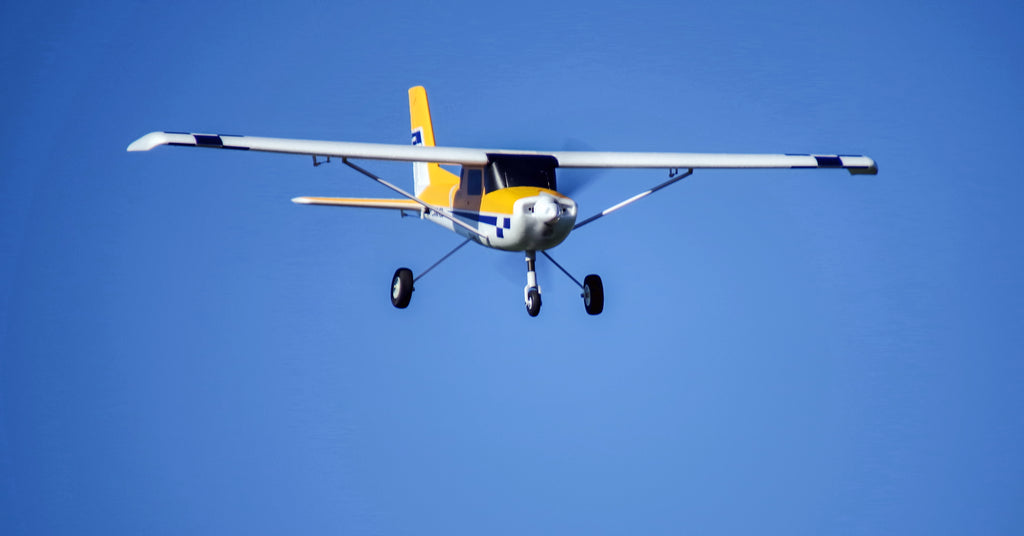
Thus far, we've mostly talked about entry-level to mid-level flight. But RC aviation has an upscale side, and it can be very expensive if you choose to do it that way. We're talking giant-scale aerobatic planes with huge gasoline engines, very highly detailed scale versions of warbirds or airliners, and even jet turbine-powered planes.
A large gasoline engine alone will power 500−2000+. A jet turbine engine? You're looking at $2,000 to $5,000+, just for the engine. The airframes alone for these types of models can be thousands of dollars, and the sophisticated electronics, servos, and radio systems in addition. Even competitive flying on a high level has travel, entry fees, and typically multiple high-performance airplanes. This is the realm of serious hobbyists with deep pockets.
Smart Ways to Manage Costs
The good news is that there are plenty of ways to enjoy this hobby without breaking the bank.
- Start with a budget-friendly, durable trainer. Foamies are your friend!
- Buy used gear. Many pilots upgrade, and you can often find good-quality planes and radios at a discount.
- Learn to repair your own planes. It’s a valuable skill and much cheaper than replacing them.
- Simulators are a great investment. For around 100, a good RC flight simulator lets you practice and "crash" endlessly without any real-world cost.
- Join that club! The advice and help you get can save you a fortune in the long run.
Is RC Plane Worth It?
So, is RC plane flying an expensive hobby? It certainly can be, if you want it to be. But it doesn't have to be. You can get started and have a tremendous amount of fun for a few hundred dollars. The key is to be smart about your purchases, learn from others, and embrace the DIY aspect of repairs. For the joy of flight, the challenge, the community, and the sheer satisfaction of seeing something you control take to the skies, many of us find it’s worth every penny. Fly smart, and keep those wings level!