

Seleccionar los neumáticos adecuados es, sin duda, la mejora más impactante que puedes hacer a tu vehículo. Un vehículo de serie con goma premium a menudo superará a un camión altamente modificado con neumáticos baratos. El proceso implica más que simplemente elegir un patrón de banda de rodadura atractivo. Debes equilibrar la mezcla de goma, la densidad de la espuma y el tamaño para adaptarse a tu entorno de conducción específico. Esta guía desglosa los factores esenciales a considerar, ayudándote a maximizar el rendimiento de tu crawler RC en cualquier terreno.
¿Qué Compuesto de Neumático Funciona Mejor Para Diferentes Terrenos de Escalada RC?
El "compuesto" se refiere a la mezcla química de la goma. Determina qué tan pegajoso y blando es el neumático. Los fabricantes suelen codificarlos como Blando, Medio o Duro (o con puntos de color específicos).
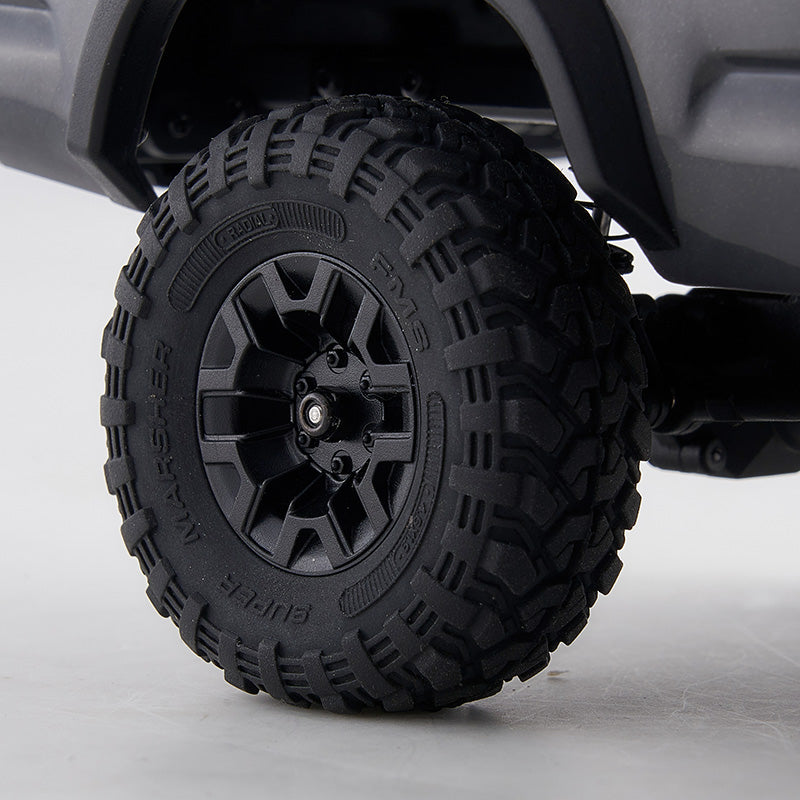
Características de Rendimiento del Compuesto Blando
Para escalada en roca pura, los compuestos blandos son el estándar de oro. Son increíblemente pegajosos y flexibles, permitiendo que los bloques de la banda de rodadura se adapten a los bordes irregulares de las rocas para máxima tracción. Sin embargo, se desgastan rápidamente en superficies abrasivas como el concreto o el asfalto. Si conduces principalmente en cursos técnicos de roca, un compuesto blando es esencial para que los crawlers de roca RC mantengan agarre en pendientes pronunciadas.
Versatilidad de Compuestos Medios y Duros
Los compuestos medios ofrecen un equilibrio. Proporcionan un agarre decente en rocas, pero son lo suficientemente duraderos para conducir por senderos a través de tierra y raíces. Son menos propensos a doblarse bajo el peso de un vehículo pesado durante giros a alta velocidad. Los compuestos duros rara vez se utilizan para escaladas de competición, pero son excelentes para el uso general o camiones de escala muy pesados donde la longevidad del neumático es la prioridad sobre el agarre máximo.
Efectos de la Temperatura en el Agarre de la Goma
La temperatura juega un papel importante. En clima frío, la goma se endurece. Un neumático medio puede sentirse como plástico duro en invierno, perdiendo toda tracción. Por el contrario, en calor extremo, un neumático blando puede volverse demasiado "blando", causando que la pared lateral colapse. Elige un compuesto más blando si conduces frecuentemente en climas más fríos para compensar la caída de temperatura.
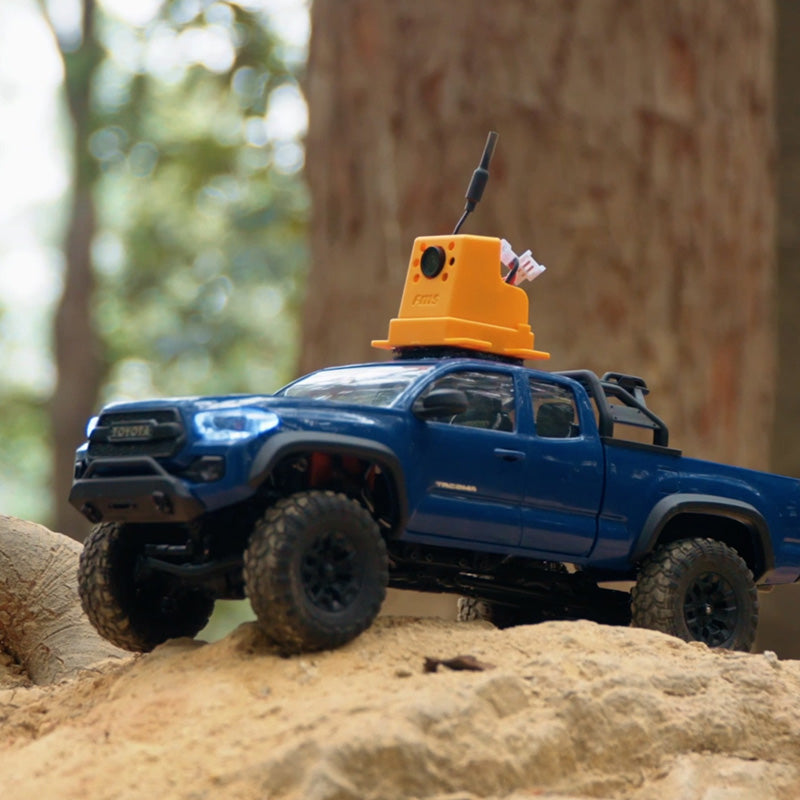
¿Cómo Afectan los Insertos de Espuma el Rendimiento de los Neumáticos de Crawler RC?
El inserto de espuma dentro del neumático actúa como la presión de aire en un neumático de automóvil real. Soporta el peso del vehículo y controla cómo se deforma el neumático.
Si la espuma es demasiado blanda, el neumático se aplastará completamente, haciendo que la llanta golpee el suelo y no ofrezca estabilidad en la pared lateral. Esto conduce a un manejo impredecible en pendientes laterales. Si la espuma es demasiado dura, el neumático rebotará en los obstáculos en lugar de adaptarse a ellos. Necesitas una densidad que soporte el peso del camión mientras permite que la banda de rodadura se adapte a las rocas.
Para los entusiastas serios de la escalada RC, los neumáticos de dos etapas son la mejor opción. Estos cuentan con un anillo interno rígido para soportar la pared lateral y una capa externa blanda para permitir la adaptabilidad de la banda de rodadura. Esta configuración te brinda lo mejor de ambos mundos: estabilidad en pendientes laterales y excelente agarre en subidas técnicas. Es una inversión que vale la pena para cualquier construcción orientada al rendimiento.
¿Qué Características de los Neumáticos Son Más Importantes Para el Éxito en la Escalada de Rocas RC?
Más allá de la química de la goma, el diseño físico del neumático dicta cómo interactúa con el suelo.
Directrices para la Selección del Patrón de Banda de Rodadura
Los tacos grandes y ampliamente espaciados son excelentes para tierra suelta y barro porque se limpian fácilmente. Los patrones de banda de rodadura más ajustados con más área de superficie son mejores para roca resbaladiza (como la arenisca), donde el parche de contacto es rey. El siping (cortes pequeños en los bloques de la banda de rodadura) aumenta el número de bordes de agarre, lo cual es crucial para condiciones húmedas o heladas.
Importancia de la Flexibilidad de la Pared Lateral
La pared lateral necesita flexionarse para permitir que el neumático "se expanda" y aumente la huella. Sin embargo, también necesita bordes de agarre. Muchos neumáticos de alta gama cuentan con tacos que se extienden por la pared lateral. Estos tacos laterales proporcionan tracción crítica cuando estás atrapado entre dos rocas o tratando de salir de un surco profundo.
Ancho del Neumático y Parche de Contacto
Los neumáticos más anchos ofrecen un parche de contacto más grande para flotar sobre arena suave o nieve. Los neumáticos "cortadores de pizza" más estrechos aumentan la presión sobre el suelo, lo que ayuda a excavar hasta encontrar tracción sólida en suelo suelto o barro. Para la escalada general en roca, un ancho moderado ofrece un buen compromiso entre estabilidad y espacio de dirección.
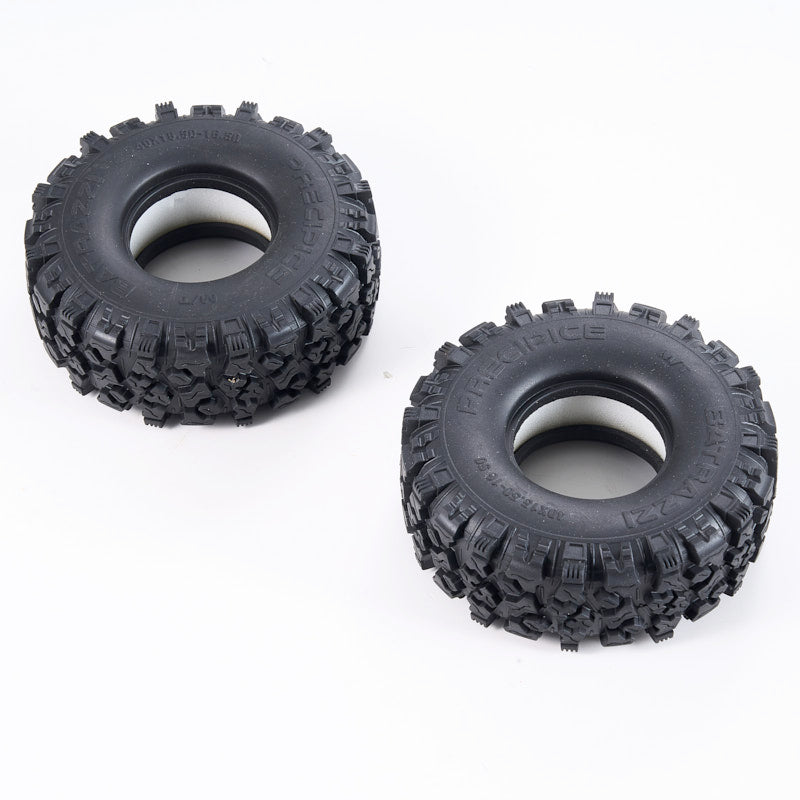
¿Cómo Debes Combinar los Neumáticos con la Configuración de Tu Kit de Crawler RC?
Tu elección de neumáticos debe alinearse con las limitaciones mecánicas y capacidades de tu vehículo específico.
Consideraciones de Peso y Potencia
Los camiones de escala pesados y realistas necesitan espumas más rígidas y potencialmente goma más firme para evitar que los neumáticos se doblen. Los buggies de competición ligeros pueden funcionar con configuraciones extremadamente blandas. Además, los sistemas brushless de alta potencia pueden destrozar neumáticos blandos; es posible que necesites un compuesto más duradero si conduces de manera agresiva.
Viaje de Suspensión y Tamaño de Rueda
Los neumáticos más grandes superan los obstáculos más fácilmente, pero crean problemas. Los neumáticos grandes pueden rozar contra la carrocería o los enlaces de suspensión, limitando tu radio de giro y articulación. Antes de comprar los neumáticos más grandes disponibles, revisa tus pasos de rueda. Puede que necesites recortar la carrocería o instalar un kit de elevación. Asegurarte de la compatibilidad con tus kits de crawler RC evita la frustración de atascos y roces durante tu primer viaje.
Conclusión
La configuración de neumáticos adecuada transforma las capacidades de tu máquina. Es la forma más efectiva de mejorar el rendimiento sin cambiar la electrónica o las piezas de suspensión. Al comprender la relación entre los compuestos de goma, la densidad de la espuma y el diseño de la banda de rodadura, puedes adaptar tu vehículo para conquistar cualquier terreno. Ya sea que estés construyendo a partir de kits de crawler RC o mejorando un viejo favorito, priorizar goma de alta calidad asegura que tu vehículo encuentre tracción cuando más lo necesita. Combina tus neumáticos con tu entorno y disfruta del control y la capacidad mejorados en tu próxima aventura.
Preguntas Frecuentes
P1: ¿Los Neumáticos de Crawler RC Caros Realmente Rinden Mejor?
Generalmente, sí. Los neumáticos premium utilizan compuestos de goma avanzados que ofrecen un agarre superior en comparación con los neumáticos duros y similares al plástico que se encuentran en vehículos RTR (Listo para Correr) de bajo costo. La inversión produce ganancias de rendimiento inmediatas en el sendero.
P2: ¿Con Qué Frecuencia Debes Reemplazar los Neumáticos de los Crawlers RC?
Depende del uso. Si conduces a diario sobre rocas abrasivas, los neumáticos blandos pueden durar solo unos meses. Para conducción casual en senderos de tierra, un juego puede durar años. Reemplázalos cuando los bordes de la banda de rodadura se redondeen y pierdan su "agarre".
P3: ¿Puedes Mezclar Diferentes Compuestos de Neumáticos en el Mismo Crawler RC?
Sí. Algunos conductores utilizan neumáticos más blandos en la parte delantera para ayudar a levantar el camión en los bordes y neumáticos un poco más duros en la parte trasera para proporcionar estabilidad y evitar que el camión se voltee hacia atrás en subidas pronunciadas.
P4: ¿Deberían los Principiantes Comenzar con Neumáticos de Compuesto Blando o Medio?
Un compuesto blando es generalmente el mejor punto de partida para un crawler dedicado. Proporciona gratificación instantánea al hacer que las líneas difíciles sean más fáciles, lo que anima a los nuevos conductores a seguir practicando y aprendiendo técnicas de escalada RC.
P5: ¿Cuál es la Mejor Manera de Acondicionar Nuevos Neumáticos de Escalada RC?
Simplemente conducirlos es el mejor método. Algunos aficionados aceleran el proceso lavando los neumáticos con Simple Green o lijando ligeramente la banda de rodadura para eliminar el agente de liberación del molde de la fábrica. Esto expone la goma fresca y pegajosa que hay debajo.