

Llevar tu afición de volar al lago ofrece un conjunto completamente nuevo de desafíos y recompensas. Mientras que el cielo sigue siendo el mismo, la pista cambia drásticamente. El agua es una superficie dinámica que perdona algunos errores pero castiga a otros. Si estás acostumbrado a pistas de hierba o pavimento, la transición a un hidroavión RC requiere conocimientos específicos para mantener tus electrónicos secos y tu estructura intacta. Esta guía proporciona consejos esenciales para asegurar que tu primer aterrizaje en el agua sea un éxito, cubriendo todo, desde la selección del modelo adecuado hasta dominar el arte del despegue en el agua.
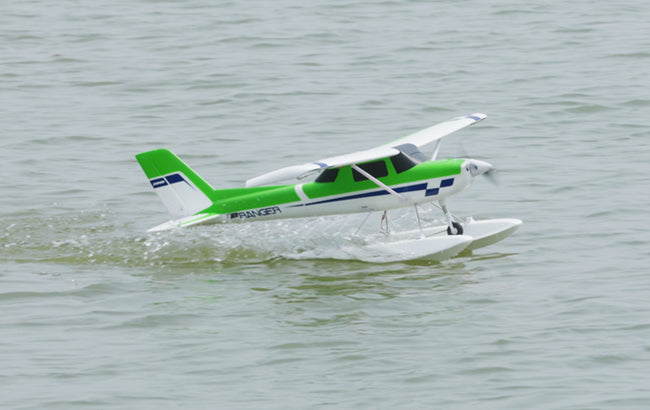
Descubre la emoción única de volar hidroaviones RC
Volar sobre el agua es visualmente impresionante pero técnicamente exigente. A diferencia del suelo sólido, tu pista está en constante movimiento. La fricción del agua es significativamente mayor que la de las ruedas sobre asfalto, lo que afecta la aceleración. Además, una vez que el avión aterriza, el vuelo no ha terminado. Debes taxiar de regreso a la orilla sin el lujo de los frenos.
La preparación es crítica. Cuando vuelas en un campo, una batería muerta significa una caminata de vergüenza. En un lago, una batería muerta significa que tu hidroavión RC se está alejando con la corriente. Debes tener en cuenta el viento, las corrientes de agua y el riesgo de ingreso de agua antes de encender el transmisor.
Selecciona los mejores hidroaviones RC para principiantes
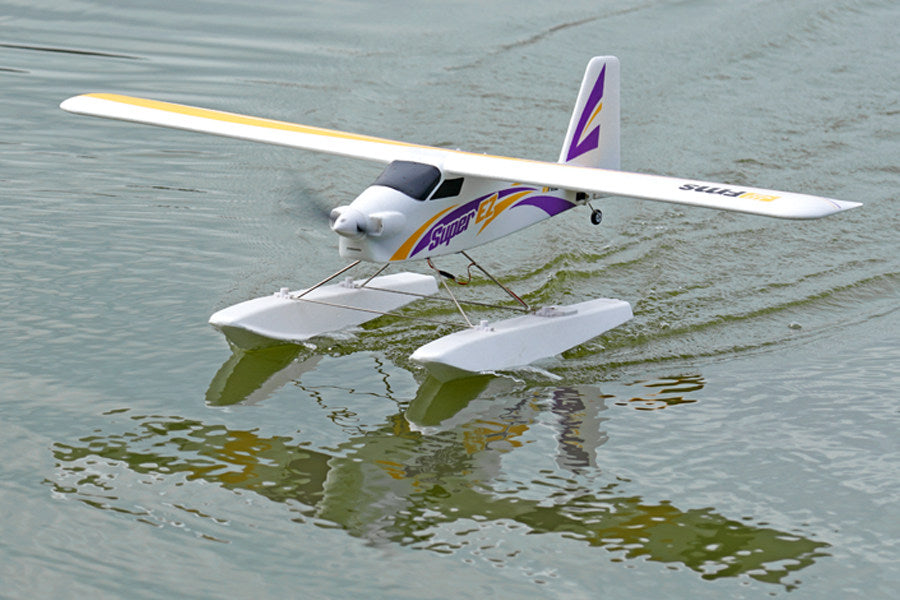
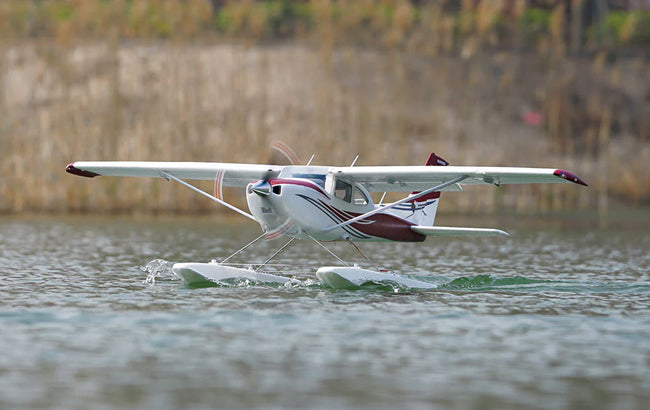
Si eres nuevo en el vuelo sobre agua, la estabilidad es tu mejor amiga. Los entrenadores de ala alta son universalmente recomendados como los mejores hidroaviones RC para principiantes. La colocación de la ala alta mantiene el fuselaje y los electrónicos más alejados del agua salpicante. Marcas como FMS son conocidas por producir aviones de espuma de alta calidad que son duraderos y fáciles de volar, lo que los convierte en plataformas excelentes para aprender operaciones en el agua.
No es necesario comprar un barco volador dedicado. Muchos entrenadores estándar pueden ser convertidos utilizando flotadores de avión RC de posventa. Al elegir flotadores, asegúrate de que sean del tamaño correcto para tu modelo. Si los flotadores son demasiado pequeños, se hundirán bajo el peso. Si son demasiado grandes, actuarán como velas en el viento, dificultando el control del avión en el aire.
Domina métodos esenciales para impermeabilizar electrónicos RC
El agua y la electricidad son enemigos. Incluso un pequeño salpicón puede cortocircuitar un receptor o arruinar un controlador de velocidad. Impermeabilizar los electrónicos RC es un paso obligatorio antes de tu primer vuelo. El receptor es el cerebro de tu aeronave; protégelo envolviéndolo en un globo o colocándolo dentro de una caja de plástico impermeable. Usa una brida para sellar la abertura alrededor de los cables.
El Controlador Electrónico de Velocidad (ESC) genera calor, por lo que no puede estar completamente sellado en una caja sin flujo de aire. En su lugar, trata la placa de circuito con un recubrimiento conformado o un spray impermeabilizante especializado como CorrosionX. Para los servos, aplica grasa marina alrededor del eje de salida y las juntas de la caja. Esto evita que el agua se filtre en los engranajes y el motor. Revisa todos los conectores y considera usar tubos termocontraíbles o cinta eléctrica para sellar contactos metálicos expuestos.
Elige la ubicación y condiciones ideales para vuelos sobre agua
Encontrar el lugar adecuado es la mitad de la batalla. Necesitas un cuerpo de agua tranquilo con fácil acceso a la costa. Evita áreas con corrientes fuertes, mucho tráfico de barcos o muchos nadadores. Las primeras horas de la mañana suelen ser el mejor momento para volar hidroaviones RC porque el viento suele ser más bajo.
Mira la superficie del agua. El agua cristalina y perfectamente calma puede ser en realidad difícil porque crea alta tensión superficial, dificultando que los flotadores se liberen. Un ligero oleaje es ideal. Sin embargo, las grandes olas son peligrosas para modelos pequeños. Siempre identifica la dirección del viento antes de despegar. Debes despegar y aterrizar directamente contra el viento para mantener el control y minimizar la velocidad en el suelo (o velocidad en el agua).
Domina las técnicas de taxi y dirección en el agua
En el agua, tu avión se comporta como un barco. Sin un timón de agua, dirigir a bajas velocidades es casi imposible porque no hay flujo de aire sobre el timón de cola. Un timón de agua es una pequeña extensión unida a la parte inferior de uno de los flotadores del avión RC o a la cola del fuselaje. Se sumerge en el agua para proporcionar control direccional durante el taxi.
El viento actúa sobre el estabilizador vertical como una veleta. El avión naturalmente querrá girar su nariz hacia el viento (cabeceo). Al taxiar con viento cruzado, necesitarás usar el timón opuesto y potencialmente entrada de alerón para mantener las alas niveladas. Si una punta del ala toca el agua, la resistencia hará que el avión gire instantáneamente, a menudo volcando. Mantén tu velocidad de taxi baja y deliberada.
Ejecuta el despegue perfecto de un hidroavión RC
La carrera de despegue es la fase más emocionante. Ocurre en dos etapas distintas. Primero, aplicas el acelerador, y el avión se abre paso a través del agua. La nariz se elevará significativamente. A medida que la velocidad aumenta, los flotadores se elevarán sobre la superficie del agua. Esto se llama "subir al paso".
Una vez que el avión está planeando en el paso, la resistencia disminuye drásticamente. Verás que el rocío se reduce, y el avión acelerará rápidamente. En este punto, resiste la tentación de tirar del elevador hacia atrás. Deja que la velocidad aumente mientras mantienes las alas perfectamente niveladas. Cuando el avión esté listo, una pequeña cantidad de elevador hacia arriba romperá la tensión superficial, resultando en un despegue suave de un hidroavión RC. Si tiras hacia arriba demasiado pronto, la cola de los flotadores se hundirá, creando resistencia y evitando que el avión vuele.
Enfoques y estrategias de aterrizaje para aterrizajes suaves
Aterrizar sobre el agua requiere percepción de profundidad. Uno de los mayores desafíos para los pilotos de hidroaviones RC para principiantes es juzgar la altitud sobre una superficie reflectante. A diferencia de la hierba, el agua refleja el cielo, dificultando ver exactamente dónde comienza la superficie.
Acércate con una trayectoria de descenso suave y mantén un pequeño nivel de acelerador. No apagues completamente el motor como podrías hacerlo en tierra. Necesitas flujo de aire sobre las superficies de control. Apunta a volar el avión sobre el agua en lugar de estrellarlo.
Idealmente, los talones de los flotadores del avión RC deberían tocar primero, seguidos suavemente por el resto del flotador. Si llegas demasiado rápido, el avión podría saltar como una piedra. Si aterrizas de nariz, los flotadores se hundirán, y el avión probablemente volcará hacia adelante (un vuelco de nariz), dejándote con un barco al revés.
Crea planes de recuperación y equipo de seguridad para volar sobre agua
No importa cuán buen piloto seas, eventualmente tendrás un motor parado o un avión volcado. Necesitas un plan de rescate antes de despegar. Nunca, bajo ninguna circunstancia, nades tras un avión parado. La distancia a menudo es engañosa, y la ropa puede pesarte.
El método de recuperación más seguro es un pequeño bote inflable o un kayak. Si no hay un bote disponible, un palo de pescar con una pelota de tenis pesada en la línea funciona maravillas. Lanzas la línea sobre el hidroavión RC a la deriva y la enrollas suavemente de regreso a la orilla. Siempre vuela con un compañero que pueda actuar como observador o ayudar con la recuperación.
Realiza mantenimiento posterior al vuelo para prevenir la corrosión
El agua encontrará su camino hacia todo. Después de tu sesión de vuelo, tu trabajo no ha terminado. Abre las compuertas y desconecta la batería de inmediato. Retira cualquier tapón de drenaje en los flotadores del avión RC para dejar escapar el agua atrapada.
Usa una toalla para secar el exterior y deja las compuertas abiertas para que el interior se seque al aire. Si vuelas en agua salada, debes enjuagar todo el avión con agua dulce para prevenir la corrosión rápida. Aplica una gota de aceite ligero a los rodamientos del motor y cualquier enlace metálico. Impermeabilizar los electrónicos RC ayuda, pero el mantenimiento regular asegura que el óxido no se agarre a tu motor o corrompa los engranajes de tu servo antes de tu próxima salida.
Preguntas frecuentes
Q1: ¿Necesito un timón de agua para mi hidroavión RC?
Aunque no es estrictamente obligatorio, se recomienda encarecidamente un timón de agua. Sin él, el avión estará a merced del viento al taxiar a bajas velocidades. Hace que maniobrar de regreso a la orilla sea significativamente más fácil y seguro.
Q2: ¿Puedo volar sobre agua salada?
Sí, pero el agua salada es extremadamente corrosiva para los electrónicos y las partes metálicas. Debes ser mucho más riguroso con la impermeabilización de los electrónicos RC y la limpieza del avión después. La mayoría de los pilotos prefieren lagos de agua dulce para evitar el daño acelerado causado por la sal.
Q3: ¿Por qué mi avión tiene problemas para despegar del agua?
Esto a menudo se debe a que el avión no está "subiendo al paso". Asegúrate de que el paso de los flotadores del avión RC esté ubicado ligeramente detrás del centro de gravedad (CG). Si el paso está demasiado adelante o atrás, los flotadores crearán resistencia excesiva y se negarán a planear correctamente.
Q4: ¿Qué pasa si mi receptor se moja?
Si tu receptor se moja, desconecta la energía de inmediato. No intentes encenderlo. Abre la caja si es posible y entiérralo en una bolsa de arroz crudo o usa un paquete deshidratante durante varios días para extraer la humedad. A veces se puede salvar, pero a menudo necesitará ser reemplazado.
Q5: ¿Puedo lanzar a mano un hidroavión RC?
Sí. Si el agua está agitada o tienes problemas con la carrera de despegue del hidroavión RC, puedes lanzarlo a mano. Asegúrate de lanzarlo nivelado y contra el viento con mucho acelerador. Ten cuidado con la hélice giratoria al soltar la aeronave.