
Volando un avión RC desde el suelo es emocionante, pero ver el mundo desde la cabina es transformador. FPV, o Vista en Primera Persona, coloca una cámara en tu aeronave y transmite el video directamente a unas gafas en tu cara. De repente, no solo estás controlando un modelo; eres el piloto. Esta guía desglosa lo esencial del FPV de aviones RC, ayudándote a elegir el avión adecuado, entender el equipo y realizar tu primer vuelo con confianza.
Desbloquea los cielos con la tecnología de Vista en Primera Persona
FPV cambia la experiencia fundamental del vuelo. Volar RC tradicionalmente, conocido como Línea de Vista (LOS), requiere que mantengas tus ojos en el modelo en todo momento. Pilotarás en función de la orientación del avión en relación contigo.
FPV elimina esta restricción. Vuelas en función de lo que "ve" el avión. Esto permite mayores distancias y la capacidad de volar alrededor de obstáculos que bloquearían tu vista desde el suelo. Si bien las carreras de drones hicieron famoso el FPV, FPV de ala fija ofrece una sensación más suave y parecida a la de un pájaro. Deslizarse sobre las copas de los árboles o navegar a través de las nubes proporciona una sensación de velocidad y escala que es única de los aviones.
Selecciona los mejores aviones RC para principiantes para conversión FPV
Al elegir un avión fpv, la estabilidad es clave. Quieres una plataforma que vuele de manera predecible, permitiéndote concentrarte en la transmisión de video.
Estabilidad y capacidad de carga
Busca aviones RC para principiantes con alas altas (alas montadas en la parte superior del fuselaje) o planeadores. Estos naturalmente quieren mantenerse en posición vertical. Además, el avión necesita suficiente espacio interno o "capacidad de carga" para llevar el peso adicional de la cámara, el transmisor y potencialmente una batería más grande.
Hélices de empuje vs Hélices de tracción
La posición de la hélice es significativamente importante para el FPV. Una hélice "de tracción" (montada en el morro) girará directamente frente a tu cámara, creando un parpadeo distractor en tu video. Una hélice "de empuje" (montada detrás del ala) mantiene la vista completamente clara. Para la mejor experiencia visual, los aviones de estilo empuje o los modelos de doble motor son a menudo preferidos.
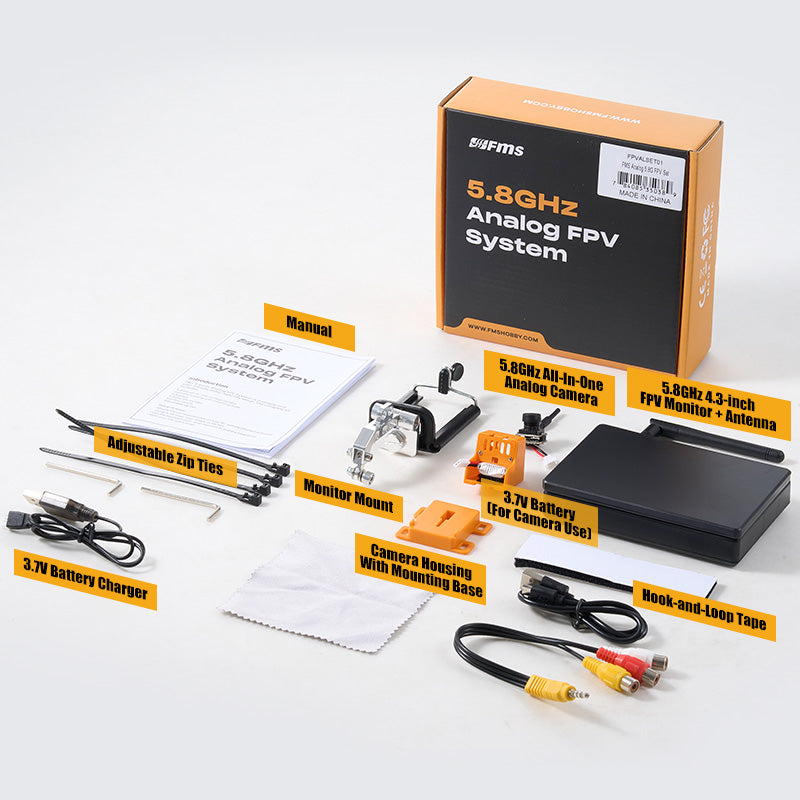
El ecosistema de hardware central de un sistema FPV de avión RC
Un setup FPV para principiantes consiste en cuatro componentes principales que trabajan juntos.
- La cámara: El ojo del sistema.
- El transmisor de video (VTX): Envía la señal de video desde el avión.
- El receptor de video (VRX): Captura la señal en el suelo (generalmente integrado en las gafas).
- La pantalla: Gafas o un monitor que te muestra la imagen.
Estos componentes operan independientemente del sistema de radio que usas para controlar el avión. Esto significa que puedes agregar equipo FPV a casi cualquier avión RC existente sin cambiar tu transmisor o receptor.
Elige la cámara adecuada para tu configuración FPV
La cámara dicta lo que ves. Para volar aviones, generalmente quieres un amplio campo de visión (FOV). Una lente más amplia (como 2.1mm) te permite ver más del horizonte y el suelo, lo que ayuda con la orientación.
Actualmente, hay dos sistemas de video principales. El analógico es la opción tradicional. Es asequible, no tiene retraso notable (latencia) y se degrada de manera elegante (la imagen se vuelve granulada antes de cortarse). Los sistemas digitales (como DJI o Walksnail) ofrecen una claridad de alta definición impresionante, pero son más caros y pueden tener una latencia ligeramente mayor. Para volar RC para principiantes, el analógico es un punto de partida rentable y confiable.
Transmisores de video y gestión de señales
El transmisor de video, o VTX, es el caballo de batalla. Transmite la imagen. Sin embargo, genera un calor significativo.
Gestión del calor y flujo de aire
En un avión, el flujo de aire es tu amigo. Monta el VTX en el exterior del fuselaje o en un área ventilada donde el aire del propulsor o el viento pueda enfriarlo. Si un VTX se calienta demasiado dentro de un fuselaje de espuma, puede reducir su potencia de salida o apagarse durante el vuelo para protegerse.
Polarización de la antena
Las antenas actúan como las manos que captan la señal. La mayoría de los pilotos modernos utilizan antenas de polarización circular (CP), que parecen champiñones. Estas son mejores para rechazar interferencias en comparación con las antenas lineales en forma de palo. Asegúrate de que tu antena de transmisión (en el avión) y la antena receptora (en tus gafas) tengan la misma dirección de polarización (Derecha o Izquierda) para el mejor alcance.
Un paso a paso para la configuración FPV para principiantes
Construir tu sistema implica conectar la cámara al VTX y alimentar ambos.
Cableado básico y alimentación
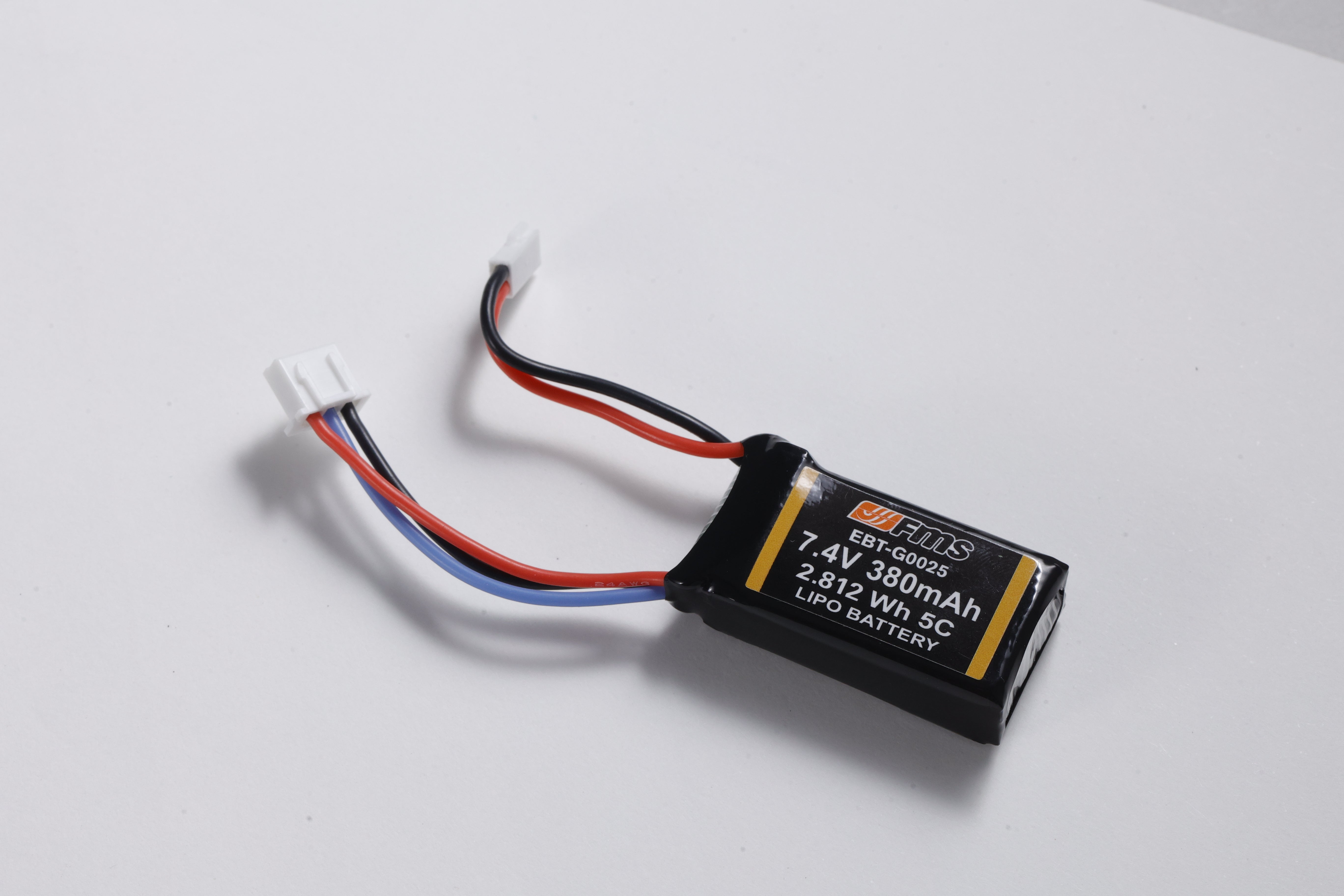
La mayoría de las cámaras y transmisores FPV funcionan con alimentación de 5V a 12V. A menudo puedes alimentarlos directamente desde la batería principal de vuelo de tu avión si los componentes soportan el voltaje. Alternativamente, puedes usar el conector de balance de tu batería LiPo para alimentar una unidad de cámara/VTX todo en uno simple. Este es a menudo el método más fácil para principiantes, ya que no requiere soldadura.
Manteniendo el centro de gravedad
Agregar equipo al morro o la cola cambia el equilibrio del avión. Siempre verifica el centro de gravedad (CG) después de montar tu equipo FPV. Es posible que necesites mover la batería de vuelo hacia atrás para compensar una cámara en el morro. Un avión con cola pesada es incontrolable, mientras que un avión con morro pesado es simplemente lento.
Domina tu primera sesión de vuelo FPV
Tu primer vuelo bajo las gafas puede ser desorientador. La preparación es crucial para la seguridad.
Nunca vuela FPV solo, especialmente cuando estás aprendiendo. Haz que un amigo actúe como "observador." Ellos observan el avión con sus ojos mientras tú estás bajo las gafas. Pueden decirte si te estás alejando demasiado, bajando demasiado o si hay personas cerca.
Despega usando la Línea de Vista (mirando el avión). Una vez que estés a una altitud segura, haz que tu observador tome los controles o estabilice el avión mientras tú bajas tus gafas. Ponte cómodo volando alto. Para aterrizar, muchos principiantes encuentran más fácil volver a la Línea de Vista para el enfoque final hasta que dominen la evaluación de la altura a través de la cámara.
Preguntas frecuentes
Q1: ¿Qué tan lejos puedo volar con una configuración FPV básica?
Un sistema analógico estándar puede alcanzar fácilmente de 1 a 2 kilómetros en un campo abierto. Sin embargo, las regulaciones a menudo requieren que vueles dentro de la línea de visión visual de tu observador.
Q2: ¿Necesito una licencia especial para FPV?
En muchos países (como EE. UU. y Reino Unido), es posible que necesites un ID de operador básico o registro para la aeronave modelo. Además, algunos transmisores de video de alta potencia requieren una licencia de radioaficionado (Ham) para operar legalmente. Consulta las leyes de aviación locales.
Q3: ¿Puedo usar gafas de dron para aviones?
Sí, absolutamente. Las gafas FPV son universales. Ya sea que la señal de video provenga de un cuadricóptero, un automóvil o un avión, las gafas la recibirán siempre que estén en la misma banda de frecuencia (generalmente 5.8GHz).
Q4: ¿Qué pasa si pierdo la señal de video?
Si la pantalla se vuelve estática, mantén la calma. Por eso vuelas alto. Nivelar las alas (si tu avión tiene un estabilizador) o tirar suavemente hacia arriba. A menudo, ganar altitud restaura la señal. Si no, quítate las gafas de inmediato y localiza tu avión visualmente para llevarlo a casa.