

Entrar en el mundo de los vehículos de control remoto puede ser abrumador debido a la terminología especializada. Te encontrarás con términos como ESC, LiPo, sin escobillas y, más comúnmente, RTR. Si estás comprando tu primer vehículo, entender lo que significa RTR es esencial para hacer la compra correcta. Dicta cuánto trabajo necesitas hacer antes de que puedas comenzar a conducir. Esta guía desglosa el significado de Listo para Correr (RTR) y explica por qué se ha convertido en el estándar para los aficionados modernos.
¿Qué significa RTR en el mundo del radiocontrol?
RTR significa "Listo para funcionar"En el contexto del pasatiempo, se refiere a un coche RC que vienecompletamente ensambladoDesde la fábrica. El fabricante construye el chasis, pinta la carrocería, pega los neumáticos e instala toda la electrónica. No necesitas ser ingeniero o mecánico para empezar. Simplemente abres la caja y, en la mayoría de los casos, solo estás a una batería cargada de conducir.
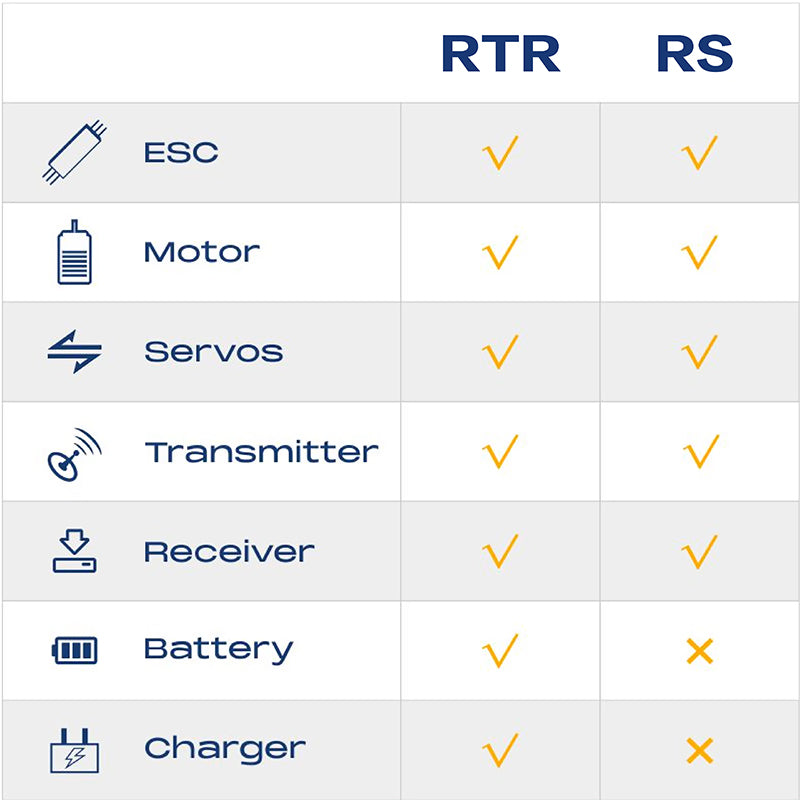
Cómo definir el concepto de "listo para usar" para nuevos aficionados.
Para principiantes,Coches RC listos para usarrepresenta el punto de entrada más fácil en el pasatiempo. No necesitas pegar llantas, soldar cables o pintar una carrocería de policarbonato transparente. La caja contiene el vehículo y el transmisor de radio. El objetivo principal de un paquete RTR es eliminar elbarrera de entrada. Permite a un nuevo usuario experimentar la diversión de conducir sin pasar semanas en el ensamblaje.
Cómo RTR cambió el panorama de los coches de control remoto
Hace décadas, la mayoría de los vehículos de alta calidad se vendían exclusivamente como kits. Tenías que construir todo desde cero. Hoy en día, los coches RC RTR dominan el mercado. Los fabricantes se dieron cuenta de que muchas personas quieren el rendimiento de unvehículo de grado aficionadosin la inversión de tiempo inicial de una construcción. Este cambio ha hecho que los coches rc de alto rendimientotecnología de coches teledirigidosaccesible a un público mucho más amplio, que abarca desde niños pequeños hasta adultos ocupados.
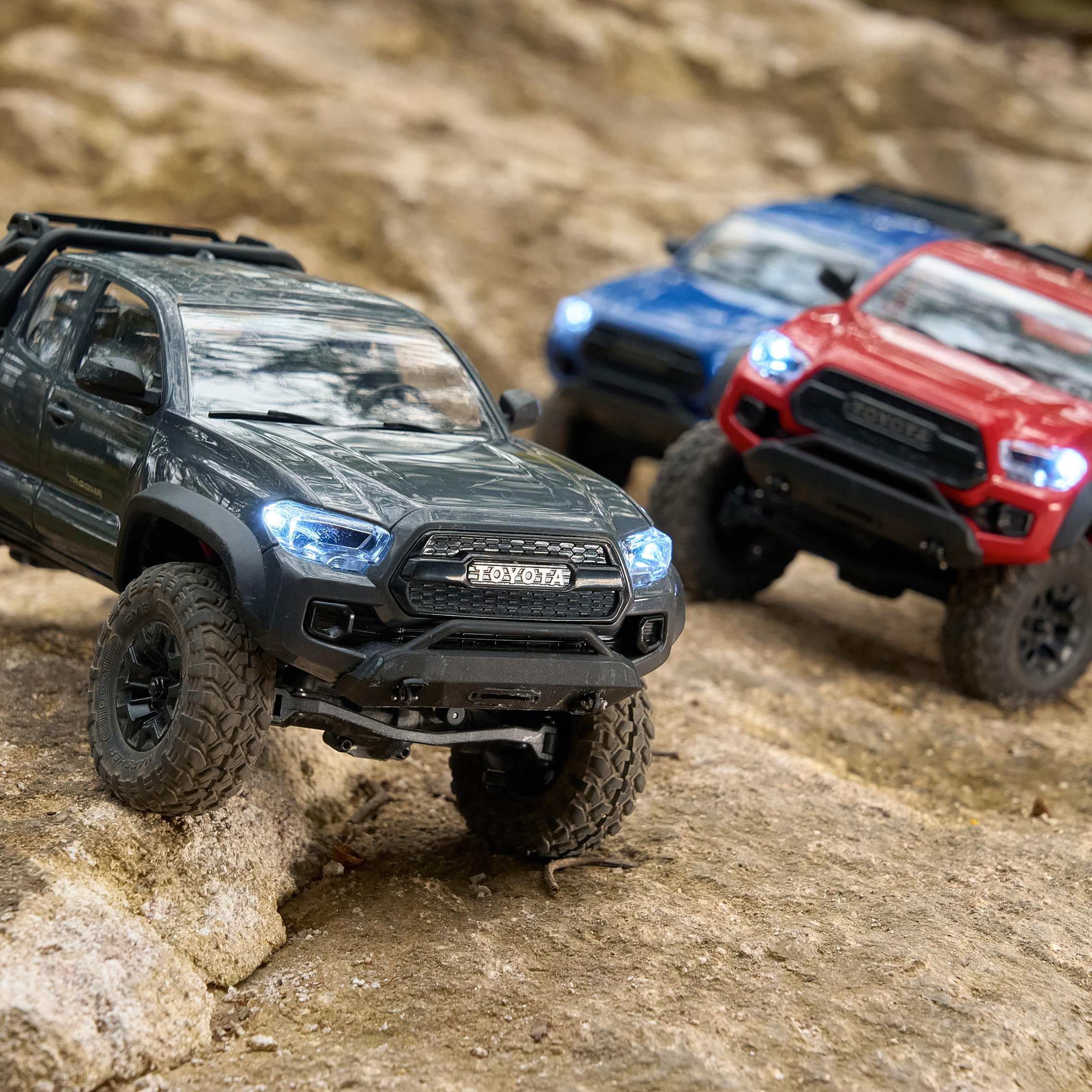
Desempaqueta un vehículo RTR: Lo que puedes esperar encontrar dentro
Cuando usted compra unModelo RTR, la experiencia de desempaquetado es sencilla. La caja suele ser grande y contiene el vehículo asegurado con bridas o insertos de cartón. La carrocería ya está pintada y decorada, a menudo con unpelícula protectorate despegas.
Debajo del cuerpo, elEl chasis está completo. El servo,controlador electrónico de velocidad (ESC)y el motor están atornillados y cableados.La geometría de la suspensión está predefinida.por la fábrica. Esto significa que los ángulos de inclinación y convergencia están ajustados para condiciones de conducción generales directamente de la caja. No necesita preocuparse por el engranaje oajuste de la suspensión inmediatamente.
El sistema de radioes otro componente crítico incluido en la caja. El portátilEl transmisor ya está "vinculado".o emparejado con el receptor dentro del coche. En una versión de kit, tendrías que comprar estos por separado y enlazarlos tú mismo. Con los coches RC RTR, el fabricante se asegura de que las señales de radio estén calibradas correctamente. Generalmente, solo necesitas instalar baterías AA en el transmisor para encenderlo.
Comparación entre coches RC listos para usar (RTR) y coches RC en kit.
Mientras RTR es popular, todavía existen kits. Entender el debate entreCoches RC listos para usar (RTR) vs. coches RC en kitte ayuda a decidir qué camino se adapta a tu personalidad. Un kit llega como una caja de piezas sueltas, bolsas de tornillos y un manual de instrucciones. TúConstrúyelo pieza por pieza.
La alegría de construir vs La emoción de conducir inmediatamente
Los kits son excelentes para aquellos queme encanta la ingeniería. Construir un coche desde cero te enseña exactamente cómo funciona cada engranaje y brazo de suspensión. Sin embargo, requiere paciencia, herramientas y un espacio de trabajo. RTR RC carspriorizar la conducción. Si tu objetivo principal es ir al parque y golpear de inmediato, un RTR es la mejor opción. Aún puedes aprender a arreglar el coche más tarde cuando las piezas eventualmente se rompan.
Comparación de precios entre kits y modelos prefabricados
Existe una idea errónea de queLos kits son más baratosporque tú haces el trabajo. En realidad, los precios de los coches RC RTR frente a los kits a menudo favorecen al RTR. Los kits generalmente no incluyen el motor, ESC, servo, radio o batería. Para cuando compras estos componentes por separado para terminar un kit, elEl coste total suele ser mayor.que comprar un modelo RTR completamente equipado. Los fabricantes compran electrónica al por mayor, trasladando los ahorros al comprador de RTR.
Descubre las principales ventajas de elegir modelos listos para usar
El dominio de RTREn el mercado no es accidental. Estos modelos ofrecen beneficios distintos que atraen a la mayoría de los aficionados. Elfactor de convenienciaes innegable, pero los beneficios van más allá de solo ahorrar tiempo.
El Los mejores coches teledirigidos para principiantesson casi siempre RTR. Eliminan la ansiedad de "hacerlo mal". Un nuevo aficionado podría desajustar la malla de engranajes o soldar un conector de batería al revés en un kit, lo que podría arruinar la electrónica. Un modelo RTR garantiza que el vehículo funcione correctamente la primera vez que lo enciendas. Esteéxito inmediatoAnima a la gente a seguir practicando esta afición.
Líneas de montaje de fábricautilizar configuraciones de par de torsión precisas y técnicas profesionales. Los amortiguadores están llenos con el peso correcto de aceite, y los diferenciales están engrasados adecuadamente. Mientras que los constructores expertos pueden ajustar un coche mejor que una fábrica, un RTR proporciona unlínea base sólida. Asegura que el coche RC maneje de manera predecible, brindando al conductor un buen punto de referencia antes de que comience a hacer sus propios ajustes.
Evitar conceptos erróneos comunes sobre los accesorios requeridos
"Listo para correr" es un término de marketing., y a veces puede ser un poco engañoso. Implica que no necesitas nada más, pero esto no siempre es cierto. DebesLea la sección "¿Qué hay en la caja?"Lea atentamente antes de comprar.
Muchos entusiastas de coches de control remoto rc de alto rendimiento prefieren eligen sus propias baterías. En consecuencia, los fabricantes a menudo venden vehículos RTR sin la batería principal de tracción o un cargador. Suponen que el comprador ya posee equipos de carga de alta calidad. Siempre verifique si su paquete incluye una batería. Si es así, tenga en cuenta que el "cargador de goteo de pared" incluido suele ser lento, yactualizar a uncargador inteligenteSe recomienda.
Es posible que te encuentres con el términoARTR (Almost Ready to Run) o "Slider""Estos son híbridos entre coches RC RTR y Kit. Un vehículo ARTR puede venir ensamblado pero carecer del sistema de radio o del motor. Esto permite a los conductores experimentados elegir un chasis preconstruido pero instalar su electrónica de alta gama preferida. No confunda ARTR con RTR, o se decepcionará cuando no pueda conducir de inmediato."
Explora diferentes escalas, desde mini hasta grande.
Los vehículos RTR vienen en todos los tamaños.La escala del vehículo determina dónde puedes conducirlo y cuánto cuesta mantenerlo. Entender la escala es vital para elegir la experiencia adecuada.
Encontrar el Tamaño Adecuado para Conducir en Interiores vs Exteriores
Mini coches teledirigidos, típicamente a escala 1/24 o 1/18, son perfectos para uso en interiores. Puedes conducirlos en tu sala de estar o construir pequeñas pistas en un camino de entrada. Son asequibles y requieren muy poco espacio de almacenamiento. Por el contrario, los coches RC grandes, como los de escala 1/5 o 1/6, requieren vastos espacios abiertos como campos o desiertos. Son demasiado rápidos y peligrosos para pequeños patios traseros.
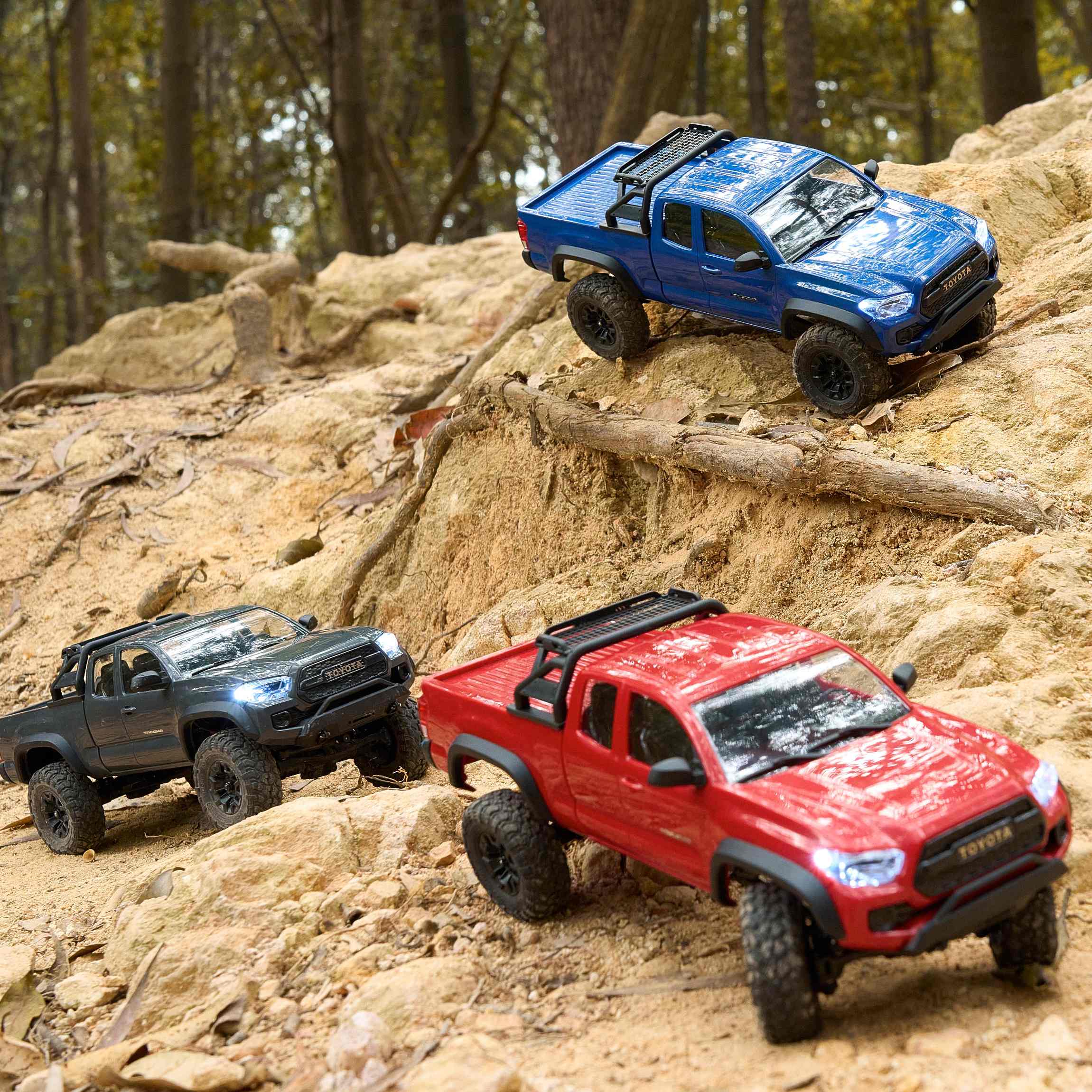
Expectativas de rendimiento para varios tamaños de vehículos
La física determina el rendimiento. Coches RC grandesManeja bien los baches, el césped y la grava.mucho mejor que los vehículos más pequeños. Su peso y tamaño de neumáticos les permiten flotar sobre obstáculos que detendrían un coche más pequeño. Sin embargo, los coches rc mini a menudomás duraderos en relación con su pesoUn coche pequeño que cae por las escaleras podría sobrevivir, mientras que un vehículo a escala 1/5 que choca a alta velocidad probablemente romperá componentes estructurales.
Mantenimiento y reparaciones para su coche RC preensamblado
Comprar un RTR no te exime del trabajo mecánico. La naturaleza del hobby implicapiezas que se estrellan y se rompenEventualmente, necesitaráscoge un destornillador.
Con un kit, aprendes el coche antes de conducirlo. Con un RTR, túAprende a manejar el coche mientras lo reparas.. Cuando un brazo de control se rompe o un engranaje de arrastre se desgasta, tendrás que desensamblar esa sección del vehículo. Este"ingeniería inversa"es una forma efectiva de aprender. Solo tienes que entender el ensamblaje roto, no todo el coche de una vez.
Incluso para los coches RC RTR, necesitas unkit de herramientas básico. Esto debería incluir destornilladores hexagonales (1.5mm, 2.0mm y 2.5mm son estándar), una llave para tuercas de rueda y pinzas de punta fina. Mantener estas herramientas a mano asegura que un tornillo suelto o una piedra atascada en la dirección no arruine tu día de diversión.Mantenimiento regular, como revisar si hay tornillos sueltos, preserva la vida de tu coche RC.
Selecciona los mejores coches RC para tu nivel de habilidad.
El mercado está inundado de opciones, desde vehículos lentos hasta demonios de velocidad de 60 mph. Seleccionar el modelo RTR adecuado depende de la honestidad sobre tu habilidad de conducción y presupuesto.
Evaluando la Velocidad y Durabilidad para Conductores Novatos
Piezas de frenos de velocidad. Para un primer coche, no busques la opción más rápida. Busca la más duradera. Los mejores coches RC para principiantes a menudo tienen un "modo de entrenamiento" que limita el acelerador al 50%. Esto te permite aprender el control de dirección sin chocar constantemente. Los coches rc mini también son excelentes puntos de entrada porque generalmente son más lentos y causan menos daños al chocar con objetos.
Disponibilidad de Piezas de Repuesto y Soporte Postventa
Antes de comprar coches RC grandes o cualquier coche RC, los usuarios de coches de control remoto recomiendan verificarapoyo local¿Tu tienda de hobbies local tiene piezas para esa marca? Si rompes un brazo de suspensión, esperar cuatro semanas para que una pieza llegue del extranjero es frustrante. Apégate a las marcas principales confuerte disponibilidad de piezasEsto garantiza suVehículo RTRse mantiene en la carretera en lugar de estar en una estantería esperando reparaciones.
Preguntas frecuentes
¿Son los coches RC RTR más lentos que las versiones en kit?
No necesariamenteLos vehículos RTR modernos a menudo vienen conpotentes motores sin escobillasy baterías LiPo que rivalizan con kits personalizados. La velocidad depende de la electrónica instalada, no de si fue ensamblado en una fábrica o en casa.
¿Puedo mejorar un coche RTR más adelante?
SíUna de las mejores características decoches RC de calidad para aficionadosla capacidad de actualización que disfrutan los entusiastas de los coches de control remoto. Puedesreemplazar el servo, el motor, los neumáticos y las piezas de suspensiónen un vehículo RTR igual que en un kit.
¿Qué significa "Hobby Grade" en comparación con "Toy Grade"?
"Los coches de grado juguete" son los que encuentras en las tiendas por departamentos.No tienen reparación.Coches RC RTR "Hobby Grade"están diseñados para ser reparados. Puedes comprar cada una de las piezas del coche por separado para arreglarlo.
¿Necesito rodar el motor de un coche RTR?
Si su coche tiene unmotor con escobillas, un simple rodaje en agua o usarlo suavemente durante el primer paquete puede extender su vida útil. Si tu coche RC viene con un motor sin escobillas, no se requiere período de rodaje; está listo para funcionar a plena potencia de inmediato.
¿Es más difícil mantener coches RC grandes?
Sí, generalmente.Grandes coches teledirigidostienen partes más pesadas, requieren baterías más caras, y las fuerzas involucradas en los choques son mucho más altas. También sonmás difícil de trabajar físicamentedebido a su tamaño y peso.