

For newcomers to the world of RC flight, the electronics can be more intimidating than the flying itself. You unbox your new RC plane, admire the wings, and then realize you have a battery that needs power. Charging isn't as simple as plugging in a phone; it requires specific gear and knowledge to prevent damage or fire hazards. This guide breaks down exactly what equipment you need, from the charger unit to the safety bag, ensuring your first flight—and every flight after—starts with a safe, full charge.
Essential Gear for Beginner RC Flying and Battery Care
Before you head to the field, you need a dedicated charging station. Unlike toy drones that charge via USB cables, hobby-grade RC airplane batteries require a more robust system.
Your charging kit should include three main components: a programmable RC Battery Charger, a power source (if not built-in), and safety equipment like a LiPo bag. Investing in quality charging gear now will save you money later by extending the life of your batteries. A good charger can balance the cells, discharge batteries for storage, and monitor internal resistance, which are critical features for safety and longevity.
Choose the Right RC Battery Charger for Your Needs
The market is flooded with chargers, ranging from $20 to $200. For a beginner, you want a "smart" or "balance" charger.
Avoid the cheap "wall wart" trickle chargers that sometimes come in Ready-to-Fly (RTF) boxes. They are slow and lack safety features. Instead, look for a digital charger with an LCD screen. This screen provides vital information: how much capacity (mAh) has been put back into the battery, the voltage of each cell, and the total charging time. A popular starting point is a 50W or 80W 4-button charger, often referred to as a "B6" style charger. It is versatile, affordable, and can handle almost any battery type you will encounter in beginner RC flying.
Power Supplies and AC versus DC Inputs
Chargers need power to operate. You will see two main types: AC/DC and DC-only.
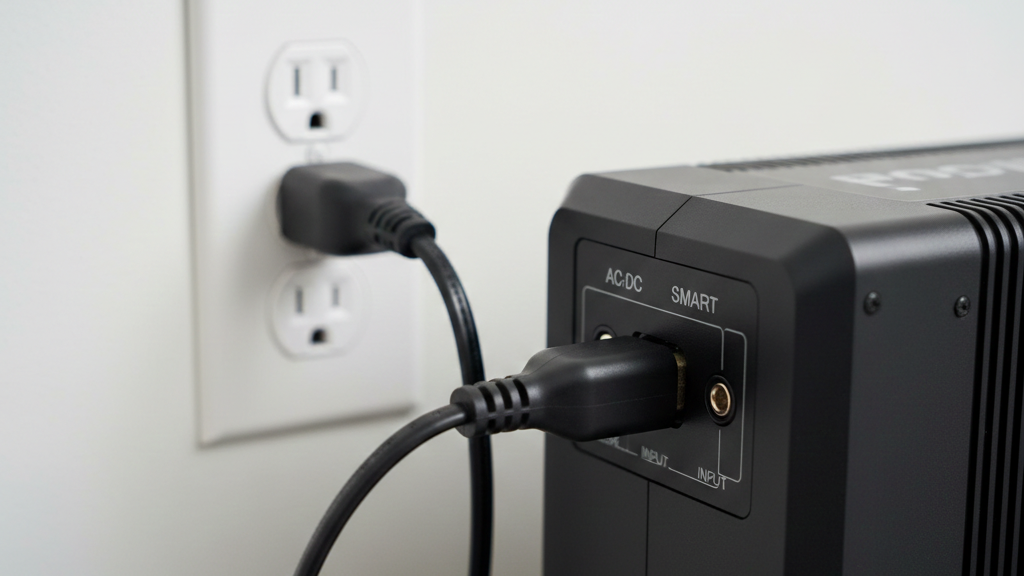
AC/DC Chargers have a built-in power supply. You can plug them directly into a standard wall outlet. This is the most convenient option for beginners. They are portable and easy to use at home.
DC-Only Chargers require an external power source. This could be a separate power supply unit (PSU) that plugs into the wall, or a large 12V battery (like a car battery) for field charging. While DC chargers can be more powerful and cheaper upfront, the need for an external power supply adds bulk and complexity to your setup. For your first r/c charger, an AC/DC unit is highly recommended for simplicity.
Identify the Chemistry of Your RC Airplane Batteries
Different batteries require different charging protocols. Mixing them up is dangerous.
Why LiPo Batteries Require Specific Balance Chargers
Most modern RC planes use Lithium Polymer (LiPo) batteries. They are light and powerful but volatile. A LiPo battery is made of multiple cells wired together. A standard charger simply pumps power in, which can cause one cell to overcharge and catch fire while others are still filling up.
You must use a balance charger for LiPos. These chargers use the small white "balance plug" on your battery to monitor and adjust the voltage of each cell individually, ensuring they all stay safe and equal (usually 4.20V per cell when full).
Handling NiMH and Other Battery Types
Some trainers or receiver packs still use Nickel-Metal Hydride (NiMH) batteries. These are heavier and less powerful but safer and more durable. Your smart charger will have a specific "NiMH" mode. Unlike LiPos, NiMH batteries are charged based on a "peak detection" method, so it is crucial to select the correct chemistry in your charger's menu before hitting start.
Navigating the Maze of RC Battery Connector Types
Your charger must physically connect to your battery. There is no single standard plug in the RC world.
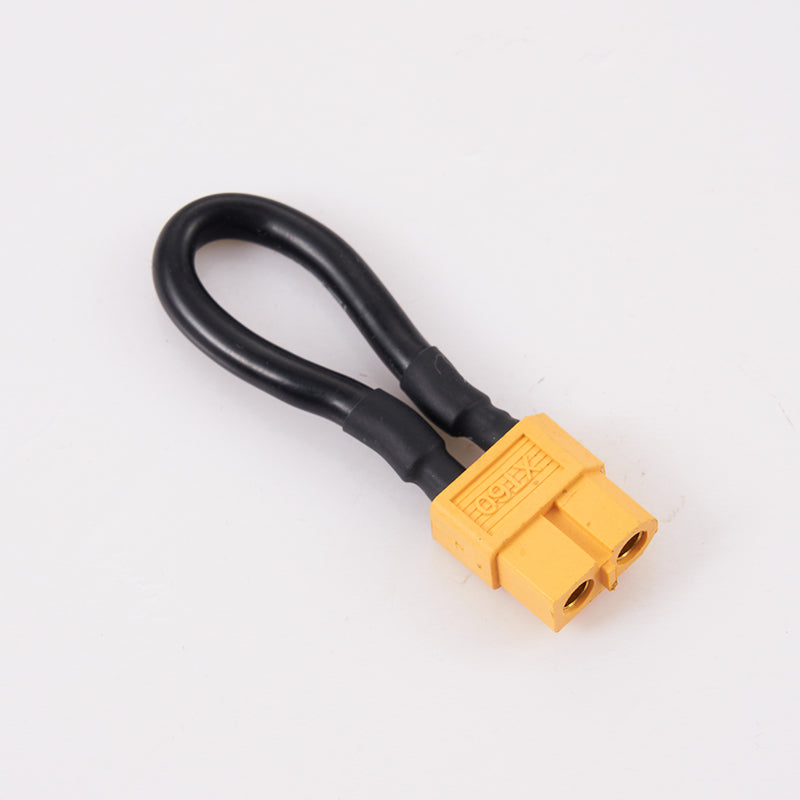
Common RC battery connector types include XT60 (yellow, very common), Deans or T-Plug (red), EC3/EC5 (blue), and JST (small red plugs for micro planes).
Your charger will likely come with a "squid" cable featuring multiple ends, or a set of adapters. Check your RC plane's battery plug before buying a charger to ensure you have the right adapter. If not, you will need to buy a separate charging lead that matches your specific battery connector. Never try to force mismatched plugs together or use alligator clips on the main power leads, as a short circuit can cause instant sparks and melting.
Why a LiPo Safe Bag Is Not Optional
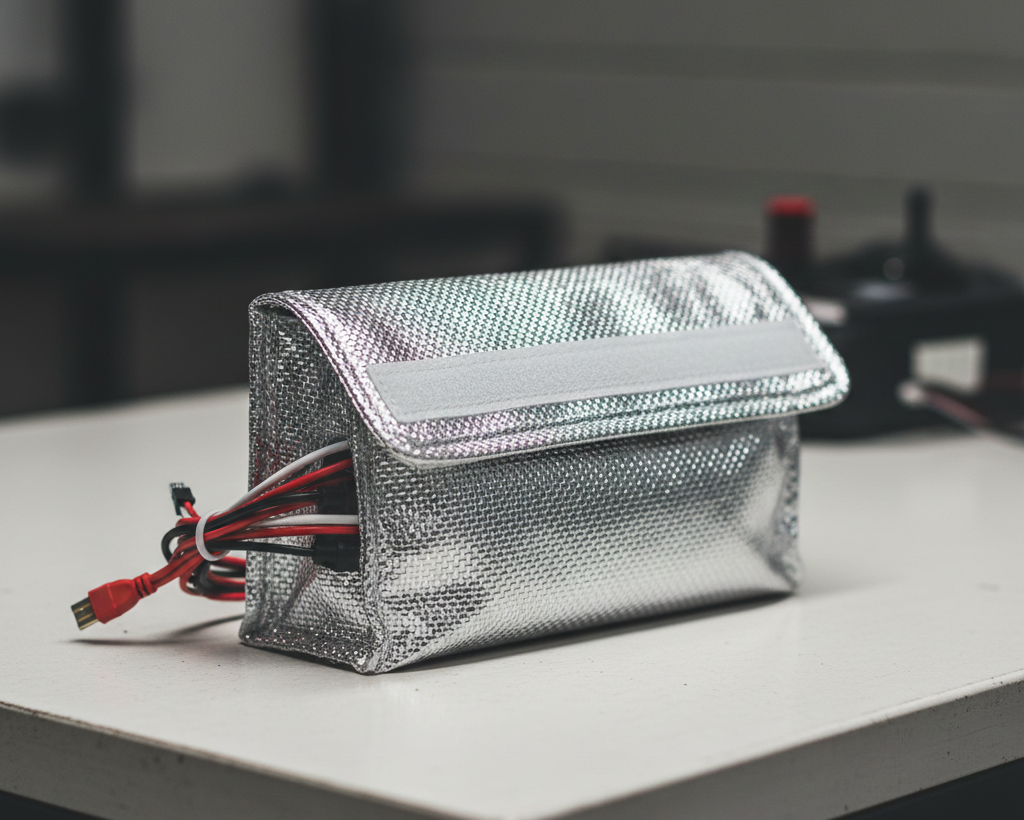
Lithium fires are chemical fires; they are extremely hot and hard to extinguish. A LiPo safe bag is a fire-resistant pouch made of woven fiberglass.
Whenever you are charging a LiPo battery, it should be inside this bag with the flap sealed. If a battery malfunctions and vents flames, the bag is designed to contain the fire and prevent it from spreading to your table or curtains. It is the cheapest insurance you can buy. Never charge batteries unattended, and never charge them on flammable surfaces like carpet or wood, even with a bag.
Master Your RC Charger Setup and Settings
Setting up your RC Charger correctly prevents accidents. You need to tell the charger two things: what the battery is and how fast to fill it.
Determining the Correct Voltage and Cell Count
Look at your battery label. It will say "3S" (11.1V) or "4S" (14.8V). This is the cell count. Set your charger to "LiPo Balance Charge" and select the matching cell count. The charger usually verifies this by checking the balance plug connection.
Calculating the Safe Charge Rate for Your RC Plane
The charge rate is measured in Amps. The safe standard is "1C," meaning a capacity of 1 times the battery's size.
- If you have a 2200mAh battery, 1C is 2.2 Amps.
- If you have a 1300mAh battery, 1C is 1.3 Amps.
Divide the mAh by 1000 to get the Amps. Charging at 1C takes about one hour. While some batteries claim they can handle "fast charging" at 2C or 3C, sticking to 1C is safer and prolongs battery life.
Equipment Needed for Proper Battery Storage and Maintenance
Batteries should not be left fully charged or empty for long periods. A fully charged LiPo degrades internally, puffing up and losing power.
Your smart charger will have a "Storage Mode." This automatically charges or discharges the battery to a stable voltage (around 3.80V - 3.85V per cell). Use this mode whenever you are done flying for the day. You will also need a simple digital battery checker. This small, pocket-sized tool plugs into the balance lead and instantly tells you the percentage of your battery, so you know which packs are ready to fly and which need charging.
Final Checklist for Safe and Efficient Charging
To recap, here is your shopping list for a complete charging setup:
1. Smart Balance Charger (AC/DC preferred).
2. Charging Leads compatible with your battery connectors (XT60, Deans, etc.).
3. LiPo Safe Charging Bag for fire protection.
4. Battery Voltage Checker for quick field checks.
By assembling this kit and following the 1C charge rule, you ensure your power system remains reliable, letting you focus on perfecting your landings rather than worrying about your batteries.
FAQ
Can I leave my batteries charging overnight?
No. Never charge RC batteries while you are sleeping or away from the house. If a failure occurs, you need to be there to react immediately.
My battery is puffed up. Can I still charge it?
No. A swollen or "puffed" LiPo battery indicates internal damage and gas buildup. It is a fire hazard. Stop using it, discharge it completely using a salt-water bath or a dedicated discharger, and recycle it properly.
What happens if I charge a LiPo on NiMH mode?
This is a common cause of RC fires. The charger will not stop at the correct voltage, leading to overcharging and eventual explosion. Always double-check that the charger mode matches the battery chemistry.
Do I need to discharge my battery before charging it?
For LiPo batteries, no. They do not have a "memory effect" like old NiCad batteries. You can top them up from any level. However, for NiMH batteries, occasionally cycling them (discharge and recharge) can help maintain their capacity.