

Driving through mud and water is one of the most exciting aspects of the RC hobby. However, the aftermath can be destructive for your vehicle's drivetrain. Moisture and fine grit are the primary causes of premature bearing failure. If left untreated, a fun afternoon can quickly turn into an expensive repair bill. This guide helps you determine whether you can salvage your RC car bearings through proper cleaning and lubrication, or if it is time to replace them entirely to maintain peak performance.

How Do You Know When RC Bearings Need Cleaning After Mud And Water?
Detecting bearing degradation early prevents severe damage to surrounding drivetrain components. When driving off-road, fine abrasive debris inevitably bypasses outer seals. The earliest warning sign is typically visual: inspect the wheel hubs and axle carriers closely. Visible surface rust on the outer race confirms moisture penetration, while milky or discolored grease indicates water contamination inside the assembly.
Performance Degradation Indicators
You can often feel a compromised bearing before seeing physical damage. Remove the wheels and rotate the axle shafts by hand; the rotation should be fluid and silent. A gritty feel or distinct "notchy" resistance indicates that dirt particles are grinding against internal steel balls. On electric vehicles, dirty bearings increase mechanical drag, causing the drive motor to run unusually hot and draining battery capacity much faster.
Bearing Noise And Resistance Changes
Acoustic feedback is another reliable diagnostic indicator. A well-maintained RC chassis operates with a quiet, consistent drivetrain hum. If your RC crawler emits high-pitched squeaks, the internal lubrication has been displaced. A distinct crunching or grinding noise signals sand trapped inside the race. Ignoring a seized bearing can generate enough friction heat to melt plastic hub carriers and score metal driveshafts.
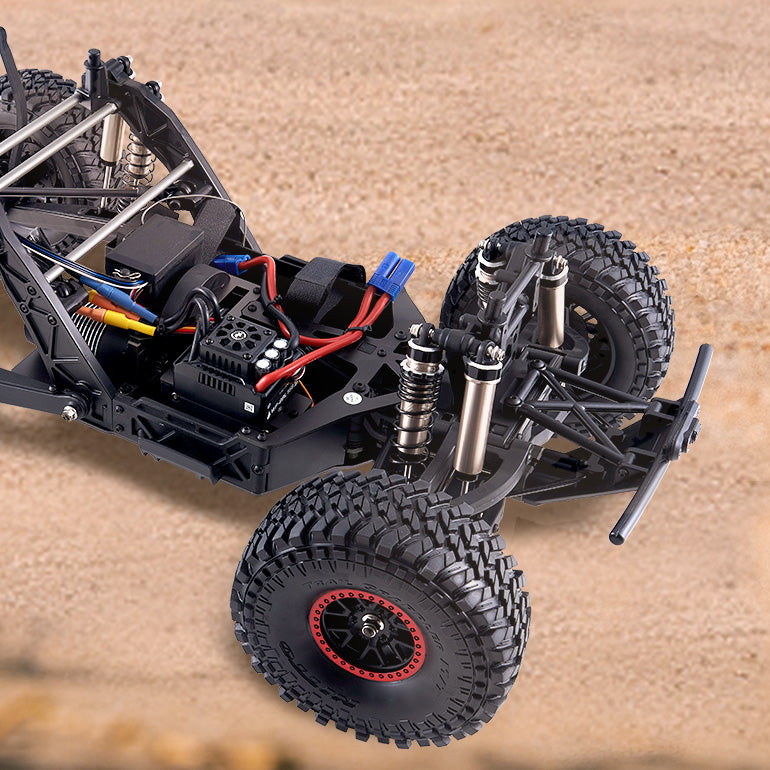
What Is The Best Way To Clean RC Car Bearings After Off-Road Running?
If a bearing still rotates freely despite feeling gritty, it can usually be salvaged. Effective servicing requires removing contaminated grease and trapped sediment from the internal raceway. Bearings cannot be thoroughly cleaned while mounted in the chassis; they must be fully disassembled from the hub carriers.
Disassembly And Initial Rinse Steps
Wipe the exterior of the bearing clean before opening it. If using rubber-sealed bearings, use the tip of a hobby blade to gently pry under the inner edge of the seal without bending the rubber-coated steel insert. Metal-shielded units are more difficult to service without damage and are generally treated as replaceable items. Once unsealed, submerge the bearings in a clean glass container filled with degreasing solvent.
Solvent Selection For Bearing Cleaning
The goal is to dissolve old grease and flush out particulate matter. Dedicated motor spray, automotive brake cleaner, or high-percentage isopropyl alcohol work effectively. Avoid soap and water, as residual moisture accelerates rust. Agitate the bearings in the solvent bath until the liquid darkens with debris. For electric RC vehicles run through heavy mud, repeat this wash with fresh solvent until the bath remains clear.
Compressed Air Drying Techniques
Bearings must be thoroughly dried immediately after solvent cleaning. Compressed air is ideal for clearing out remaining fluid and dislodged grit. Hold the inner race securely with your fingers to prevent it from spinning during drying; spinning a dry, unlubricated bearing at high RPM with compressed air can score the steel balls and pose a safety risk. Once dry, rotate the bearing by hand. If gritty resistance persists, the race is mechanically damaged and must be replaced.
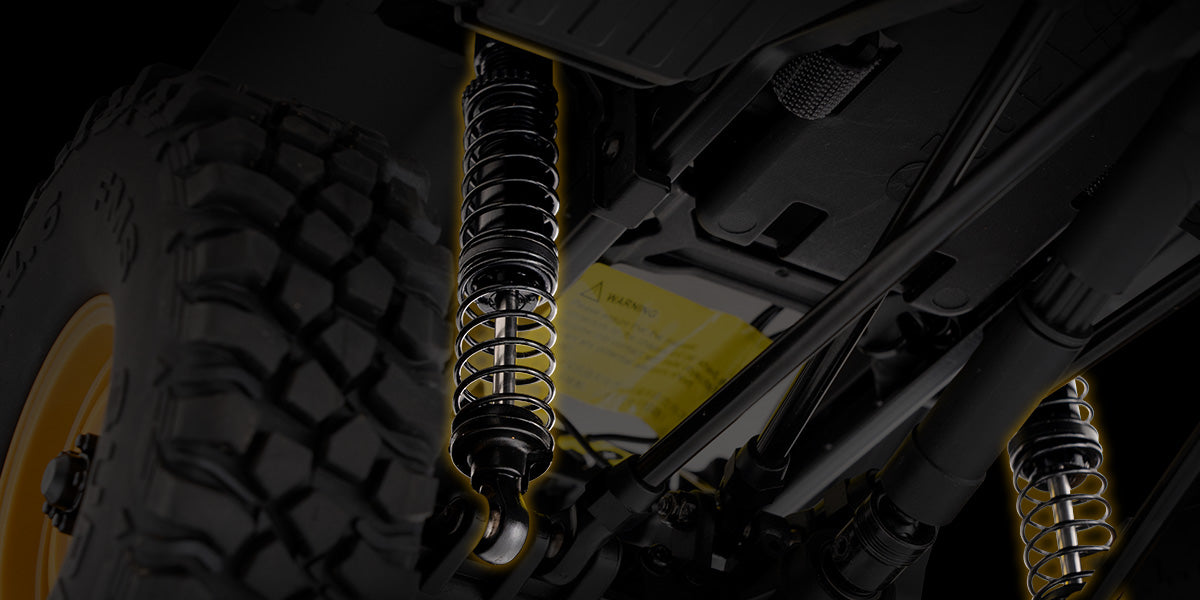
Which Lubricant Works Best For RC Crawler Bearings After Water Exposure?
Clean bearings must be relubricated immediately to prevent corrosion. The ideal lubricant depends directly on your driving environment and speed requirements.
Light Machine Oil Properties
For high-speed bashing and circuit racing, lightweight bearing oil minimizes friction, allowing the drivetrain to spin with minimal resistance for maximum top speed. However, light oils wash out rapidly in wet environments, requiring frequent reapplication after water exposure.
Bearing-Specific Lubricant Options
Synthetic hobby oils with needle-tip applicator bottles allow precise placement of a single drop directly into the raceway. These synthetic formulas adhere to polished steel races better than generic household lubricants.
Waterproof Grease Alternatives
For trail rigs and rock crawlers that regularly encounter standing water, protection takes priority over minimal drag. High-grade marine grease forms a hydrophobic barrier that keeps moisture away from internal components. While grease increases rotational resistance slightly, it significantly extends bearing service life in muddy conditions.
Lubricant Application Techniques
Avoid over-lubricating the assembly. For oil, one or two drops per bearing are plenty. For grease, pack approximately one-third of the internal void; overfilling forces excess lubricant out past the seals, attracting abrasive dirt. Once lubricated, gently press the rubber seals back into place until seated flush.
When Should You Swap RC Bearings Instead Of Cleaning Them?
While bearing maintenance is straightforward, severe wear makes replacement the more sensible, cost-effective choice.
Corrosion Damage Assessment
If a bearing is completely seized from internal rust, cleaning will not restore the damaged raceway surfaces. Pitted steel balls create persistent vibration and friction that hampers drivetrain efficiency. If visible pitting or heavy oxidation remains after solvent cleaning, discard the bearing.
Bearing Seal Integrity Check
Inspect the rubber seals carefully prior to reassembly. Torn, warped, or distorted seals cannot maintain a proper barrier against moisture and debris. Installing a bearing with compromised seals will allow dirt to enter almost immediately.
Cost Versus Time Considerations
Standard RC bearing sets are affordable maintenance items. If a vehicle requires a complete overhaul involving dozens of bearings, replacing them with a fresh set is often more time-efficient than hours of solvent cleaning.
Keep Your RC Bearings Smooth
Consistent bearing maintenance protects your drivetrain investment and preserves performance across demanding terrains. Checking for gritty resistance, cleaning after wet trail runs, and applying suitable lubricants ensures your vehicle remains reliable and trail-ready for every adventure.
Frequently Asked Questions
Q1: Can you drive RC cars through water without damaging the bearings?
Mechanical bearings are not waterproof. Even with rubber seals, water eventually enters the raceway under pressure, washing away oil and initiating rust. Always inspect and service bearings after submerged runs.
Q2: How often should you service RC crawler bearings after off-road use?
For dry, dusty terrain, inspecting bearings monthly is adequate. However, if your axles are submerged in water or deep mud, you should service or displace moisture from the bearings immediately after the run to prevent overnight corrosion.
Q3: What happens if you don't clean RC bearings after muddy runs?
Trapped moisture causes the steel races to rust and seize. A locked bearing forces the driveshaft to spin against the inner ring, generating severe heat that can warp plastic axle housings and overload the motor.
Q4: Do rubber-sealed bearings require less maintenance than metal-shielded ones?
Rubber-sealed designs provide superior debris exclusion for off-road driving because they seal out dirt and water more effectively than metal shields. However, they still require inspection and relubrication after exposure to standing water.
Q5: Can WD-40 be used as a lubricant for RC bearings?
WD-40 is effective for displacing moisture and flushing out light sludge, but it is a solvent rather than a long-term lubricant. After using it to clean bearings, always apply dedicated synthetic oil or waterproof grease before reassembly.