
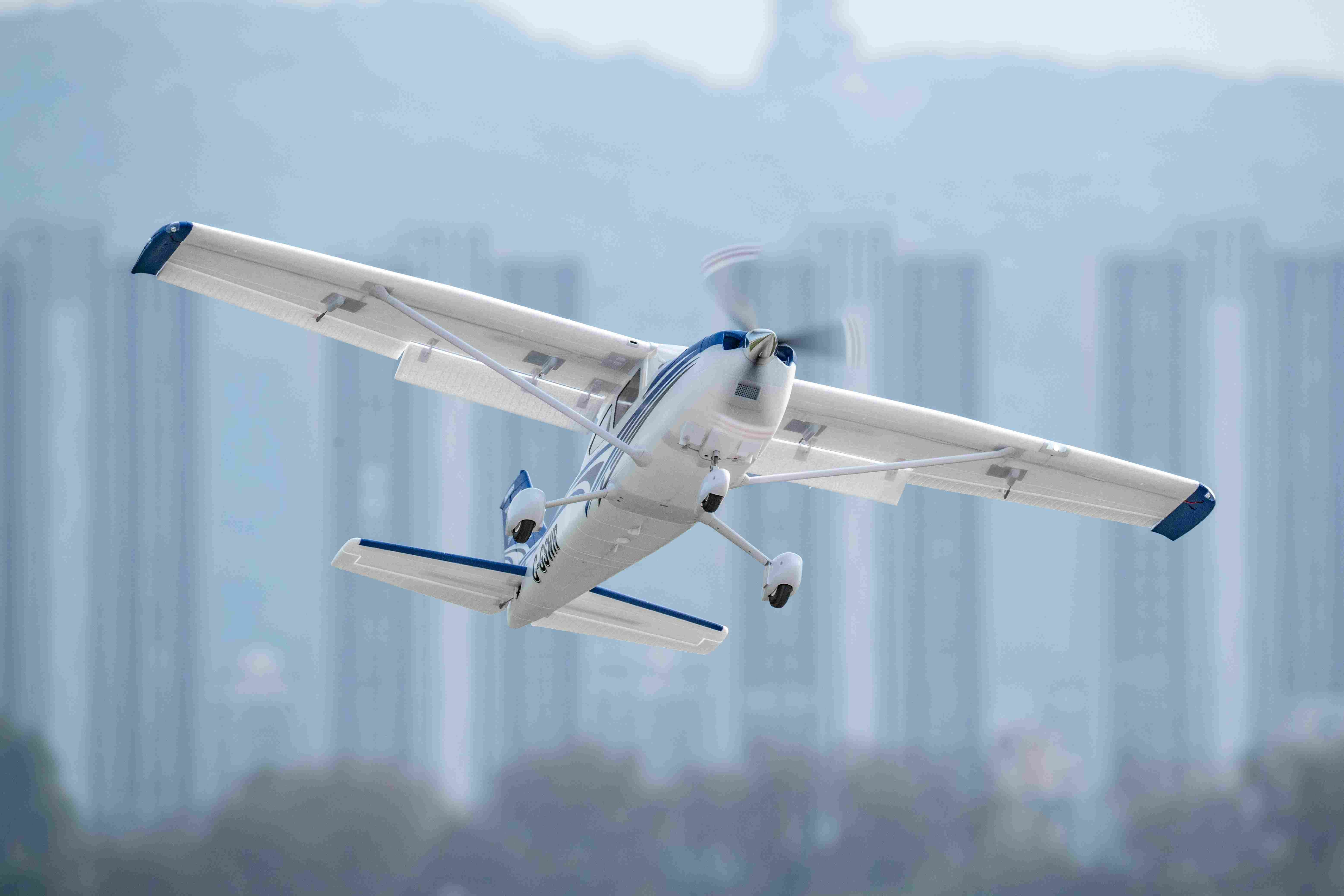
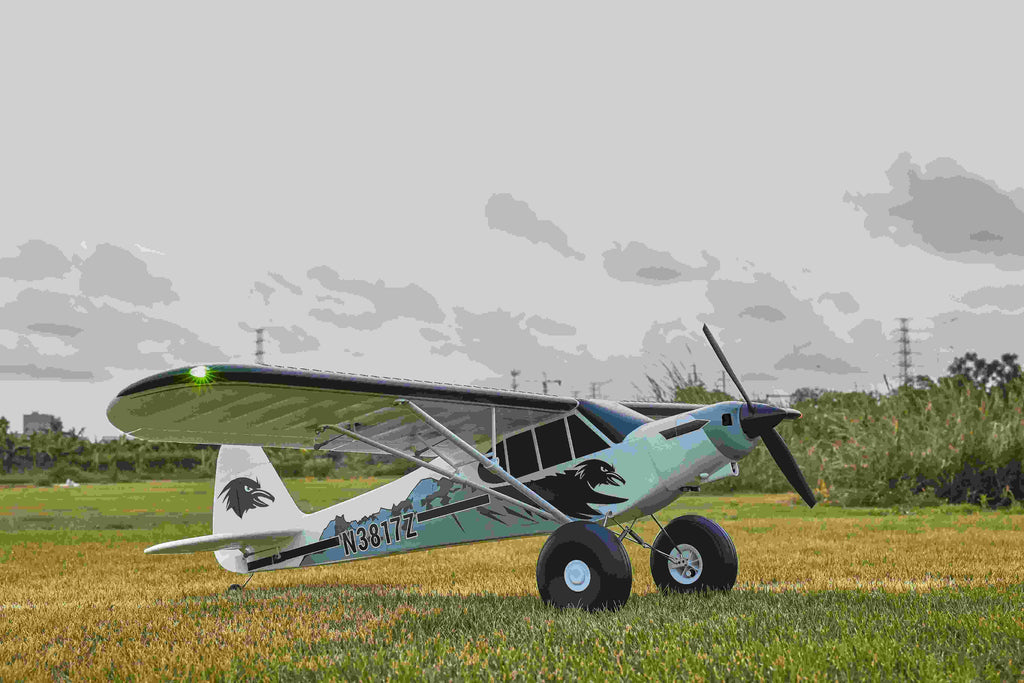
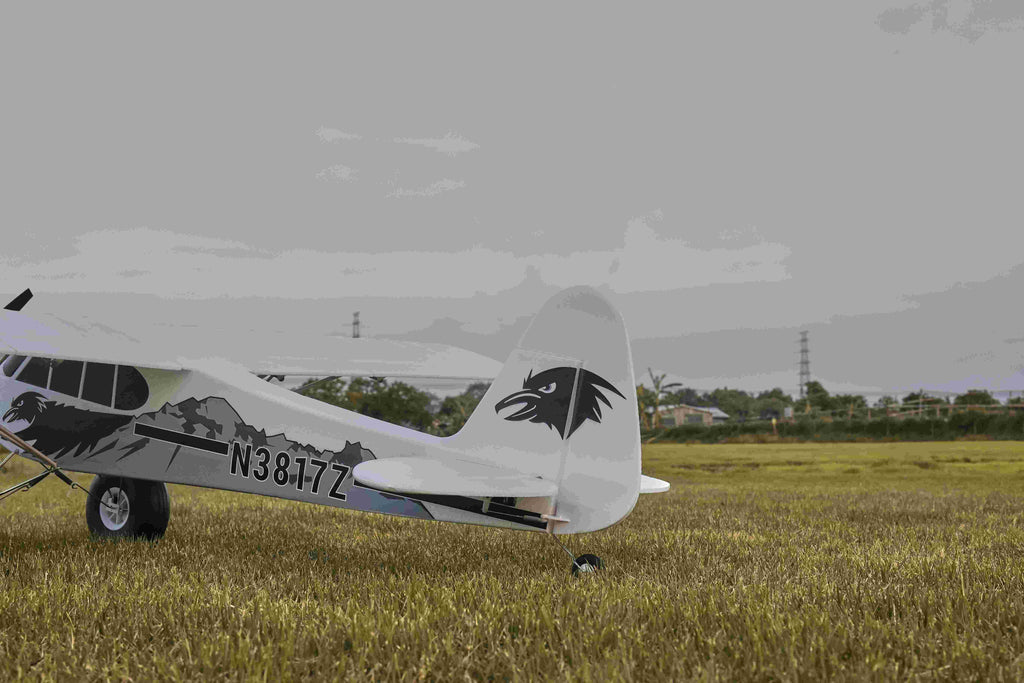
For us model aircraft builders, the final flourish that truly defines a well-built kit is often the application of those thin, detailed markings often called "water stickers" or, more commonly, water-slide decals. These replicate authentic liveries and insignia, giving our static displays a sense of realism and character. Mastering decal application is a key skill, transforming a good model into a great one, free from silvering or wrinkles.
What Are Water-Slide Decals
Water-slide decals, as the name suggests, use water to release them from their backing paper for application onto a model's surface. They typically consist of three layers: the backing paper, the printed decal design itself, and a very thin, clear carrier film that holds the design together. Most plastic model airplane kits come with water-slide decals because they conform well to surface details, much better than typical stickers.
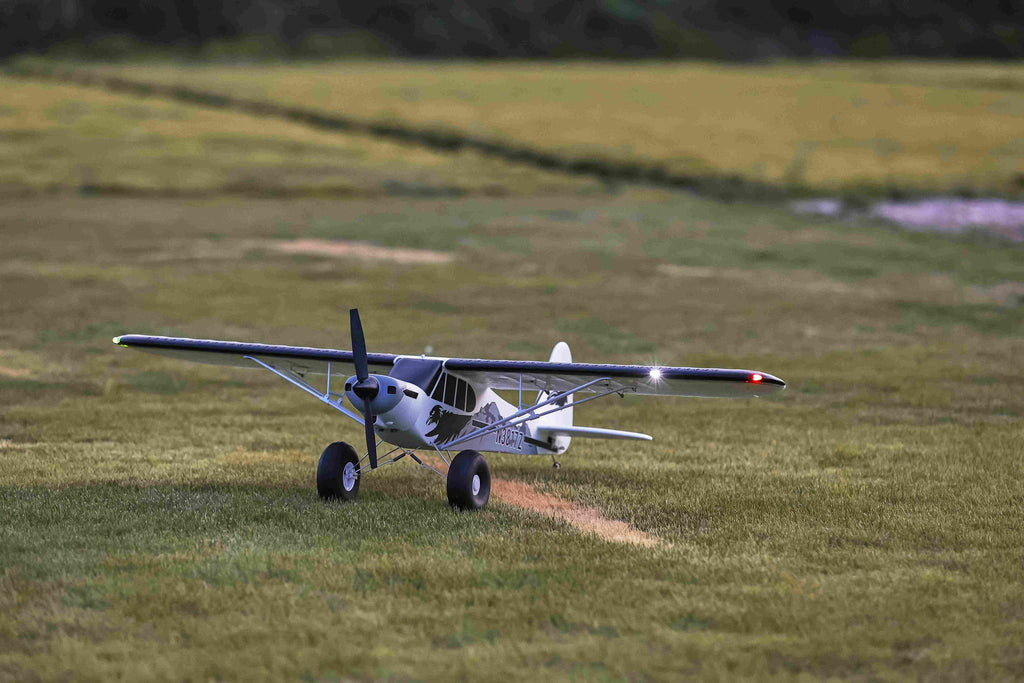
Essential Tools and Materials
Having the right tools on hand makes the decaling process smoother and more successful. Here’s a list of what you’ll generally need:
- A sharp hobby knife or dedicated decal scissors: For cutting decals precisely from the sheet.
- Tweezers (flat-tipped and pointed): For handling and positioning decals without using your fingers.
- A shallow dish or small bowl: To hold lukewarm water for soaking the decals.
- Cotton swabs or a soft, absorbent brush: To wick away excess water and help press the decal down.
- Decal setting solution and decal softening solution: These are highly recommended for best results, though optional for very basic applications on flat surfaces.
- A clean work surface and good lighting.
Surface Preparation
This is arguably the most critical stage for achieving a professional decal finish on your model airplane. The surface where the decal will be applied must be smooth and glossy. If you apply decals directly onto a matte or rough paint finish, air can get trapped underneath the carrier film. This results in a milky, frosted appearance known as "silvering," which ruins the look.
To prevent this, always apply a clear gloss coat (like an acrylic gloss varnish) over the painted area where the decal will go. Let this gloss coat cure completely according to the manufacturer's instructions. This creates an ultra-smooth surface, allowing the decal to adhere fully and eliminating the risk of silvering.
A Step-by-Step Guide to Applying Model Plane Decals
With your preparation done, it's time for the main event of applying the water sticker.
First, use your hobby knife or scissors to carefully cut out the specific decal you want to apply from the main sheet. Try to cut as close to the printed design as possible without actually cutting into the design itself. This minimizes the amount of clear carrier film around the image.
Next, using your flat-tipped tweezers to hold the edge of the decal's backing paper (not the decal itself), submerge it completely in your dish of lukewarm water. The soaking time is usually short, typically around 10 to 30 seconds. This can vary depending on the decal's thickness and brand. You'll know it's ready when the decal starts to slightly curl and can be gently nudged on its backing paper with a fingertip or tweezers.
Carefully remove the wet decal from the water. You can place it on your model airplane near its final intended position. At this point, it's a good idea to apply a small amount of decal setting solution to the model's surface where the decal will go. This solution helps the decal slide more easily into position and improves adhesion.
Using a pointed tweezer or a damp cotton swab, gently hold one edge of the decal film while slowly sliding the backing paper out from underneath. The decal should transfer smoothly onto the model's surface. Avoid pulling or stretching the delicate decal.
Once the decal is roughly in place, use a damp cotton swab (squeeze out most of the excess water first) to carefully maneuver it into its exact final position. Then, gently roll the swab from the center of the decal outwards to squeegee out any trapped water or air bubbles. Be gentle to avoid tearing or distorting the decal.
Leveraging Decal Solutions: Setter and Softer
For areas on your model airplane with complex curves, recessed panel lines, or raised details like rivets, decal softening solution is your best friend. After the decal is positioned and most excess water is removed, apply a thin coat of softening solution over the top of the decal with a small, soft brush. The decal will likely wrinkle and look alarming – do not touch it at this stage!
As the solution works, the decal will soften considerably and conform tightly to the surface details beneath it, creating a "painted-on" look. If it doesn't fully conform after the first application dries, you can apply another light coat. The setting solution you used earlier helps with initial adhesion, while the softener is what makes the decal truly hug those contours.
Drying and Final Sealing
Patience is key after applying your decals and any solutions. Allow them to air dry completely. This can take several hours, or even overnight, to ensure all moisture has evaporated from beneath the film. During this drying time, avoid touching or moving the model, as the decals are still vulnerable to shifting or damage.
Once you are certain all decals are fully dry and have conformed well to the model airplane's surface, it's time for the final protective layer. Apply another clear coat over the entire model, or at least over all the decaled areas. You can choose gloss, semi-gloss, or matte varnish, depending on the desired final finish of your aircraft. This seals the decals, protects them from handling and dust, and helps blend them seamlessly with the surrounding paintwork.
Troubleshooting Common Issues & Extra Tips
Even with care, you might encounter a few hitches. Here’s how to handle them:
- Stubborn Air Bubbles: If you notice a small bubble after the decal has dried, you can try carefully pricking it with the very tip of a new, sharp #11 hobby blade or a fine needle. Then, apply a tiny drop of softening solution over the prick and gently press down with a cotton swab.
- Decal Tearing or Shattering: Older decals or those from certain manufacturers can be brittle. If you suspect this, you can try applying a liquid decal film product to the decal sheet before cutting and soaking. This adds a new carrier film to help hold them together.
- Large Decals: Handle large decals with extra care and plenty of water/setting solution to allow for positioning. Work from one side to the other gradually when squeegeeing out water and air.
- Alignment: For multiple small markings like serial numbers or data stencils that need precise alignment, apply one key decal, let it set partially, and then use it as a visual reference for placing the others.
Achieving Professional Results Through Practice
Applying water-slide decals to your model airplane is a skill honed with practice and patience. Don't be discouraged by initial imperfections; each attempt is a learning experience that refines your technique. The satisfaction of seeing your model airplane adorned with crisp, perfectly applied markings, bringing it one step closer to its real-life counterpart, is immense. Happy modeling!