
Determining the right amount of flying room for your RC airplane depends on airframe dynamics, pilot skill, and local airspace regulations. A proper site prevents collisions and ensures safe landing patterns across all experience levels.
Aircraft Type and Size: The Primary Deciding Factor
Airframe size and speed dictate your baseline space requirements. A micro indoor flyer requires minimal room, whereas a high-speed platform like the FMS 70mm A-10 Thunderbolt II needs wide-open flight lines for high-speed passes and safe rollout. High-performance models in the RC EDF jet lineup cover ground rapidly and demand clear airspace for wide turning radii and emergency go-arounds.
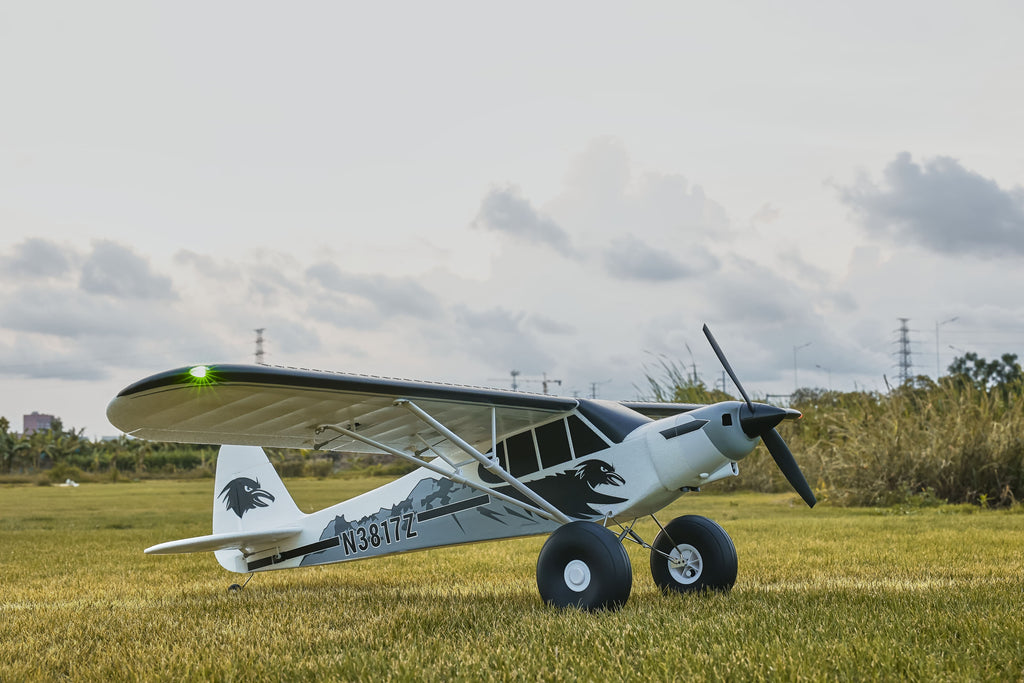
Micro models under 24 inches wingspan can operate in indoor gymnasiums or open multi-court areas. In contrast, standard RC park flyers with a 30- to 48-inch wingspan require an unobstructed area equivalent to one or two football fields. Larger RC sport planes and thermal-hunting RC gliders need significantly more airspace and are best flown at dedicated club fields.
Pilot Skill Level: Accounting for Error Margins
Pilot reaction time and spatial orientation directly influence the necessary safety buffer for RC flying. Beginners often fly wider turns and inconsistent landing approaches, requiring extra recovery margin.
Novice pilots should reference a comprehensive beginner's flight guide before choosing tight fields. Ample space allows room to correct for wind gusts without risking high-speed stalls. Even experienced pilots benefit from expanded fields when trimming new airframes or executing high-speed maneuvers, ensuring reliable takeoff and landing safety.
Identify Physical Obstacles and Airspace Quality
Total usable acreage matters less if the perimeter is cluttered. Structural obstructions present physical hazards and generate severe downwind wind turbulence that destabilizes light aircraft.
- Tall perimeter trees that block visual line of sight and snag drifting aircraft
- Buildings and metal structures that cause radio frequency interference
- Power lines and utility poles that represent critical no-fly hazards
- Fences and ground barriers that interrupt low landing approaches
- Uneven turf and hidden ruts that damage landing gear during rollout
Always establish your runway layout into the prevailing wind to reduce ground speed during touchdown. Maintain an active buffer around your flight box and preserve an uninterrupted line of sight throughout every battery cycle.
Flight Disciplines and Space Demands
Flight style dictates vertical and horizontal airspace requirements. Standard circuits and steady level cruising require predictable rectangular flight paths.
Conversely, 3D aerobatics, vertical climbs, and high-G maneuvers demand extensive vertical airspace and immediate recovery zones. Expanding your flight envelope protects the model during disorienting maneuvers or sudden power cuts.
Locating Legal and Safe RC Flying Sites
Securing a legal, safe flying location requires due diligence regarding local municipal codes and land ownership.
- Designated RC flying clubs: Flying at an AMA chartered club site provides access to maintained runways, established safety lines, and experienced pilot support.
- Public parks: Review local park regulations to verify whether unmanned aircraft are permitted before flying, and select off-peak hours away from pedestrians.
- School athletic fields: Verify district authorization outside academic and athletic hours, ensuring clear separation from active public events.
- Private farmland: Large private open fields provide excellent flying space once written permission is obtained from the property owner.
Prioritizing Safety and Operational Discipline
If a field feels constrained or introduces unnecessary safety risks, choose a larger site. Maintaining structured pre-flight maintenance routines and respecting surrounding property lines ensures a sustainable and safe flying experience.