

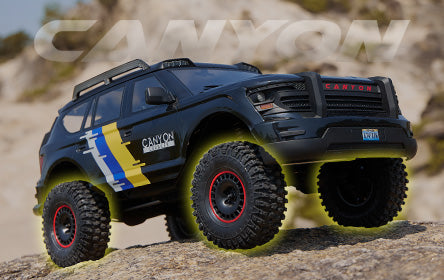
One of the most frustrating experiences in the RC car hobby is having a tire unseat or separate from the rim during high-speed runs. You are nailing your lines, only for your vehicle to spin out with a detached tire flopping around. Fortunately, you can easily prevent this mechanical failure. Gluing RC tires properly is a foundational maintenance skill that separates beginners from experienced hobbyists and racers. This step-by-step guide walks you through achieving a durable, track-tested bond that holds up under extreme torque and high RPMs.
Step 1: Gather Your Essential Supplies
Before starting, organizing your materials ensures a clean, mistake-free process and prevents rushed fixes while handling fast-curing adhesive.
Ensure you have the following tools ready:
- Tires and Wheels: Your unmounted wheel rims and rubber tire set.
- RC Tire Glue: High-performance cyanoacrylate (CA) glue formulated specifically for RC rubber compounds and composite plastic rims.
- Applicator Tips: Fine micro-tips attached to the nozzle for precise, mess-free glue dispensing.
- Cleaning Agent: Isopropyl alcohol (rubbing alcohol) or dedicated degreaser for RC vehicles.
- Microfiber Cloths or Lint-Free Shop Towels: For surface degreasing and wiping excess adhesive.
- Rubber Tire Bands or Gluing Jig: To apply uniform clamping pressure while the adhesive sets.
Step 2: Thoroughly Clean the Tires and Wheels
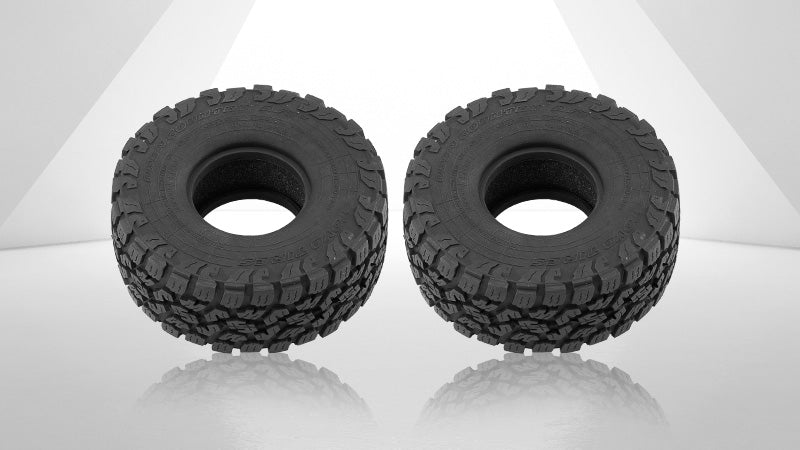
This is the most crucial step in the entire process. Brand-new tires and wheels retain silicone mold-release residues from manufacturing. If left uncleaned, the CA glue bonds only to the oil layer rather than the actual rubber and plastic, causing tire delamination under load. Following proper methods for cleaning RC car parts ensures optimal surface adhesion.
Dampen a clean microfiber cloth with isopropyl alcohol and vigorously scrub the tire bead (the inner rubber mounting lip). Next, clean the wheel bead channel where the tire sits. Repeat this cleaning process for both inner and outer beads on all four wheels, then allow them to air-dry completely.
Step 3: Mount the Tires and Foam Inserts
Proper mechanical alignment is essential before applying any adhesive. Foam inserts are critical components that provide sidewall support and structural dampening during hard cornering and jump landings.
First, insert the foam liner inside the tire carcass, ensuring it sits evenly without twisting or bunching. Next, stretch the tire over the wheel. Work gradually around the circumference until the rubber is centered. Confirm that the tire bead is firmly seated in the wheel groove on both the front and rear sides.
Step 4: Apply the First Bead of Glue
Once the tire and wheel are seated correctly, begin the gluing process. Cyanoacrylate requires precision—excess glue weakens the bond and creates unsightly residue. Work on one side of a tire at a time. Gently pull back a 1- to 2-inch section of the tire bead from the wheel channel to create a narrow gap. Using a fine applicator tip, dispense a thin bead of RC tire glue directly into the rim groove rather than onto the outer tire face. Release the rubber bead so it drops back into the channel, then continue working your way around the entire rim.
Step 5: Apply Even Pressure with a Jig or Bands
To achieve an airtight bond with zero gaps, apply constant, uniform pressure while the glue sets. This locks the tire lip deeply into the wheel channel, preventing high-speed blowouts.
Wrap two to three elastic tire bands around the outer diameter of the tire in an overlapping pattern. For competition-level accuracy, an RC tire gluing jig applies balanced, 360-degree radial pressure around the wheel edge, making it an invaluable tool for frequent racers.
Step 6: Flip the Wheel and Glue the Second Side
A tire is not secure until both beads are fully bonded. Allow the first side to set for 10 to 15 minutes before removing the bands or releasing the jig.
Flip the wheel over to access the inner bead. Quickly clean the unglued bead again with a dry cloth to eliminate any stray dust. Repeat the gluing procedure: lift a small section of rubber, apply a thin line of adhesive, let it seat, and work systematically around the wheel. Reapply the elastic bands or jig once complete.
Step 7: Allow the Glue to Fully Cure for Maximum Strength
Patience is critical when building reliable RC wheels. While CA glue hardens quickly on contact, it takes several hours to reach maximum tensile strength. Running freshly mounted tires too early is a common cause of on-track failure.
Allow the glued wheels to cure undisturbed for 8 to 12 hours, or ideally overnight. Complete curing is essential for high-power brushless models and heavy-duty 4WD trucks, ensuring the bond withstands extreme centrifugal forces, sudden braking, and high-traction acceleration.
Step 8: Pro Tips for a Clean, Professional Finish
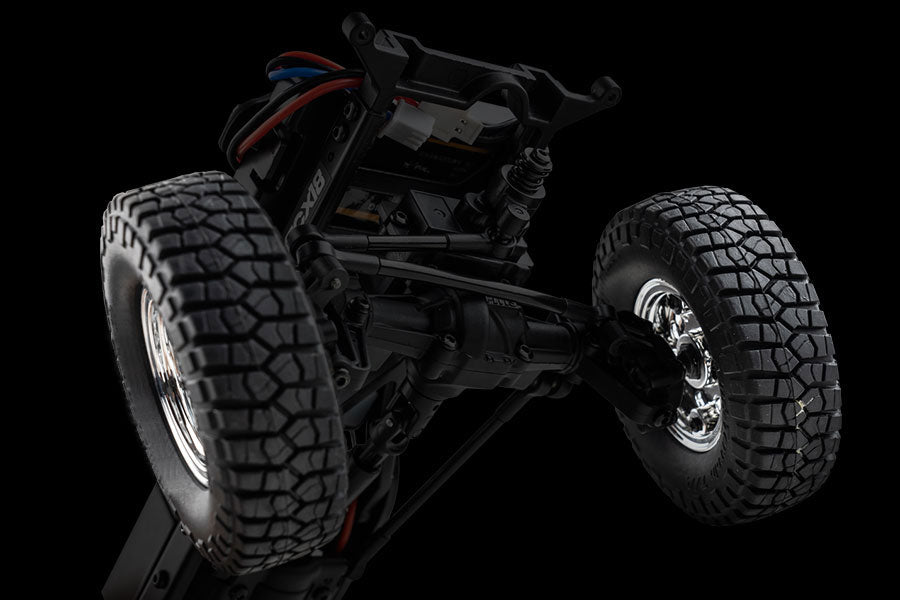
Incorporate these practical recommendations to achieve clean, professional results every time:
- Use Fine Applicator Micro-Tips: Narrow dispensing tips give you exact flow control and prevent messy overflow onto the tire sidewall.
- Wipe Spills Instantly: If adhesive seeps out, immediately wipe it away with a lint-free cloth. For dried spills, apply a minimal amount of CA debonder with a cotton swab.
- Work in a Well-Ventilated Area: Fumes from curing cyanoacrylate can irritate eyes and respiratory airways. Always assemble wheels in a well-ventilated space or near an open window.
- Perform a Final Pull Test: Once fully cured, gently pull along the entire bead circumference on both sides to verify that no dry spots or loose sections remain.
Conclusion
Gluing RC car tires properly is an essential maintenance skill for every enthusiast. By following these steps—from thorough degreasing to patient curing—you eliminate one of the most common mechanical failures in the hobby. With your tires securely bonded to the wheels, you can focus on mastering your driving lines and pushing your RC car to its limits on race day.