

Many pilots pack up their gear and head home, only to discover a dead battery or a broken servo the next time they hit the field. A disciplined post-flight routine is the secret to longevity in this hobby. It helps you catch minor issues before they become major crashes. This guide outlines a practical Post-Flight Checklist covering everything from battery safety to structural inspections, ensuring your RC plane is always ready for its next mission.
Why a Solid Post-Flight Routine Extends the Life of Your RC Plane
Real pilots walk around their planes after every flight to check for damage. Your model faces similar stresses: vibration, G-forces, and hard landings. Over time, screws loosen, foam compresses, and electronics degrade.
By performing a consistent post-flight check, you are essentially "resetting" the aircraft. It prevents the cumulative effect of wear and tear. Catching a hairline crack in a hinge today prevents a control surface failure next week. This routine transforms you from a reactive pilot, fixing broken planes, into a proactive owner, maintaining a reliable fleet.
Take Immediate Steps After Landing Your Aircraft
The moment your wheels (or belly) touch the ground, your routine begins. The first rule is safety.
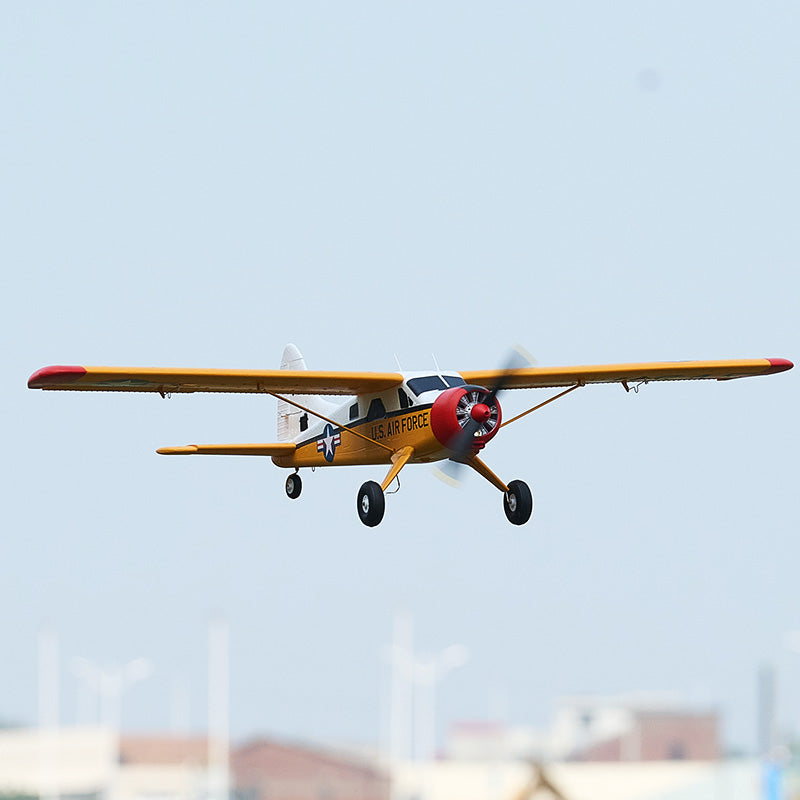
Approach the plane from the rear or side, avoiding the propeller arc. Even if the throttle is down, electronic glitches can spin the motor unexpectedly. Immediately disconnect the flight battery. Do not just turn off the transmitter first. If the radio signal is lost while the plane is powered, some fail-safes might trigger the motor. Unplugging the battery renders the plane safe to handle and transport back to the pits.
Manage LiPo Battery Storage Voltage for Safety and Longevity
Batteries are the fuel of your fleet, and they require specific care when the flying day is done.
Disconnect Immediately
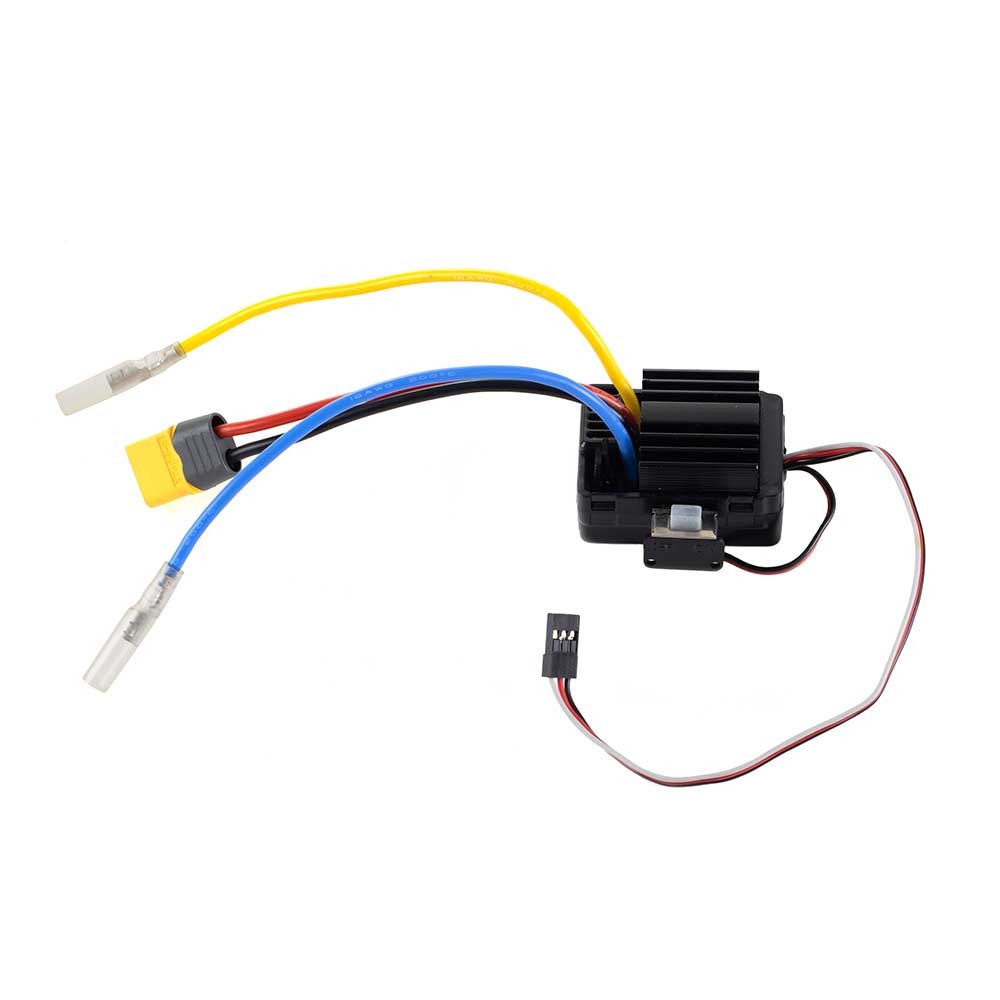
Leaving a LiPo battery plugged into the ESC (Electronic Speed Controller), even when the plane is "off," creates a slow parasitic drain. Over a few days, this can drain the battery below its critical voltage threshold, permanently damaging the cells and rendering the pack useless or dangerous.
Achieve the Perfect Storage Charge Level
When you get home, check your battery voltage. Do not store LiPo battery storage voltage at 100% or 0%. A fully charged LiPo degrades internally due to chemical stress, puffing up over time. An empty LiPo can drop too low. Use your charger's "Storage Mode" to bring each cell to approximately 3.80V–3.85V. This is the chemically stable state where the battery can sit safely for weeks or months.
Inspect the Airframe for Stress Cracks and Structural Fatigue
Foam and balsa wood are resilient, but they show signs of stress. Look closely at high-load areas.
Check the wing roots where they connect to the fuselage. This is where G-forces concentrate during loops and turns. Look for "wrinkles" in the foam, which indicate the material has compressed and weakened. Check the landing gear mounts. Hard landings often create hairline cracks in the plastic housing or the surrounding foam. If you find a crack, a little CA glue (cyanoacrylate) or foam-safe adhesive now will restore structural integrity.
Perform a Thorough RC Servo Inspection and Control Linkage Check
Your servos are the muscles moving the control surfaces. An RC servo inspection ensures they are still connected and functioning smoothly.
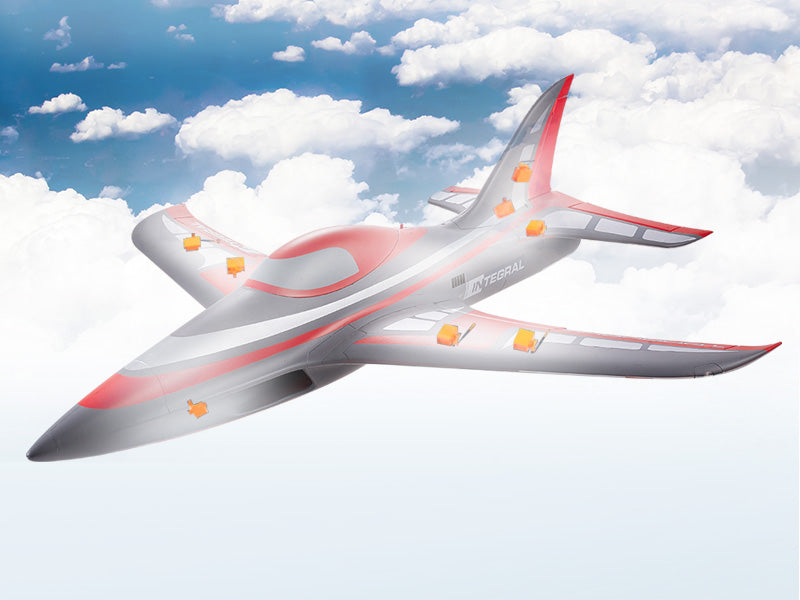
Gently move the ailerons, elevator, and rudder by hand (with the plane off) to check for binding or stripped gears. If you feel a "crunchy" resistance or skipping, a gear tooth may have broken during flight. Check the pushrods and clevises. The little clips that connect the wire to the control horn can snap open or loosen from vibration. Ensure the locking tubes or nuts are secure. A disconnected clevis in mid-air guarantees a crash.
Examine the Propeller and Motor Mount for Hidden Damage
The nose of the plane takes the brunt of the airflow and often the ground. Even a perfect landing in tall grass can stress the motor mount.
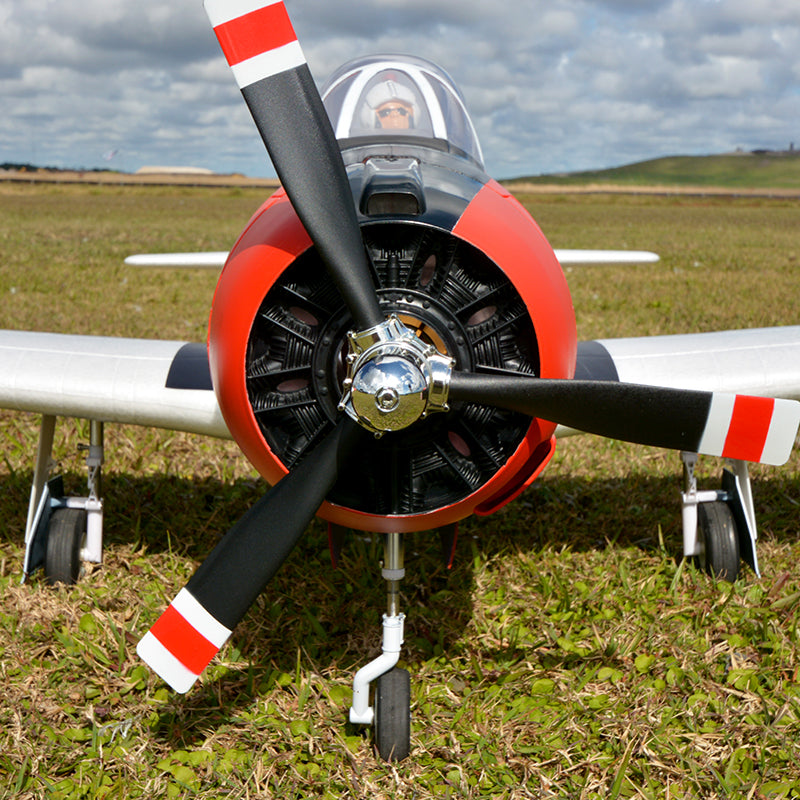
Wiggle the propeller hub gently. The motor should be rock solid. If it wobbles, the firewall or motor mount screws have loosened. Tighten them immediately with a drop of thread locker (like Blue Loctite) on metal screws. Inspect the propeller blades for nicks or stress marks near the hub. A damaged prop can disintegrate at high RPMs, causing dangerous shrapnel and severe vibration that can tear the motor off the firewall.
Clean Dirt and Debris from EPO Foam
Cleaning is not just cosmetic; it allows you to see the airframe clearly. Grass stains, mud, and bug strikes can hide cracks.
Use a damp microfiber cloth with plain water or a mild glass cleaner to wipe down the RC plane. Avoid harsh solvents like acetone or gasoline, which will melt EPO foam instantly. Pay attention to the cooling vents. Grass and seeds often get sucked into the air intakes, blocking airflow to the ESC and battery. Use tweezers or compressed air to clear these passages to prevent overheating on your next flight.
Store RC Planes Smartly to Prevent Warping
How you store your plane dictates its shape. Foam is a slow-moving liquid; it will deform under constant pressure.
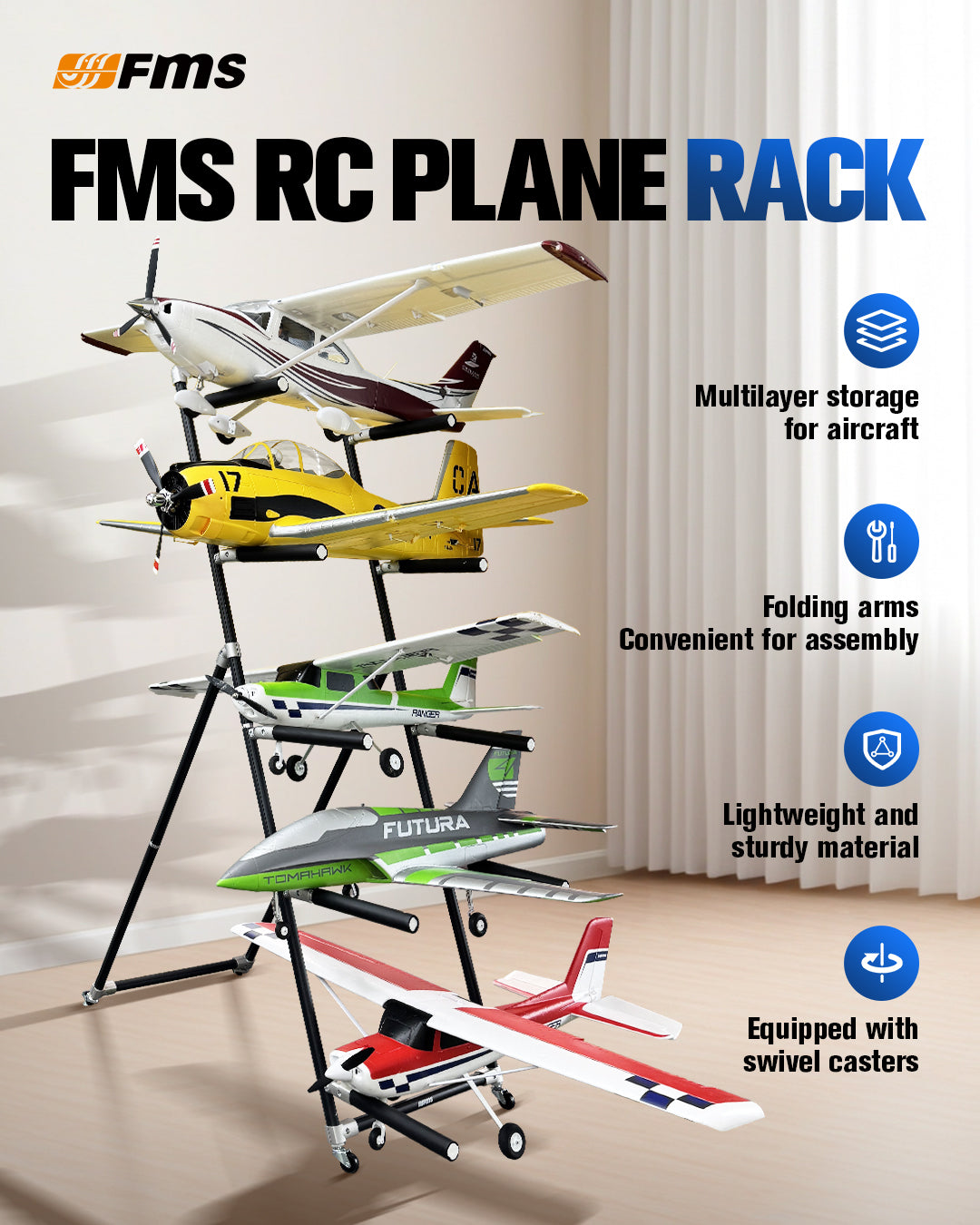
RC Plane Storage is best done by hanging the aircraft. Use a wall mount or hang it by the propeller (for light planes) or landing gear. Never leave a plane resting on its wings or tail for months, as gravity will slowly warp the foam surfaces, ruining the trim. Keep the plane in a temperature-controlled environment. Leaving it in a hot car or an uninsulated attic can cause the foam cells to expand ("gator skin") and the plastic canopies to warp.
Create a Long-Term RC Plane Maintenance Schedule
While the post-flight check is quick, some tasks should be done seasonally or after every 10-20 flights.
Create a simple log. Every few months, re-tighten every screw on the airframe. Check the hinges on control surfaces—foam hinges can tear over time and may need reinforcing with hinge tape or CA hinges. Cycle your batteries to check their internal resistance; if a pack is showing high resistance, mark it for "light duty" or retirement. This long-term RC Plane Maintenance schedule ensures your favorite bird doesn't retire early due to neglect.
FAQs
Q1: Do I need to discharge my batteries if I plan to fly tomorrow?
If you are flying within 24-48 hours, keeping them fully charged is generally acceptable. However, for any period longer than two days, put them in storage voltage to preserve their health.
Q2: What is the best glue for field repairs?
For EPO foam, thick CA glue with an activator spray (kicker) is the gold standard. It cures in seconds. For home repairs, Foam-Tac or Gorilla Glue (white) offers a more flexible bond that absorbs shock better than brittle CA.
Q3: Can I leave the wings on for storage?
Yes, if you have space. Leaving the wings attached reduces wear on the wing bolts and servo connectors. If you must remove them, inspect the servo wires for fraying each time you reassemble.
Q4: How do I know if a servo is bad?
Listen to it. A buzzing servo that is struggling to hold center or feels hot to the touch is failing. Also, if it jitters or twitches when the plane is stationary, replace it immediately. It is a cheap part that protects an expensive plane.