


Getting Started with Indoor RC Flying
Indoor RC flying opens up a whole new world of possibilities. No more worrying about wind, rain, or finding a suitable outdoor location. You can fly year-round in the comfort of a gym, a large hall, or even your own spacious living room if you're careful! But not every RC plane is cut out for indoor flight. This guide is all about helping you choose the perfect indoor aircraft to maximize your fun and minimize those unwanted encounters with walls.
Why Fly RC Indoors?
The biggest draw of indoor flying is the controlled environment. You're completely sheltered from wind, which is the bane of many outdoor RC pilots, especially those flying lightweight models. This means you can fly incredibly light and slow aircraft that would be impossible to manage outdoors. It also provides a consistent environment for practicing precise maneuvers and honing your skills without Mother Nature throwing curveballs at you. Plus, it's often more accessible – many communities have indoor flying sessions in local gyms during colder months.
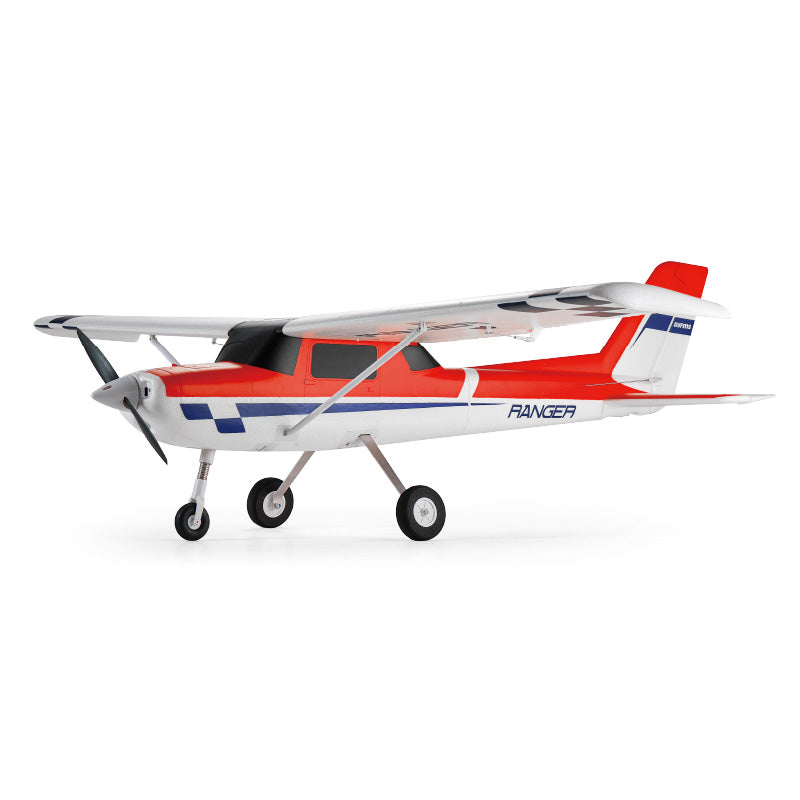
Key Characteristics of a Good Indoor RC Aircraft
When you're looking for a plane to fly indoors, certain characteristics are paramount:
- Lightweight Construction: This is number one. Lighter planes fly slower, are more forgiving, and cause less damage if (or when!) they bump into things. Foam (like EPP or Depron) is king here.
- Slow Flight Capability: You need a plane that can comfortably fly at walking pace or slower. Large wing areas relative to weight (low wing loading) contribute to this.
- Maneuverability at Slow Speeds: Good control authority even when flying slowly is crucial for navigating tight indoor spaces.
- Durability: Let's be honest, you're probably going to have a few bumps. A plane that can take a bit of minor abuse and is easy to repair is a huge plus.
- Small Size/Wingspan: While not always a strict rule (some larger, super-light indoor models exist), generally, smaller planes are easier to manage in confined spaces.
Popular Types of Indoor RC Aircraft
There's a fantastic variety of aircraft designed specifically for or well-suited to indoor flying.
1. Ultra-Micro (UMX) Planes:
These are often the go-to for many indoor flyers. UMX planes are tiny, incredibly lightweight, and typically come ready-to-fly (RTF) or bind-n-fly (BNF), meaning they include all the electronics. They can range from simple trainers to surprisingly capable aerobatic models and even scale replicas. Their small size and low weight make them ideal for smaller gyms or even large indoor rooms at home. Many feature AS3X or SAFE technology for added stability, which is great for less experienced pilots.
2. Indoor Aerobatic / 3D Foamies:
For more experienced pilots looking to push the limits, purpose-built indoor 3D foamies are amazing. These are often made from EPP foam for extreme durability and are designed for incredible maneuverability, capable of hovering, harriers, and all sorts of mind-bending aerobatics. They have huge control surfaces and a very high power-to-weight ratio. These usually require more space, like a full-size basketball gym.
3. Slow Flyers and Park Flyers (Specific Types):
Some smaller, lighter "park flyers" can also be excellent indoor candidates, especially those with high-lift wing designs. Think of models designed for slow, gentle flight. The key is to ensure they genuinely have very low wing loading and can fly predictably at very slow speeds. Not all park flyers are suitable for indoors, so choose carefully.
4. Indoor Helicopters and Quadcopters (Drones):
While this guide focuses on planes, it's worth mentioning that small, lightweight RC helicopters and micro/nano quadcopters are extremely popular for indoor flying. They offer a different flight experience but are perfectly suited for confined spaces and can be a lot of fun for practicing orientation and control.

Consider Your Indoor Flying Space
The size and nature of your indoor venue will heavily influence your aircraft choice.
- Large Living Room / Basement: This calls for the smallest and lightest UMX planes or very small indoor helicopters/quadcopters. You need something that can turn on a dime and fly at a crawl.
- School Gymnasium (Single Court): This opens up possibilities for slightly larger UMX planes, some smaller 3D foamies (if you're skilled), and more capable micro helis/drones. You have more room to maneuver, but still need to be mindful of speed.
- Large Sports Hall / Double Gymnasium: This is prime territory for most dedicated indoor models, including larger indoor 3D foamies and more ambitious UMX sport planes. You have the space to really open them up a bit more and perform more expansive maneuvers.
Always be aware of obstacles like basketball hoops, lighting fixtures, and, of course, walls and ceilings!
Power Systems: Brushed vs. Brushless, Battery Size
For indoor models, power systems are usually quite small.
- Brushed Motors: Many ultra-micro planes use small, inexpensive brushed motors. They are simple and lightweight, perfectly adequate for the low power needs of these tiny aircraft.
- Brushless Motors: More powerful indoor models, especially 3D foamies, will use small brushless outrunner motors. These offer better efficiency and power-to-weight ratios but add a little cost and complexity (requiring an ESC).
- Batteries: Indoor planes typically use very small, single-cell (1S) or sometimes two-cell (2S) LiPo batteries, often in the range of 100mAh to 500mAh. Flight times might be around 5-10 minutes, so having multiple charged batteries is essential for a good flying session.
Radio System and Electronics
Most indoor BNF aircraft will be compatible with popular radio transmitter brands like Spektrum, Futaba, FrSky, etc., using their respective micro receivers. RTF (Ready-To-Fly) models come with their own transmitter, which is great for beginners but might be less versatile if you have multiple planes.
The "all-in-one" brick-style receiver/ESC/servo units are common in UMX planes, keeping weight and complexity down. For scratch-built or kit-built indoor foamies, you'll be selecting individual micro servos, a micro receiver, and a suitable ESC.
Building vs. Buying: RTF, BNF, PNF, ARF, Kits
- RTF (Ready-To-Fly): Everything is included – plane, transmitter, battery, charger. Great for absolute beginners.
- BNF (Bind-N-Fly): Comes fully assembled with all electronics except the transmitter. You bind it to your existing compatible transmitter. Very popular.
- PNF (Plug-N-Fly) / ARF (Almost-Ready-to-Fly) / Kits: These require more assembly, and you'll typically need to supply your own motor, ESC, servos, receiver, battery, and transmitter. This route offers more customization and is popular for specific indoor aerobatic models or for those who enjoy building. For most casual indoor flying, BNF is a sweet spot.
Tips for Your First Indoor Flights
If you're new to indoor flying:
- Start Simple: Choose a stable, slow-flying UMX trainer.
- Space is Your Friend: Fly in the largest, most open indoor space you can find.
- Slow Down: Everything happens faster indoors. Fly deliberately and make small, smooth control inputs.
- Keep it High (Relatively): Try to maintain a comfortable altitude to give yourself more time to react, but be mindful of the ceiling!
- Practice on a Simulator: If you have access to an RC flight simulator, practicing indoor scenarios can be incredibly helpful.

Where to Fly Indoors
Finding a good spot can be key. Many RC clubs rent out school gyms or community halls during the winter for indoor flying sessions. This is often the best option, providing a large, safe space and the company of fellow enthusiasts. You might be able to rent time if you have a group.
If you have a very large, open room (like a finished basement or a two-story great room) and a very small, slow UMX plane, it's possible. But be prepared for potential mishaps with furniture and decor!
Take Your Flying Skills Indoors Year-Round
Indoor RC flying is a wonderfully accessible and rewarding facet of the RC hobby. By choosing an aircraft that's lightweight, slow-flying, and appropriately sized for your available space, you can enjoy hours of fun, practice your skills, and keep your passion for flight alive no matter the season or weather. From simple UMX trainers to agile 3D foamies, there's an indoor aircraft out there to suit almost any pilot's taste and skill level.