The buzz around RC planes seems to be growing, with increasingly more people discovering the joy of flight without ever having to leave the ground. Yet, for newcomers, the first big choice is usually size. Why is it such a big choice? A plane that is too big can be daunting and expensive to repair, while one that is too small can be frustratingly unstable even in gentle breezes. Selecting the right scale sets you on the road to success and enjoyment. This tutorial will compare standard RC plane sizes and help you make an educated choice based on your skill level and where you will be flying.
Common RC Plane Scales
When we use the word "scale," it generally refers to how much smaller RC Plane model is compared to the real aircraft it might represent. But in the novice context, it is easier to think in terms of broad size categories by wingspan and weight:
- Micro: These are the smallest, often with wingspans under 20 inches (around 50cm). They are incredibly lightweight, usually made of foam, and sometimes simple enough to fly right out of the box. Think tiny park flyers or indoor models.
- Mini: Slightly larger than micros, mini planes typically have wingspans from 20 to 30 inches (50-75cm). They offer a bit more presence in the air than micros, but are still very manageable and often suitable for calm outdoor conditions or larger indoor spaces like gyms.
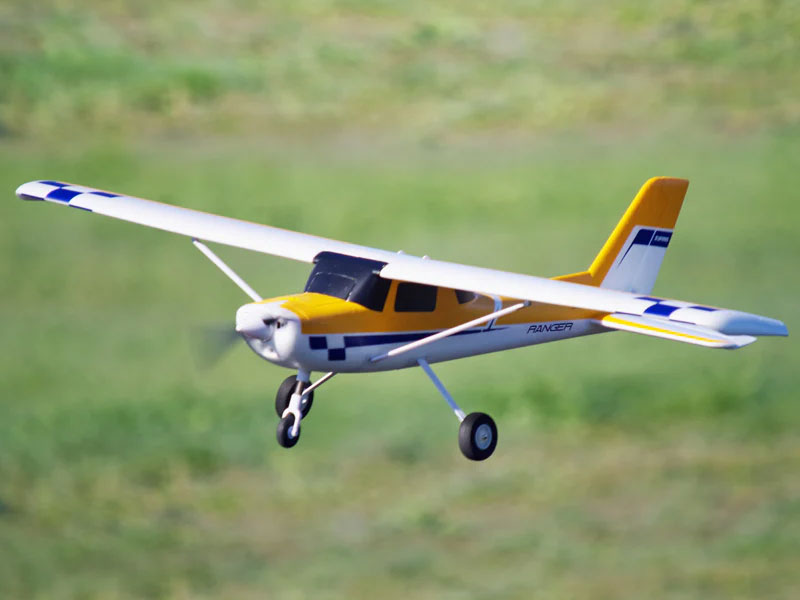
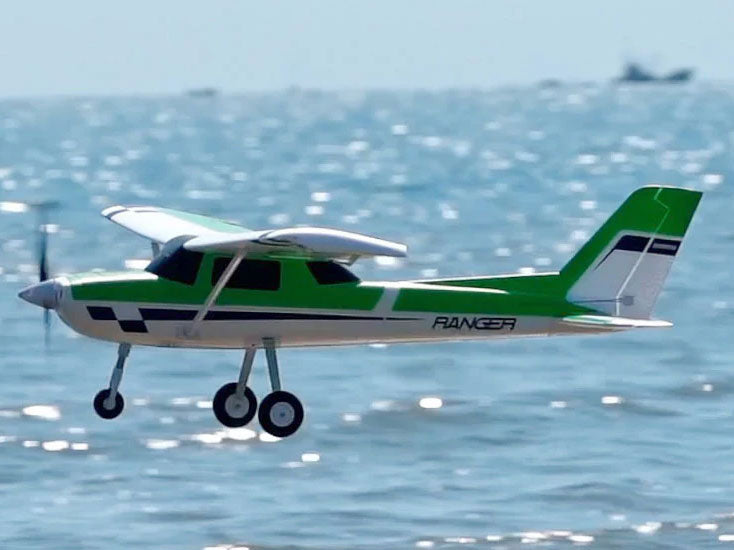
- Park Flyer: This is a very popular category, generally spanning 30 to 50 inches (75-125cm). These planes strike a good balance between size, stability, and performance. They're large enough to handle light breezes but small enough to fly in local parks or schoolyards (where permitted). Many excellent trainers fall into this category.
- Large Scale: This large-scale plane category includes anything significantly larger than a park flyer, often with wingspans exceeding 80-90 inches (200 cm+). These models can be highly detailed, powerful, and capable, but require more space, skill, and investment.
Factors Influencing Scale Selection for Beginners
1. Flight Ease and Stability
Generally, larger planes tend to be more stable and handle wind better than smaller ones, simply due to their greater mass and wing area. They fly more "gracefully" and react less frantically to control inputs or gusts of wind. However, their speed can be higher, and they require more space to maneuver and land. Smaller planes (micro/mini) are often twitchier and more sensitive to wind but fly slower and are less intimidating, especially for indoor flight where wind isn't a factor. Many beginner-specific planes in various sizes incorporate helpful tech like SAFE (Sensor Assisted Flight Envelope) to provide self-leveling and stability assistance.
2. Cost Considerations
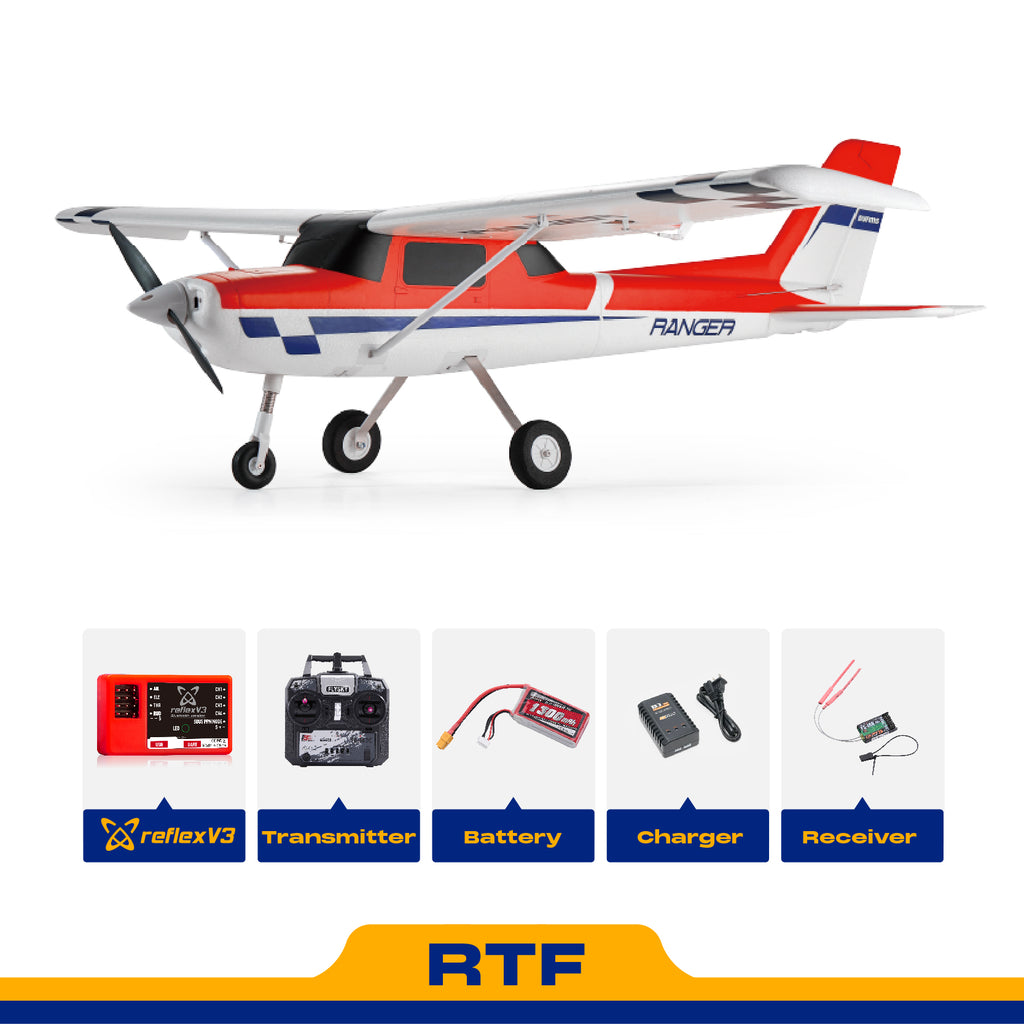
Size directly impacts cost. Micro and mini planes are typically the most affordable, with Ready-To-Fly (RTF) packages often available for 100−200. Park flyers usually range from $150 to $300+ for an RTF setup. Large-scale models represent a significant jump in price, easily costing several hundred to thousands of dollars just for the airframe, requiring separate purchases for radio gear, motors, batteries, etc. Remember ongoing costs too: larger batteries are more expensive, and repairs on bigger, more complex planes cost more. Foam planes, common in smaller scales and trainers, are generally easier and cheaper to repair than traditional balsa wood construction.
3. Environment and Space Requirements
Where you plan to fly is a huge factor. Micros and some mini planes can be flown indoors in gyms or even large living rooms. Outdoors, they need very calm conditions and smaller fields. Park flyers live up to their name—they are often suitable for local parks, soccer fields, or schoolyards, provided you have enough open space and local regulations allow it. Large-scale planes absolutely require significant open space, typically found only at designated RC flying club fields (often sanctioned by organizations like the AMA - Academy of Model Aeronautics). Flying a large, fast plane in a small park is unsafe and often prohibited.
Detailed Comparison of RC Plane Scales
Micro and Mini Scales
The major advantage here for novice pilots is the minimal intimidation factor and cost. They're great to use to hone basic control within a confined area (indoors) or on perfect, quiet days outdoors. They are usually low-impact as far as crash damage because they're so light. However, their lightness makes them highly susceptible to wind, and they get blown about or swept off. They are also susceptible to visibility problems; they are instantly small dots on the horizon outside. They're excellent for honing reflexes but might not give the outdoor solidity some new people are looking for.
Park Flyer Scale
This tends to be a sweet spot for new pilots who want to fly outside. Trainers in this category are a great compromise between stability and capability. They are large enough to be seen easily at a reasonable distance and can handle light breezes much better than micros. They are still slow enough to manage and will often be able to take off and land in short grass. They are versatile enough to be flown from numerous general flying locations. The cost is affordable, and spares are generally easily obtained.
Large Scale Models
While impressive with their realism, flight presence, and potential for advanced features (like retractable landing gear or flaps), large-scale planes are generally not recommended for raw beginners. Their complexity in setup and maintenance is higher. Transporting and storing them requires more space. The investment is significant, making crashes much more costly. They need dedicated flying fields due to their speed and space requirements. The skills needed to safely operate and land these larger models are best developed on smaller, more forgiving aircraft first.
Practical Tips for Choosing the Right Scale
Assess Skill Level
Be honest with yourself. Have you ever flown anything RC before? Do you have good hand-eye coordination? Starting with a flight simulator program (like RealFlight or Phoenix R/C) is an invaluable way to gauge your aptitude and learn basic controls without risking a real plane. If you're completely new and a bit nervous, a micro or a park flyer with stabilization technology might be best. Joining a local RC club often provides access to instructors who can guide you.
Budget Planning
Decide on your total initial budget, including the plane, transmitter (if not included in an RTF package), batteries, and charger. RTF packages offer the best value for getting started quickly. Factor in the cost of at least one or two extra batteries—flight times are usually 5-15 minutes per charge, and you'll want more flying time! Don't forget potential repair costs; having some foam-safe CA glue and tape on hand is always wise.
Test Before Buying
The best way to know what feels right is to try it. As mentioned, simulators are excellent. Visiting a local AMA-sanctioned RC flying club is highly recommended. Members are usually passionate about the hobby and happy to offer advice. Many clubs have trainer aircraft and instructors available for introductory flights, allowing you to get a feel for different sizes and types of planes before you commit to buying. Don't hesitate to ask experienced pilots for their recommendations based on your situation.
Your First RC Plane Size: Making the Right Choice
Choosing the right RC plane scale as a beginner boils down to balancing flight characteristics, cost, and your available flying space. Micros offer low-cost indoor fun, park flyers provide a versatile outdoor learning platform (often the best starting point), while large-scale planes are best left for later. Assess your skills honestly, consider your budget, check out simulators, and connect with local clubs. Getting hands-on experience or advice is invaluable. What are your thoughts or questions about picking your first plane size? Share them below!