

The world of radio-controlled vehicles is vast, but nothing commands attention quite like a large-scale RC car. These behemoths of the hobby offer a driving experience that is profoundly different from their smaller counterparts. But what are the real performance differences that come with this increase in size? This guide will explore how scale impacts everything from handling and durability to power and practicality, giving you a clear picture of what to expect when you step up to the world of large RC cars.
What Is a Large-Scale RC Car?
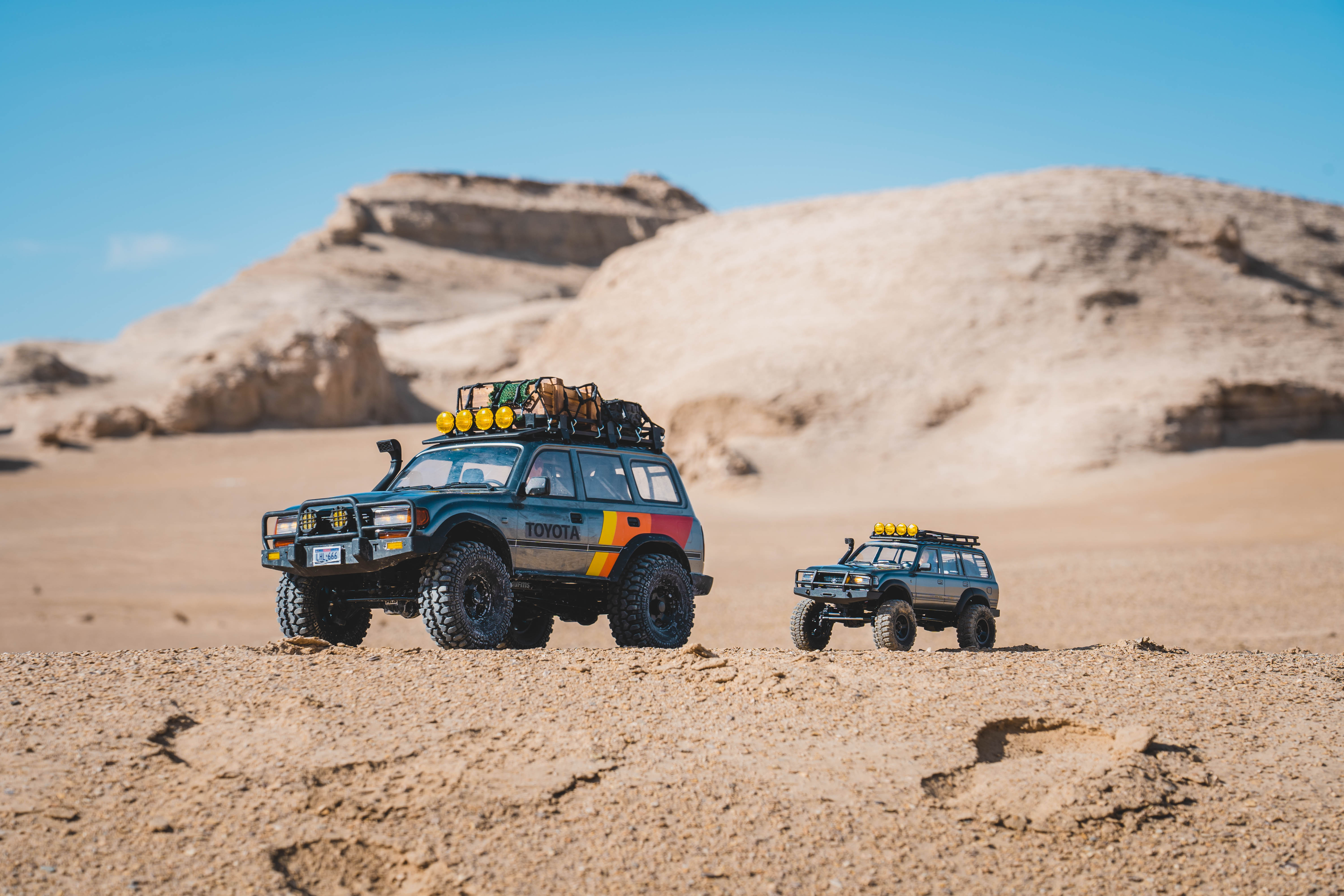
Before comparing performance, it’s important to understand what "large scale" truly means in the RC world. The scale of an rc car is represented as a fraction that compares it to the size of a full-size vehicle. The most common "standard" size in the hobby is the 1/10 scale.
Large scale RC trucks and cars are generally classified as anything bigger than this baseline. This includes the popular 1/8 scale, the increasingly common 1/7 and 1/6 scales, and the colossal 1/5 scale. A 1/5 scale model is one-fifth the size of its real-world counterpart, resulting in a vehicle that can be over three feet long and weigh more than 40 pounds.
Appreciate the Unmistakable Advantage of Sheer Size
The most immediate and striking difference in a large remote control monster truck is its incredible presence. The sheer size and weight give it a commanding feel that smaller models simply cannot replicate. This substantial mass makes the vehicle look and feel more realistic as it moves over terrain, with suspension that compresses and rebounds in a way that mimics a full-size truck. This visual impact and authentic driving feel are some of the key benefits of large-scale RC cars.
How Bigger Conquer Tougher Terrain
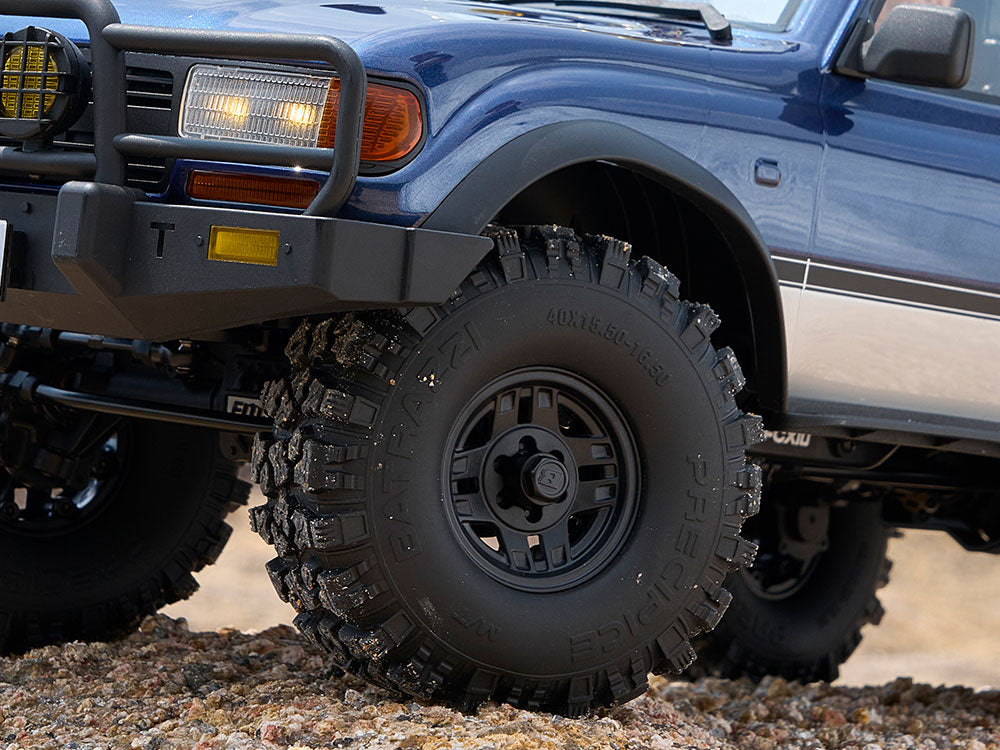
One of the greatest performance advantages of large RC trucks is their off-road capability. Their increased size directly translates to a more dominant performance in difficult environments. Greater ground clearance allows them to drive over obstacles that would stop a 1/10 scale truck in its tracks.
The larger tires, with their bigger tread blocks and wider contact patch, provide superior traction on loose surfaces like dirt, grass, and gravel. Finally, the vehicle's heavier weight helps keep the tires planted on the ground, preventing it from being easily unsettled by rough terrain. This combination allows them to master challenging landscapes with an authority that is thrilling to watch.
Understand Large-Scale RC Car Handling
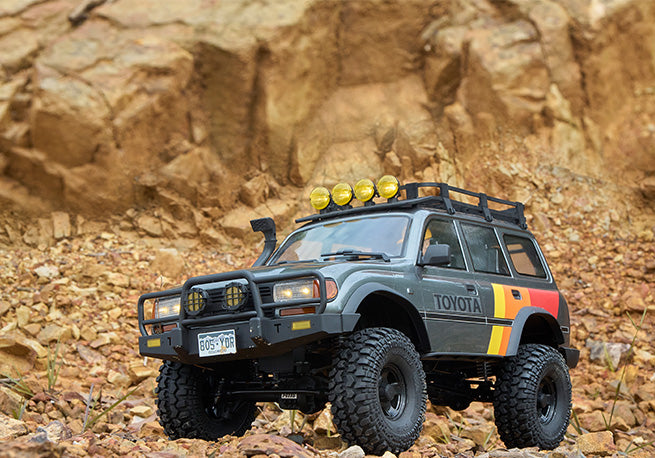
Size has a profound effect on how a vehicle drives. While smaller RCs can feel nimble and sometimes "twitchy," the significant mass of a large-scale RC car gives it a more stable and predictable handling characteristic. The increased weight and longer wheelbase make it feel more planted and less prone to flipping over during high-speed turns.
This momentum, however, also means that a large-scale RC car handling requires more forethought. It takes longer to slow down and has a wider turning radius. You learn to drive more smoothly, anticipating turns and managing the vehicle's weight, which many enthusiasts find to be a more engaging and realistic driving experience.
Acknowledge That More Size Demands More Power
Moving a heavy, large-scale chassis requires a serious amount of power. These machines are defined by their high-output motor systems, which are a significant step up from what you'd find in a standard RC car.
Most electric large-scale RC cars use massive brushless motors paired with high-voltage battery systems (often 6S, 8S, or even higher LiPo configurations). These powerful systems deliver the immense torque needed for breathtaking acceleration and incredible top speeds.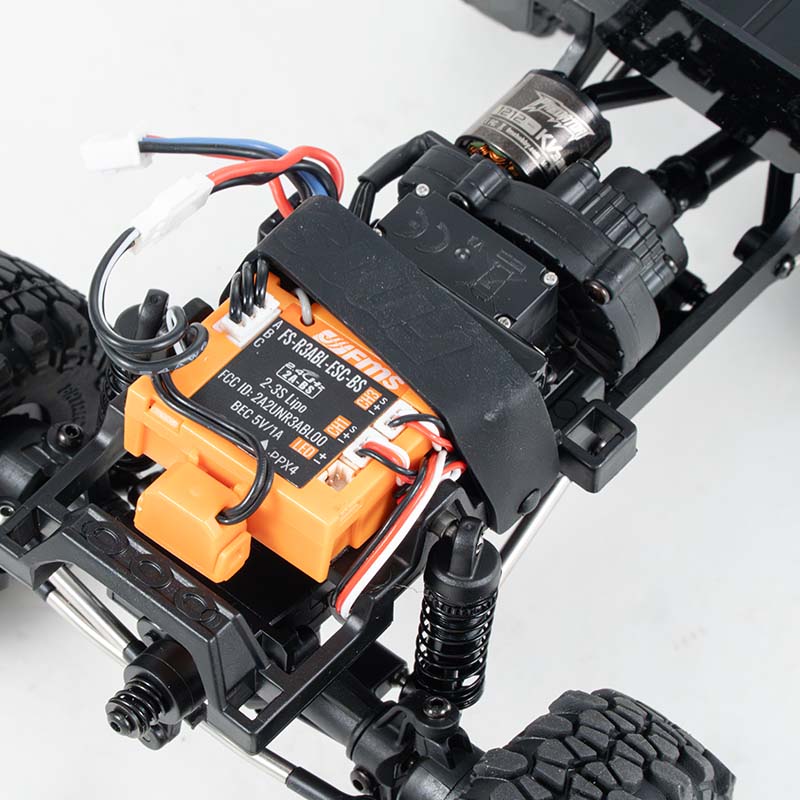
Are Bigger RC Cars Built to Be More Durable?
With greater weight and power comes the need for enhanced durability. The components of a large-scale RC car must be engineered to withstand immense forces that would shatter the parts of a smaller vehicle.
This is why you will find the use of oversized and reinforced components throughout their construction. Key parts are substantially upgraded:
- Chassis: Thicker, machined aluminum chassis plates instead of plastic tubs.
- Drivetrain: Hardened steel gears, driveshafts, and differentials are standard.
- Suspension: Robust, thick-molded composite or aluminum suspension arms and massive oil-filled shocks.
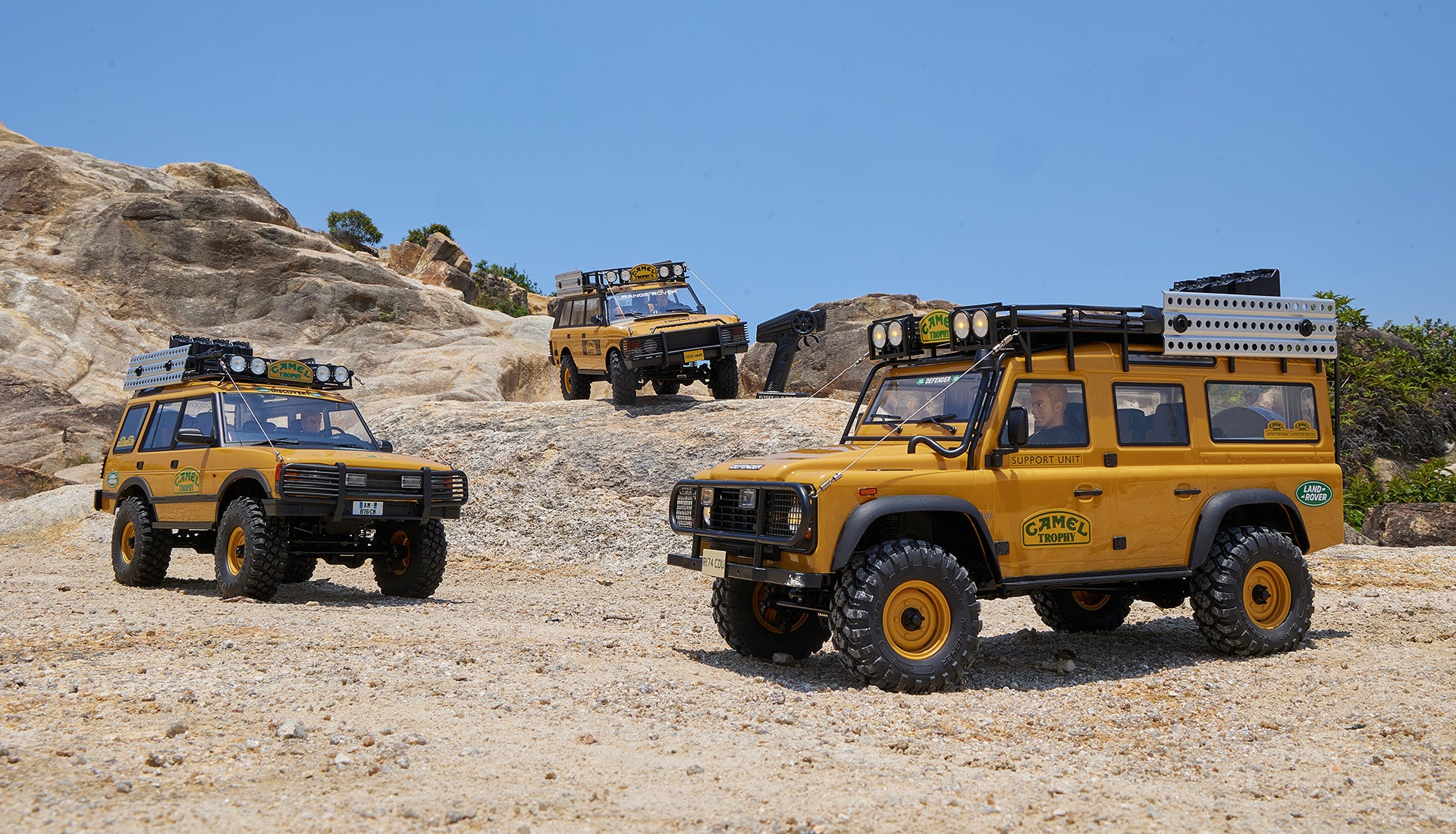
This heavy-duty construction is absolutely necessary to handle the stress of big-air jumps and high-speed driving. Models like the FMS FCX10 Land Rover exemplify this robust engineering with their detailed, heavy-duty construction.
Consider the Practical Side of Owning a Large RC Truck
While the performance benefits are clear, owning a large RC truck comes with some practical considerations that prospective buyers need to be aware of.
First and foremost is the need for space. These vehicles are too large and fast for a small backyard. You need access to a large, open area like a park, a BMX track, or a dedicated RC facility to truly enjoy them. Storage is another factor; a 1/5 scale truck will not fit on a small shelf and requires a significant amount of space in a garage or workshop.
Know What to Expect for Maintenance and Cost
The investment in a large-scale RC goes beyond the initial purchase price. The long-term ownership aspects are an important part of the decision.
The larger, more specialized parts are generally more expensive to replace than their /10-scale counterparts. Maintenance routines can also be more involved. These factors are important to consider when budgeting for this segment of the hobby.
Conclusion
There is no doubt about the performance disparity of a large-scale RC car. They give a much better and realistic driving experience, better off-road performance, and a level of ruggedness designed to withstand the immense power they produce. Although they demand a larger space, investment, and level of complexity in terms of maintenance, the level of excitement and realism they generate is simply incomparable. For a serious RC car aficionado seeking top performance and presence, only a large-scale car will do.
FAQ
Are large-scale RC cars good for beginners?
Usually, no. Because of their high speeds, heavy weight, and strong motors, it can be very hard for a beginner to control one safely. Moreover, they require complicated maintenance procedures. It is always recommended that a beginner begin with a smaller and more controllable 1/10 scale model.
How fast can a large remote control monster truck go?
Many high-speed electric large RC trucks with 8S LiPo batteries can reach speeds above 50-60 mph directly out of the box. Some large on-road RC cars can reach speeds of up to 80-100 mph with proper gear ratios.
Do the benefits of large-scale RC cars justify their higher price?
For most hobbyists, yes. The added longevity, capabilities, and just the fun factor of handling a car so big and so powerful make it well worth the cost. This is an entirely different and much more engaging experience than what is offered with smaller-scale RC cars.