
Nothing breaks the immersion of a beautiful flight quite like the glossy, plastic sheen of a factory-fresh foam model. While modern manufacturing has improved the shape of models, the finish often leaves much to be desired. Transforming a sterile foam airframe into a battle-hardened warbird is easier than most pilots think. With a few simple techniques and the right materials, you can elevate the realism of your RC plane significantly. This guide explores the essential steps of Scale RC Plane Detailing and weathering to help you turn your foam flyer into a museum-quality masterpiece.
Prepare the Airframe Surface
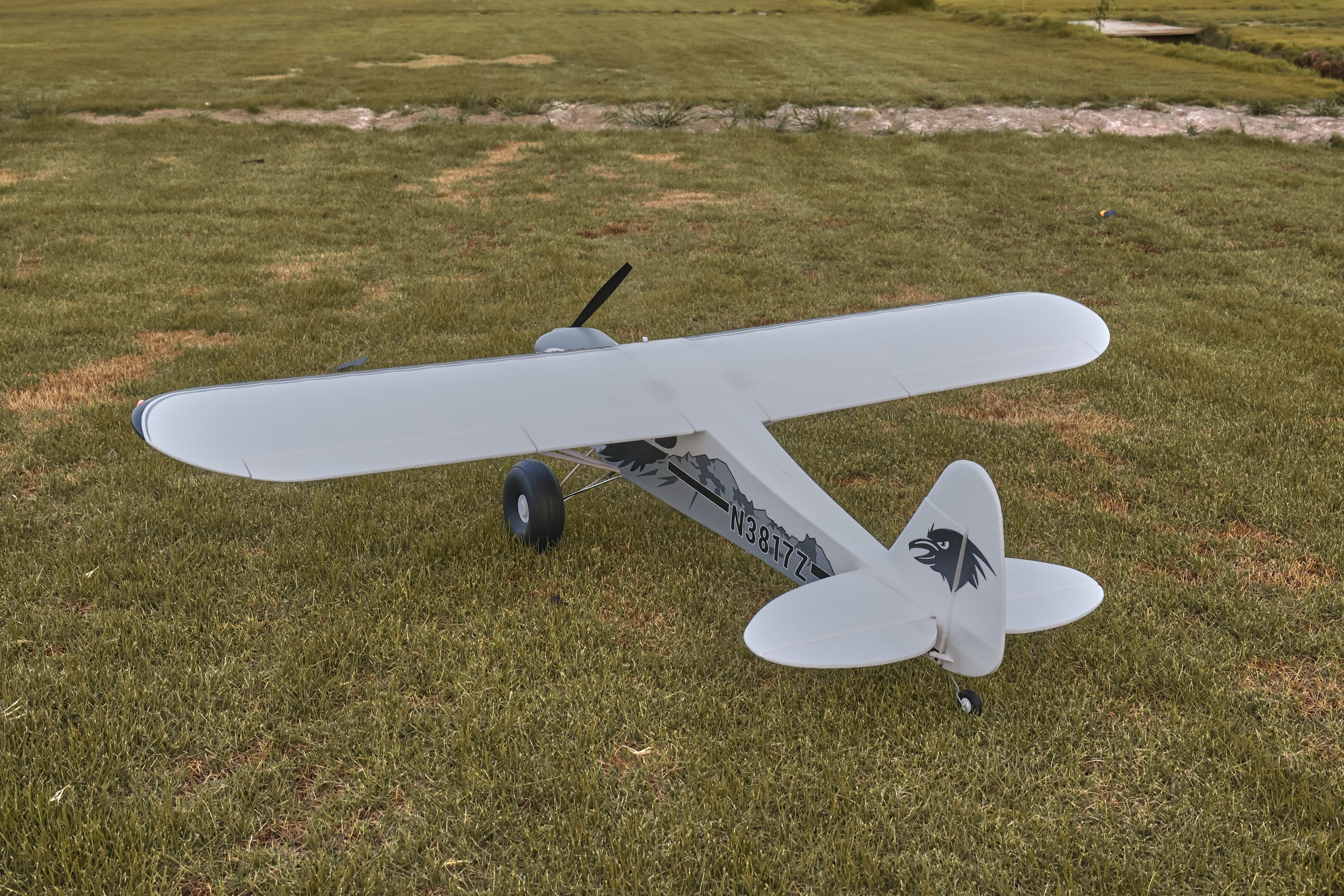
Factory foam often possesses an unnatural shine that destroys the illusion of scale. The primary enemy of realism is the "gator skin" texture found on EPO and EPS foam models. Before applying any paint or weathering, you must dull this surface. Lightly sanding the airframe with fine-grit sandpaper removes the gloss and creates a better bonding surface for paint.
Crucially, sanding removes invisible mold release agents left over from the manufacturing process. If left on the foam, these oils will prevent your weathering materials from sticking properly. Once sanded, apply a light coat of matte clear spray. A flat finish immediately makes the model look heavier and more substantial, moving it away from the "toy" aesthetic.
Select Essential Customization Tools
You do not need an expensive studio to start Model Aircraft Customization. Most required tools are likely already in your home or available at a local craft store. The most important rule is to choose materials compatible with foam, as harsh solvents can melt your airframe.
Water-based acrylic paints are the gold standard for foam models. Brands like Tamiya or Vallejo offer excellent coverage without damaging the delicate foam structure. Avoid solvent-based enamels unless you have tested them on a scrap piece first. For application, gather a variety of brushes. A torn piece of kitchen sponge creates excellent chipping effects, while a soft makeup brush works wonders for applying weathering powders. Keep a supply of paper towels and cotton swabs handy for wiping away excess washes to control the intensity of the grime.
Apply Panel Line Accents
Most foam models come with molded panel lines, but they are often the same color as the rest of the wing, making them invisible from a distance. Highlighting these structural details is one of the most impactful steps in Scale RC Plane Detailing.
A Panel line accent for RC planes is essentially a thinned paint that runs into the recesses of the model. For lighter aircraft, use a dark grey wash rather than pure black to avoid a cartoonish look. For darker camouflage schemes, a black or dark brown wash works best. Apply the wash liberally over the grooves and let it dry slightly. Then, take a damp paper towel and wipe perpendicular to the airflow. The paper towel removes the wash from the surface but leaves it trapped inside the groove, mimicking the shadow gaps between metal panels on a full-size aircraft.
Simulate Paint Chips and Wear
Warbirds and bush planes rarely maintain a perfect paint job. Maintenance crews walk on wings, and high-speed air strips paint from the leading edges. Replicating this damage creates a visual history for your diy rc airplane.
A simple silver artist's pencil is an effective tool for detailing. Tapping the pencil lightly on raised rivets or panel edges creates the look of bare aluminum exposed by friction. For larger areas of wear, use the sponge technique. Dip a torn piece of sponge into silver paint, then dab most of it off onto a paper towel until it is almost dry. Lightly tap the sponge along the leading edges of the wings, the propeller blades, and the cockpit entry areas. These random, organic patterns look far more realistic than brush strokes.
Add Exhaust Stains and Gun Smoke
Combustion engines leave a mess. Whether it is a Spitfire or a modern jet, exhaust stains tell a story of power and usage. RC Plane Weathering is incomplete without these trails.
Tamiya Weathering Masters or shaved pastel chalks are excellent for creating soot. Start with a dark grey or black near the exhaust stack, and fade it into a lighter brown or grey as it trails back across the fuselage. Apply the powder with a dry brush or foam applicator. Building the effect in layers prevents you from overdoing it. If you own an airbrush, you can achieve even smoother gradients by spraying highly thinned black and brown paints behind the engine cowls.
Install Cockpits and External Sensors
Small external details add a surprising amount of realism to the silhouette of an rc plane. Manufacturers often omit items like pitot tubes and antennas to prevent shipping damage, but they are easy to fabricate.
Guitar strings make excellent whip antennas because they are flexible and withstand rough landings. Glue these into place carefully along the fuselage. While working on details, consider RC plane cockpit kit upgrades. Factory models often come with an empty canopy or a "ghost pilot." Painting the interior green or zinc chromate and adding a detailed pilot figure adds significant depth to the canopy area, which is often a focal point when the plane is on the ground.
Seal the Weathering Effects
After applying your Panel line accent for RC planes and pastel chalks, you must protect your work. Without a sealer, moisture from grass or oil from your hands will ruin the finish.
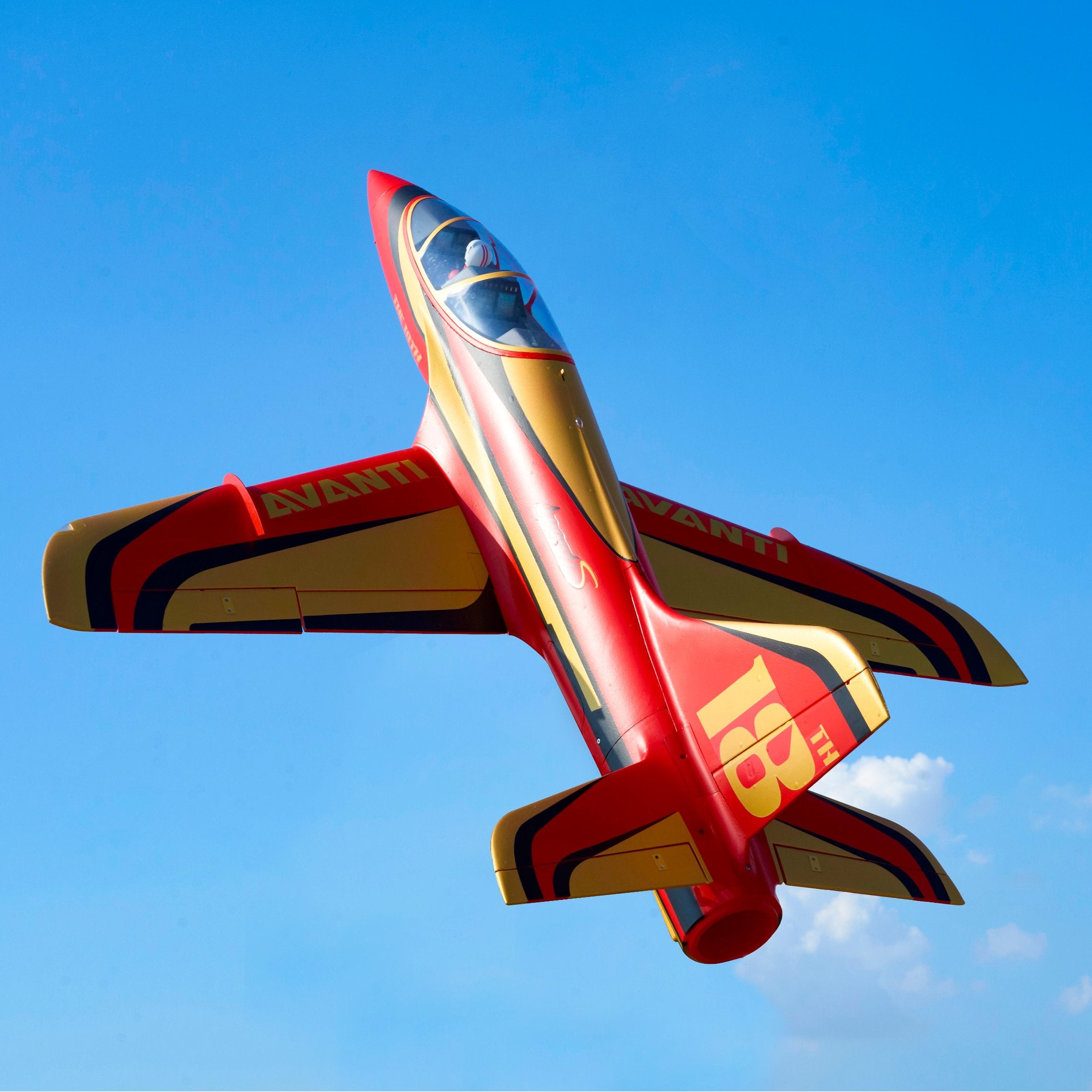
Water-based polyacrylic varnishes are popular because they do not yellow over time and are safe for foam. Most military aircraft look best with a matte or flat clear coat to maintain that rugged look, while civilian aircraft might require a satin finish. Apply the top coat in thin, light mists. Heavy coats can pool and turn milky white as they dry. Ensure you mask off the canopy before spraying, as the clear coat will ruin the transparency of the "glass."
Check Balance Before Flight
Customization adds weight. Paint, clear coats, RC plane cockpit kit upgrades, and 3D printed parts all contribute to the final wing loading. Before you head to the field, re-checking the Center of Gravity (CG) is mandatory.
The weight of paint on the tail section often makes the plane tail-heavy, which is dangerous for flight. You may need to shift the battery forward or add nose weight to compensate. Ensure that no glued antennas interfere with the movement of control surfaces. Once balanced, your detailed model is ready to turn heads at the park.
FAQs
Will painting and weathering affect the flight performance of my RC plane?
Generally, a light coat of paint and weathering powders adds negligible weight. However, heavy layers of filler or thick clear coats can increase wing loading. Always re-check your Center of Gravity (CG) after finishing your detailing work to ensure the aircraft remains balanced.
What is the best way to remove a panel line accent if I apply too much?
If you are using an acrylic-based wash, a damp paper towel or cotton swab works well while it is still wet. If it has dried, a small amount of window cleaner or rubbing alcohol (tested on a hidden area first) can help lift the excess without damaging the base foam.
Can I install cockpit upgrades on a glued-together fuselage?
Yes, but it requires care. You may need to cut the canopy off with a sharp hobby knife. Once the canopy is removed, you can paint the interior, install the pilot and instrument panel, and then glue the canopy back in place using a foam-safe adhesive.
Do I need an airbrush for weathering?
No. While an airbrush gives professional results for exhaust stains, you can achieve 90% of the look using dry brushing, sponges, and weathering powders. Many experts prefer hand-brushing for specific tasks like chipping and oil streaks.